


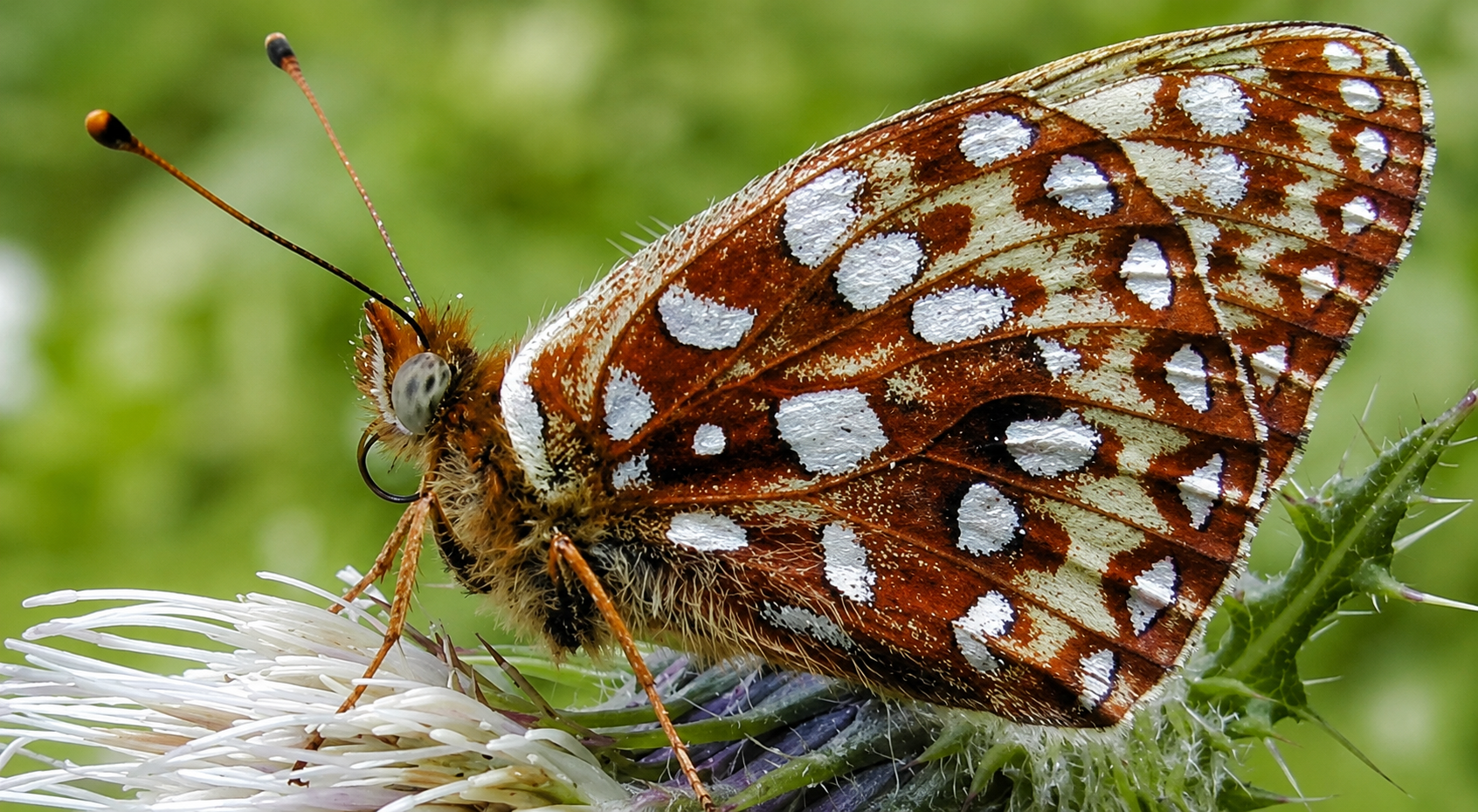
A quiet conservation effort unfolding along Oregon’s coastline is giving one of the state’s rarest native butterflies another opportunity to reclaim a place in the landscape it once occupied in far greater numbers. This summer, more than 1,300 Oregon silverspot butterfly caterpillars were carefully released into protected coastal habitat, marking another year in a decades-long recovery initiative aimed at strengthening the species’ remaining wild populations.
While the release itself lasted only a short time, it represents months of planning, scientific research, habitat management and collaboration among conservation organizations committed to preserving one of Oregon’s most recognizable threatened insects. For many Oregonians, the project serves as a reminder that protecting wildlife often begins with the smallest members of an ecosystem.
The Oregon silverspot butterfly was once a familiar sight throughout coastal grasslands stretching from northern California to Washington. Over time, however, that range steadily declined as native prairie habitat disappeared or became fragmented. Today, only a handful of naturally occurring populations remain along portions of the Oregon Coast, making the butterfly one of the state’s most closely monitored species.
Federal wildlife officials designated the Oregon silverspot as a threatened species more than four decades ago after surveys documented significant population declines. Since then, biologists have worked to understand not only why the butterfly disappeared from much of its historic range, but also what would be required to rebuild healthy, self-sustaining populations.
Unlike many butterfly species that can survive in a variety of environments, the Oregon silverspot depends on a remarkably specific habitat. During its caterpillar stage, it feeds almost exclusively on the native early blue violet, a wildflower found in open coastal prairie. Without sufficient patches of this plant, young caterpillars cannot complete their development.
That specialized relationship makes habitat restoration just as important as captive breeding. Simply releasing butterflies into the wild would accomplish little if the surrounding landscape no longer supported the plants and environmental conditions they require.
Over the years, Oregon’s coastal prairies have changed considerably. Natural grasslands that once covered large stretches of the coastline have gradually given way to encroaching forests, invasive plant species and expanding development. Decades of fire suppression have also altered many prairie ecosystems, allowing shrubs and trees to replace the open meadows where native wildflowers once flourished.
The combined effect has reduced the amount of suitable habitat available not only for the Oregon silverspot butterfly, but also for many other plants, insects and wildlife species that depend on healthy coastal prairie.
This year’s release of 1,304 caterpillars reflects an annual conservation cycle that begins long before spring arrives. During the previous summer, wildlife biologists collect a limited number of female butterflies from existing wild populations. Those butterflies are cared for under controlled conditions, where they lay eggs that eventually hatch into tiny caterpillars.
The young larvae spend the winter in a dormant state that closely resembles their natural life cycle. As spring arrives, conservation staff carefully feed them fresh early blue violet leaves until they reach a size suitable for release. Once conditions along the coast become favorable, the caterpillars are transported back to protected habitat where they continue their development in the wild before eventually emerging as adult butterflies later in the season.
Not every caterpillar raised during the program is released immediately. A smaller number remain in managed breeding facilities to help produce future generations, ensuring the recovery effort can continue year after year while maintaining healthy genetic diversity.
The release sites themselves are selected with equal care. Protected coastal grasslands, including areas near Saddle Mountain and the Nestucca Bay National Wildlife Refuge, provide some of the remaining habitat capable of supporting the butterfly’s complex life cycle. Conservationists continue restoring these landscapes by removing invasive vegetation, encouraging native wildflowers and improving conditions that benefit numerous species beyond the Oregon silverspot.
Although butterflies often receive attention because of their beauty, they also perform an important ecological function. Adult butterflies serve as pollinators, helping native flowering plants reproduce while contributing to the health of entire ecosystems. Their presence can also indicate the overall condition of an environment, making them valuable indicators of habitat quality.
The recovery program has grown steadily since it began more than two decades ago. During that time, conservation partners have released tens of thousands of Oregon silverspot butterflies and caterpillars into suitable coastal habitat. Advances in captive breeding have also improved the program’s ability to raise healthy insects while supporting long-term recovery goals.
Even with those accomplishments, wildlife specialists recognize that the work remains ongoing. Building resilient wild populations takes years, and success depends on continued habitat protection, careful monitoring and favorable environmental conditions. Every new generation represents another opportunity to strengthen the butterfly’s foothold along Oregon’s coast.
For Oregon residents, the annual releases highlight the broader value of conservation efforts that often take place far from public view. Behind each caterpillar released into the wild is the combined work of biologists, land managers, volunteers and partner organizations dedicated to preserving part of the state’s natural heritage for future generations.
The Oregon silverspot butterfly may be small enough to fit on the palm of a hand, but its recovery carries significance far beyond its size. Its survival reflects the health of Oregon’s coastal prairies, the resilience of native ecosystems and the continuing commitment to protecting species that help define the state’s remarkable natural landscape. As another generation begins its journey across Oregon’s coastal meadows, conservationists remain hopeful that each successful release brings the species one step closer to a more secure future.