


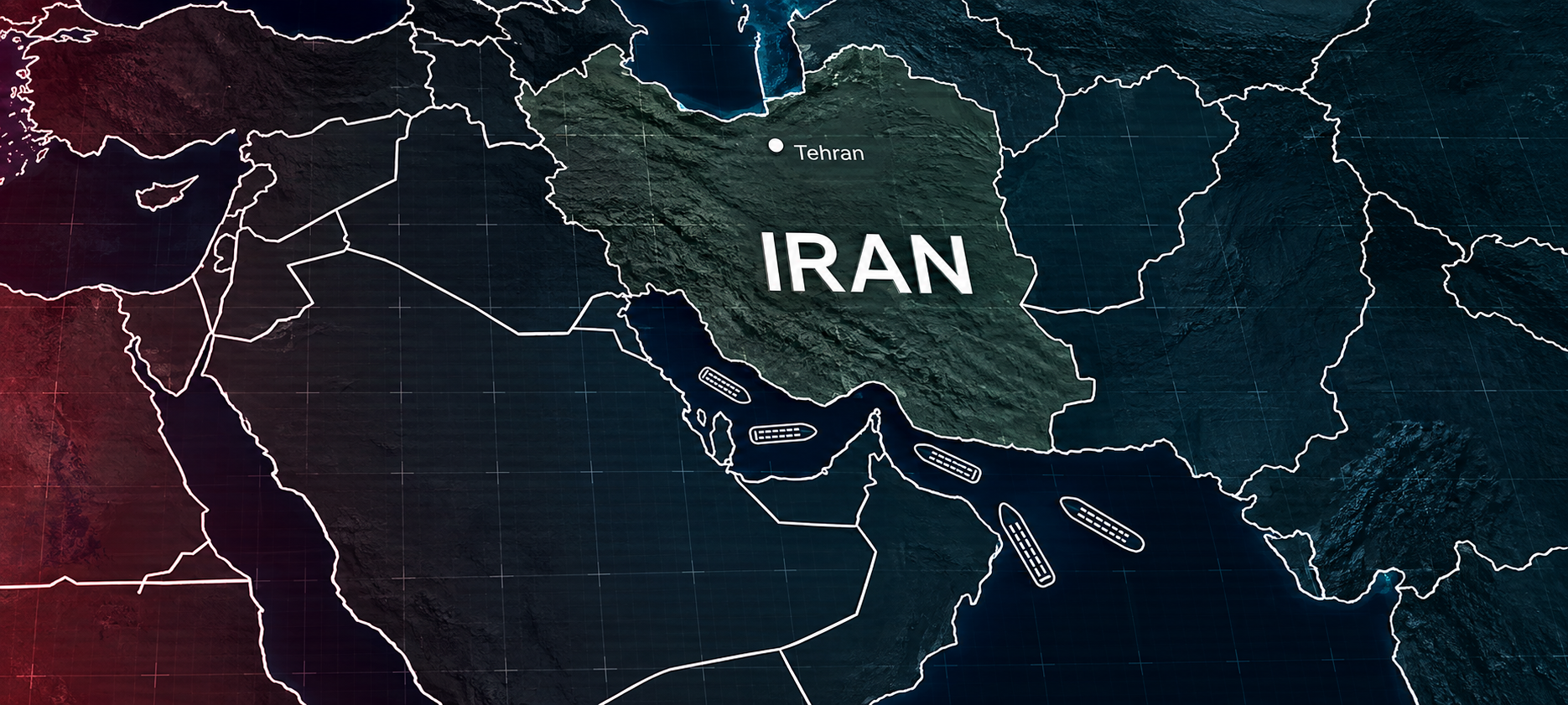
Nearly seven months after American forces opened a massive military campaign against Iran, the United States remains entrenched in a conflict that has outlived Operation Epic Fury, claimed the lives of 18 U.S. service members, wounded hundreds more and pushed the consequences of the war far beyond Iran’s borders and into the world’s oil markets, shipping lanes and neighboring countries.
Operation Epic Fury began Feb. 28 with an intensive assault on Iran’s military infrastructure, targeting missile forces, air defenses, naval capabilities, command facilities and other strategic sites. The Pentagon formally ended the Epic Fury designation May 5, but American combat operations associated with the Iran conflict continued under broader overseas operational classifications. The campaign name disappeared while U.S. forces remained in the fight.
The war entering its seventh month bears little resemblance to the concentrated opening campaign. American and Iranian forces have continued exchanging attacks, commercial vessels have been struck around the Strait of Hormuz, Iran-aligned forces have expanded operations elsewhere in the region and Saudi energy infrastructure has become another target. Iraq and Yemen have assumed greater importance as armed groups operating beyond Iran’s borders increase the geographic reach of a confrontation that began primarily between Washington, its allies and Tehran.
For the United States, the mounting casualty count provides the clearest measure of how far the conflict has traveled beyond its original military campaign. At least 18 American service members have been killed since hostilities began, while recent Pentagon reporting has placed the combined number of wounded from Epic Fury and subsequent operations at approximately 794.
Pentagon accounting has divided casualties between Operation Epic Fury and the overseas operations that followed it, including four American deaths moved from the original campaign category into the broader classification. The change lowered the number appearing under Epic Fury without reducing the actual number of Americans killed during the conflict. Taken together, the military toll stands at 18 dead and hundreds wounded since the opening attacks in February.
Iran’s losses have been substantially higher, although an authoritative nationwide count remains unavailable. Recent assessments have placed reported Iranian deaths above 3,500, with tens of thousands wounded. The figures encompass a conflict in which military personnel, security forces and civilians have been killed, while restrictions on independent access inside Iran continue to complicate efforts to establish a complete accounting.
American military operations have inflicted extensive damage on Iran’s conventional forces, including missile systems, naval assets, air defenses and command infrastructure. Those battlefield gains have not produced a permanent settlement. Tehran continues to retain the ability to launch missiles and drones, threaten commercial shipping and exert military pressure through armed organizations operating elsewhere in the Middle East.
Nowhere has that remaining capability become more economically consequential than the Strait of Hormuz.
Before the war, approximately one-fifth of the world’s daily crude oil and liquefied natural gas supply passed through the narrow waterway connecting the Persian Gulf with the Gulf of Oman. Roughly 125 large commercial vessels normally traveled through Hormuz each day. That traffic has fallen sharply during the conflict, dropping into single digits on some recent days as vessel operators confront attacks, military activity, escalating insurance costs and the possibility of losing ships and crews.
The disruption has returned crude oil to prices not seen before the conflict transformed Persian Gulf shipping. Brent crude has been trading above $105 per barrel, while West Texas Intermediate, the principal U.S. benchmark, has climbed above $100. Prices have moved several dollars within individual trading sessions as military strikes, shipping disruptions and signs of possible diplomacy alternately tighten and calm the market.
The pressure is no longer confined to Hormuz. Saudi Arabia’s East-West pipeline, a 745-mile system capable of carrying millions of barrels of oil from fields near the Persian Gulf toward Red Sea export terminals, became increasingly important as shipping through Hormuz deteriorated. Saudi authorities reported that a drone attack originating from Iraq temporarily disrupted the pipeline, striking one of the region’s principal alternatives for moving crude without sending tankers through the contested strait.
At the other end of the Arabian Peninsula, Iran-aligned Houthi forces in Yemen have intensified operations around the Red Sea and Saudi Arabia. Their position near the Bab el-Mandeb Strait places another critical international shipping passage within reach of a conflict already constraining traffic through Hormuz. Saudi Arabia has sought additional American assistance, while Washington has provided intelligence and targeting support without launching another major direct U.S. bombing campaign against the Houthis.
Iraq has also become increasingly entangled in the conflict without the Iraqi government itself becoming an American adversary. Iran-aligned armed groups continue to operate inside Iraq, U.S. military personnel remain stationed there and attacks launched from Iraqi territory have carried consequences across national borders. An American service member counted among the conflict’s dead was killed in Iraq during the controlled detonation of an Iranian drone.
The widening battlefield has complicated an American campaign that began with clearly stated military objectives. Washington sought to prevent Iran from obtaining a nuclear weapon, dismantle major ballistic-missile and naval capabilities, reduce threats against American forces and regional partners, protect international shipping and weaken Tehran’s ability to project military power through allied armed groups.
Months of strikes have destroyed a substantial amount of Iranian military hardware without settling the political disputes that produced the confrontation. Iran’s nuclear program, ballistic-missile capability, petroleum exports, American sanctions, freedom of navigation through Hormuz and Tehran’s relationships with armed groups throughout the region remain central points of disagreement.
Diplomatic contacts have continued alongside the fighting. President Donald Trump has said Iran wants an agreement with the United States, remarks that briefly eased oil prices after another sharp increase. Planned Gulf discussions involving Iran were postponed, however, while Washington and Tehran remained divided over the scope and sequence of negotiations.
Iran has sought to connect negotiations over its nuclear program with the American naval presence and restrictions surrounding Hormuz. Washington has continued to place Iran’s nuclear activities near the center of any broader agreement. Those competing demands have prevented temporary reductions in fighting from developing into a durable peace.
The economic consequences are reaching Americans thousands of miles from the battlefield. Sustained crude prices above $100 can filter through gasoline, diesel, aviation, agriculture, manufacturing and freight transportation, particularly when the increase is driven by the physical interruption of petroleum shipments rather than ordinary market fluctuations. Middle Eastern refined-fuel exports have also been disrupted, adding another source of pressure to international energy markets.
For the families of American service members, the war has already carried a cost measured beyond oil prices and shipping statistics. Eighteen Americans have been killed and hundreds wounded during a conflict that began with a named military campaign expected to cripple Iran’s ability to threaten the United States and its regional interests. American forces accomplished extensive destruction during Epic Fury, yet continued Iranian attacks and the movement of hostilities into surrounding countries have kept U.S. personnel in combat months later.
Washington and Tehran both have powerful reasons to end the fighting. Iran has absorbed severe military losses, damage to infrastructure and continuing economic pressure. The United States is sustaining costly military deployments while absorbing casualties and confronting an energy disruption capable of reaching American consumers and businesses. Neither government has yet accepted the political and security terms necessary to turn military pressure into a lasting agreement.
By Wednesday, the formal Operation Epic Fury campaign will have been over for more than four months. The war that followed it remains unresolved. American forces are still operating across the region, Iran retains the ability to retaliate, shipping through one of the world’s most important petroleum corridors remains severely constrained and oil is again trading above $100 per barrel.
After nearly seven months of fighting, the question confronting Washington is no longer whether the United States can strike Iran with overwhelming military force. American forces have already demonstrated that capability. The unanswered question is how the United States converts those battlefield gains into an agreement that brings its service members home without leaving the same threats that sent them into combat in the first place.