


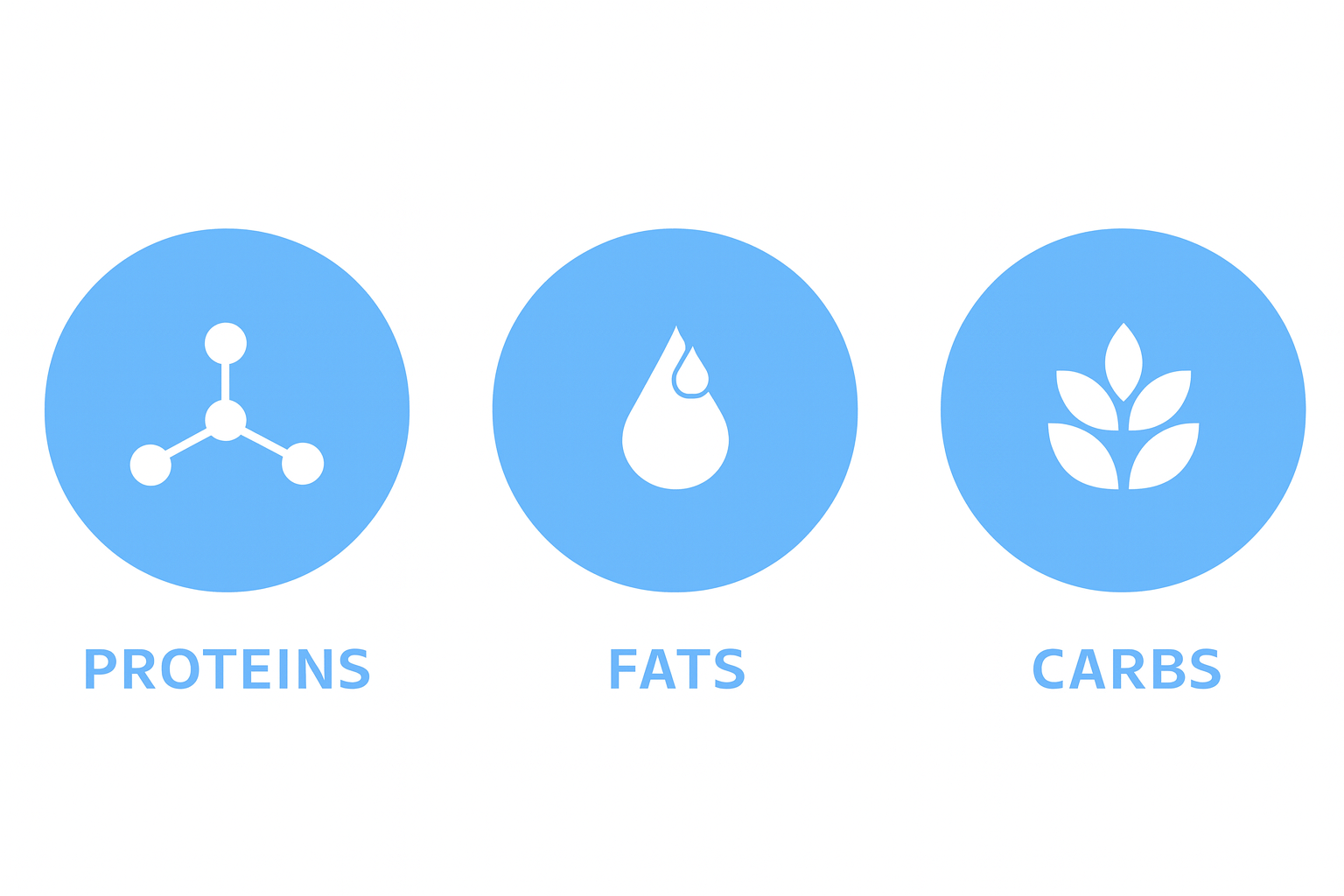
Many people who begin taking nutrition seriously eventually encounter the term macro. Short for macronutrient, the word refers to the three primary nutrient groups that supply the body with energy and support physical function. Protein, carbohydrates and fats make up this category, and every calorie consumed comes from one of these sources. While vitamins and minerals remain essential to health, they do not provide energy in the same way. Macros form the foundation of a person’s daily diet and influence metabolism, hormone activity, muscle growth and overall wellness.
Protein supports muscle maintenance, tissue repair and immune function. Carbohydrates serve as the body’s preferred energy source, fueling the brain and muscles during work, exercise and daily activity. Fats contribute to nutrient absorption, hormone balance and cellular structure. When these nutrients fall out of balance, people may experience fatigue, cravings or difficulty progressing toward long term health goals. Determining the appropriate distribution of each macronutrient generally depends on age, body composition, lifestyle and personal objectives such as weight loss, strength building or improved athletic performance.
Tracking macros has grown in popularity because it provides a clearer view of nutrition than calorie counting alone. Two meals may contain identical calorie totals yet produce completely different effects depending on macro composition. A meal rich in refined carbohydrates may cause quick energy spikes and drops, while a balanced plate of protein, complex carbohydrates and healthy fats often leads to steadier energy and longer lasting fullness. Learning which foods supply each macro helps people make informed dietary choices. Whole grains, fruits, vegetables and legumes typically provide carbohydrates. Meat, poultry, eggs, seafood, dairy, beans and tofu are common protein sources. Nuts, seeds, olives and avocados deliver dietary fats.
Achieving macro goals generally requires awareness and consistency. Many people begin by reading nutrition labels, measuring portion sizes or keeping a food journal. One of the most accessible tools available today comes in the form of smartphone applications designed specifically for macro tracking. These apps allow users to log meals, scan barcodes, search nutrition databases and receive automatic calculations of protein, carbohydrate and fat intake. Over time, the numbers become familiar, helping individuals learn which meals support their desired nutritional balance. For many, this technology turns what once felt complicated into a manageable daily routine.
Some individuals prefer guidance from a nutrition coach or registered dietitian, especially when navigating medical concerns, competitive athletic goals or major lifestyle changes. A professional can offer personalized macro targets, accountability and clarity. However, many people successfully manage their macro goals independently through research, tracking apps, meal planning and personal observation. The key often lies in patience, honesty with food logging and willingness to adjust intake based on how the body responds.
Understanding macros encourages people to view food as more than calories. It reveals how nutrients influence physical function, energy levels and long term health. Whether someone hopes to lose weight, build strength or feel more energized throughout the day, learning how protein, carbohydrates and fats support those goals provides a meaningful foundation for sustainable wellness.