


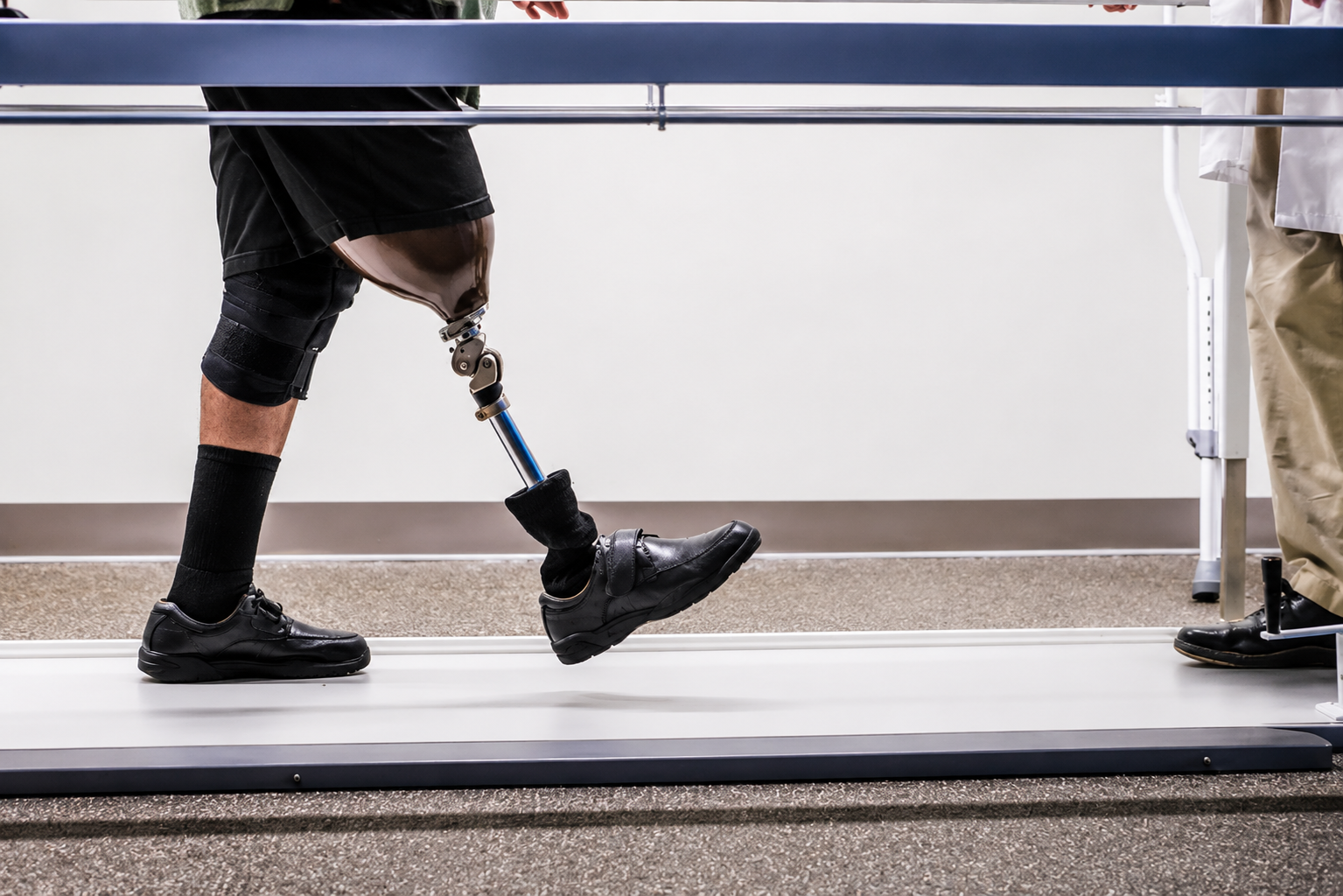
The U.S. Department of Veterans Affairs has implemented a major change to its prosthetics procurement system that is expected to significantly reduce delivery times for thousands of veterans who rely on artificial limbs and mobility devices each year.
The policy change, announced by the Department of Veterans Affairs, is designed to eliminate administrative delays that have historically slowed the process of obtaining prosthetic limbs through the federal health care system. Officials estimate the new approach will reduce average delivery times by more than 40 percent once fully implemented nationwide.
For years, nearly every prosthetic limb order processed through the VA required approval from a contracting officer before the purchase could move forward. While intended as a procurement safeguard, the review process often added several weeks to the timeline between a veteran’s evaluation and the delivery of a needed device.
In April, VA Secretary Doug Collins approved a revised procurement framework that exempts the vast majority of prosthetic limb orders from mandatory contracting officer review. Under the new system, only the most expensive prosthetic devices will continue to require that level of oversight.
The department also expanded purchasing authority for local procurement personnel, allowing them to obtain prosthetic limbs directly from local suppliers when prices are already established through Medicare reimbursement schedules. Because pricing is predetermined in those cases, federal officials determined that additional contract negotiations and approvals were unnecessary.
According to the VA, the changes have already produced measurable improvements. Early implementation has reduced average delivery times by approximately 10 days. As the streamlined process becomes standard across VA facilities nationwide, officials project average wait times will decrease from roughly 94 days to 54 days.
The reduction could have a substantial impact on veterans recovering from limb loss, many of whom depend on prosthetic devices to regain mobility, independence and access to employment, education and daily activities. Department figures show that more than 45,000 veterans receive major limb loss care through the VA system each year.
The modernization effort is part of a broader initiative aimed at improving efficiency across the nation’s largest integrated health care network. Federal officials say reducing delays in prosthetic care is one example of ongoing efforts to simplify procedures while maintaining clinical standards and patient outcomes.
The department has also reported growth in several other operational areas during the past year. More than 150,000 new veterans have enrolled in VA health care programs during 2026, while dozens of new medical facilities have opened since early 2025, expanding access to care in communities across the country.
The agency has additionally reported reductions in pending benefits claims, increases in direct patient appointments and expanded availability of medical visits outside traditional business hours. Officials say those changes are intended to provide veterans with greater flexibility and faster access to services.
Housing assistance has also remained a priority. During fiscal year 2025, the VA reported helping more than 51,000 homeless veterans secure permanent housing, marking the highest annual total recorded in several years.
As VA facilities continue adopting the revised prosthetics procurement process, department leaders expect the shortened timelines to become one of the most visible improvements for veterans requiring specialized medical equipment. For many recipients, the changes could mean receiving life-changing prosthetic devices weeks sooner than under the previous system, reducing delays in rehabilitation and accelerating the return to everyday life.