


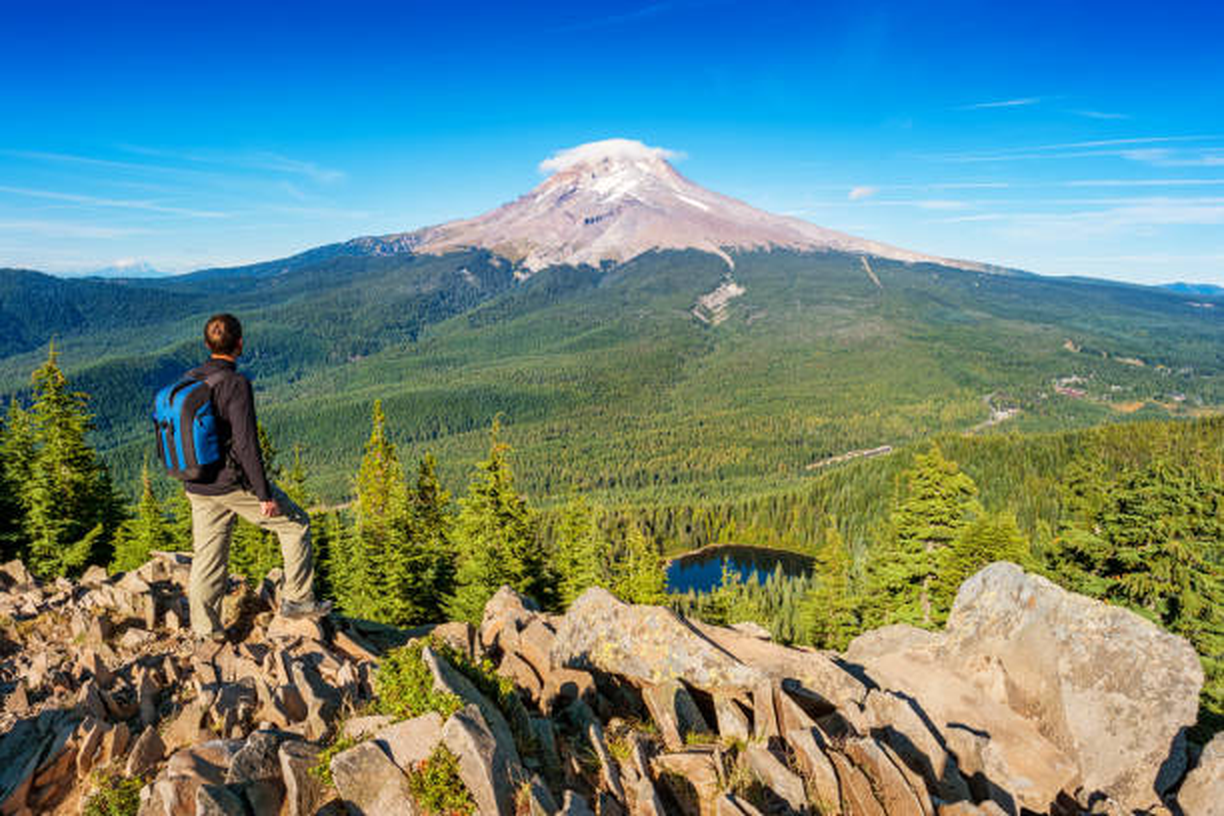
The forests, rivers, coastlines, and mountains that draw millions of visitors to Oregon each year may soon receive a long-awaited boost in funding. A newly approved conservation initiative ties a small increase in lodging taxes paid by travelers directly to protecting the landscapes and wildlife that make the state a destination for outdoor enthusiasts.
The measure creates a dedicated conservation fee tied to overnight stays at hotels, motels, and short-term vacation rentals. By adding a modest increase to the existing statewide transient lodging tax, the program is designed to generate long-term funding for habitat restoration, wildlife protection, wildfire resilience, and efforts to stop the spread of invasive species.
For decades, environmental scientists, conservation groups, and wildlife managers have warned that Oregon’s natural ecosystems face mounting pressure. Population growth, changing climate conditions, invasive plants and animals, and development have steadily eroded habitat across large parts of the state. Fish and wildlife populations in several regions have declined, while agencies tasked with protecting those resources have often struggled with limited funding.
The new approach seeks to shift some of that financial burden away from residents and toward the visitors who travel to Oregon specifically to enjoy its natural beauty.
Supporters of the plan say the idea reflects a simple economic reality: tourism in Oregon is closely tied to the state’s environment. Travelers come to hike forests, fish rivers, watch wildlife, raft mountain streams, explore the coast, and photograph scenic landscapes. By contributing a small portion of their lodging costs toward conservation, visitors are helping preserve the very resources that attract them in the first place.
The additional tax will increase the state’s lodging levy by 1.25 percentage points. Revenue generated from the increase will be directed into conservation efforts aimed at protecting fish and wildlife habitats, improving wildfire resilience, restoring damaged ecosystems, and combating the spread of invasive species that threaten agriculture and native plants.
Invasive species in particular have become a growing concern across Oregon. Non-native plants, insects, and aquatic species have spread through forests, waterways, and farmland, often outcompeting native wildlife and causing ecological and economic damage. Controlling these species requires coordinated monitoring, research, and removal programs that can be expensive and labor intensive.
Wildfire resilience is another area expected to receive support from the new funding stream. Increasingly intense fire seasons in recent years have highlighted the need for forest restoration, fuel reduction, and landscape management designed to reduce catastrophic fire risk while maintaining healthy ecosystems.
Poaching prevention and wildlife conservation programs are also included among the priorities. Illegal hunting and trafficking of wildlife can have significant impacts on vulnerable species, particularly when populations are already under stress from habitat loss or environmental changes.
Support for the conservation initiative came from a wide range of organizations and industries that rely on Oregon’s natural environment. Testimony backing the measure was submitted by conservation advocates, outdoor recreation companies, tourism operators, farmers, ranchers, hunters, anglers, educators, labor groups, and wildfire professionals. Many of these groups pointed to the economic value of healthy landscapes.
Outdoor recreation alone contributes billions of dollars annually to Oregon’s economy, supporting jobs in guiding services, equipment manufacturing, tourism, and hospitality. Agricultural producers also depend on stable ecosystems, healthy watersheds, and functioning wildlife habitats to sustain the landscapes where crops and livestock are raised.
Tourism professionals noted that visitors consistently rank Oregon’s natural scenery and wildlife among the top reasons they choose to travel to the state. Maintaining those resources is widely seen as essential not only for environmental reasons but also for long-term economic stability in many rural communities that depend heavily on recreation and travel.
The conservation funding plan cleared the Oregon Senate with bipartisan backing. The proposal had previously moved through the Oregon House with similar support, reflecting a coalition that crossed geographic and political lines.
The measure now awaits final action from Governor Tina Kotek. If signed into law, the conservation fee would establish a stable funding source dedicated specifically to protecting Oregon’s landscapes and wildlife.
Advocates say the approach marks a significant shift from the past, when conservation programs often relied heavily on fluctuating general funds or limited wildlife licensing revenue.
By linking environmental protection directly to the tourism economy, the new program aims to ensure that the state’s forests, rivers, coastlines, and wildlife populations remain healthy for generations to come.
For many, Oregon’s natural environment is more than scenery. It is the foundation of the state’s identity, its outdoor culture, and a significant portion of its economy. The new conservation effort represents an attempt to invest in that foundation while sharing responsibility among those who benefit from it most.