


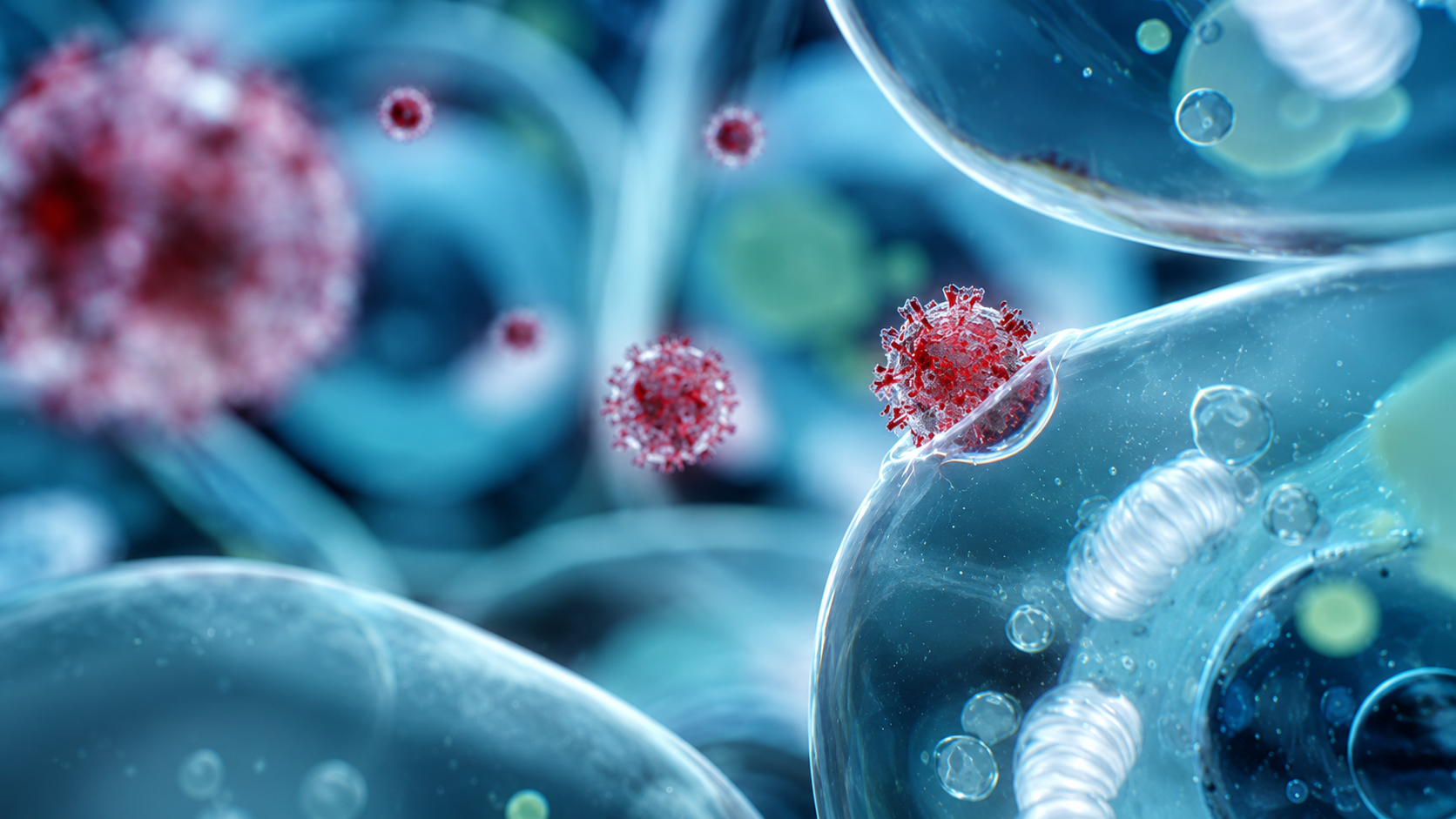
Zoonotic transmission is the biological highway parasites use to move between animals, insects, birds, snails, fish, livestock, pets, soil, and, eventually, the human body. People often insist they “don’t have parasites,” but parasites don’t need permission or a passport. They move through ecosystems with remarkable precision, following host-to-host pathways that have existed for millions of years. They cross species because their life cycles require it, and humans are simply another mammal in the chain. Parasites do not care about hygiene, income, or geography; they care about biology and finding their next host.
One of the clearest examples of zoonotic movement begins in water, where birds shed parasite eggs into lakes and ponds. Snails ingest these eggs, and inside the snail the parasite transforms into free-swimming larvae that emerge and search for a bird host. When humans enter the water, the larvae may mistake human skin for that of a bird and penetrate it, causing the rash commonly known as swimmer’s itch. This is a classic example of accidental zoonotic transmission: the parasite is adapted for birds, but humans become incidental hosts simply by being in the wrong place at the wrong time. These organisms do not remain confined to animals; they move through any host that allows them to continue their life cycle, including humans. Anyone who swims in natural bodies of freshwater has likely encountered these parasites, whether they realize it or not.
Another dramatic example comes from horsehair worms, which begin life in water before entering insects such as crickets or grasshoppers. The worm grows inside the insect and eventually manipulates the host’s behavior, causing it to leap into water. Fish then consume the infected insect, allowing the parasite to continue its life cycle. Humans are not natural hosts for horsehair worms, but this cycle illustrates how parasites routinely cross species boundaries. They move from insect to fish with remarkable efficiency, demonstrating that host switching is a normal part of many parasitic life cycles. Their ability to manipulate host behavior remains one of the most fascinating examples of parasite adaptation.
Dogs are major reservoirs for several zoonotic parasites capable of infecting humans. Trypanosoma cruzi, the parasite responsible for Chagas disease, circulates among dogs, rodents, opossums, and other wildlife. Kissing bugs feed on infected animals and can subsequently transmit the parasite to humans. Once inside the human body, Trypanosoma cruzi may invade the heart, digestive tract, and nervous system, sometimes remaining dormant for decades before causing chronic disease. This parasite demonstrates how animals can quietly maintain infections that occasionally spill over into human populations.
Dogs also shed Toxocara canis, a roundworm whose eggs contaminate soil. Humans may ingest these microscopic eggs through gardening, contaminated food, or hand-to-mouth contact. The larvae can migrate through organs including the liver, lungs, and eyes, causing visceral or ocular larva migrans. People often deny parasite exposure, yet anyone who has handled soil, eaten unwashed produce, or lived around dogs has had opportunities for exposure to Toxocara.
Cats are the only definitive hosts for Toxoplasma gondii, meaning the parasite completes its sexual reproduction only within feline intestines. Cats shed oocysts in their feces, contaminating soil, water, vegetables, and other environmental surfaces. Humans become infected by ingesting these oocysts through contaminated food, water, gardening, or accidental exposure. Once inside the human body, Toxoplasma may spread to the brain, eyes, muscles, and other tissues. People often assume they are safe because they do not own cats, but the parasite moves through soil, water, and food far beyond the animals that initially shed it.
Livestock carry numerous parasites that humans may encounter through food and agricultural environments. Pigs can transmit Trichinella spiralis through undercooked pork and Taenia solium through contaminated food, leading to trichinellosis, tapeworm infection, or cysticercosis. Cattle may carry Cryptosporidium parvum, a parasite associated with waterborne outbreaks, as well as Taenia saginata, the beef tapeworm. Sheep and goats may harbor Fasciola hepatica, the liver fluke, along with several species of Cryptosporidium. These parasites move through food, water, and agricultural settings, creating opportunities for human exposure.
Rodents are among the most prolific reservoirs of zoonotic pathogens. They carry organisms associated with diseases such as leishmaniasis, Chagas disease, babesiosis, giardiasis, and others that may contaminate soil, water, grain, and animal feed. Rodents inhabit cities, rural communities, farms, barns, sheds, and homes, creating frequent opportunities for human contact with environments they contaminate.
Seed oils add another proposed layer to parasite vulnerability. High-linoleic oils such as cottonseed, soybean, corn, safflower, and sunflower oil do not create parasites, but some researchers have suggested they may contribute to biological conditions that parasites can exploit. These oils have been associated in some studies with chronic inflammation, disruption of the gut microbiome, impairment of the intestinal barrier, altered immune signaling, slower gut motility, and elevated arachidonic acid levels. Parasites may utilize arachidonic acid during membrane formation, immune modulation, and resistance to oxidative stress. When the gut barrier is compromised and inflammation is elevated, parasites may have greater opportunities to invade tissues, persist within organs, and evade aspects of the immune response. This hypothesis is not that parasites feed directly on seed oils, but rather that certain physiological changes in the host could potentially make parasitic infections more difficult to eliminate.
People often say, “I don’t have parasites,” yet parasites are an integral part of the natural ecosystem. Anyone who touches soil may come into contact with parasite eggs. Anyone who eats fresh vegetables may be exposed to parasite cysts. Anyone who consumes meat may encounter parasite larvae if food is improperly prepared. Anyone who swims in lakes or ponds may be exposed to bird parasites. Anyone who owns pets experiences some level of exposure to organisms carried by animals. Even drinking untreated water can expose a person to microscopic parasites. Parasites are not rare, exotic, or confined to distant countries. They exist throughout the world, moving through animals, food systems, and natural environments, with humans serving as one of many potential hosts.