


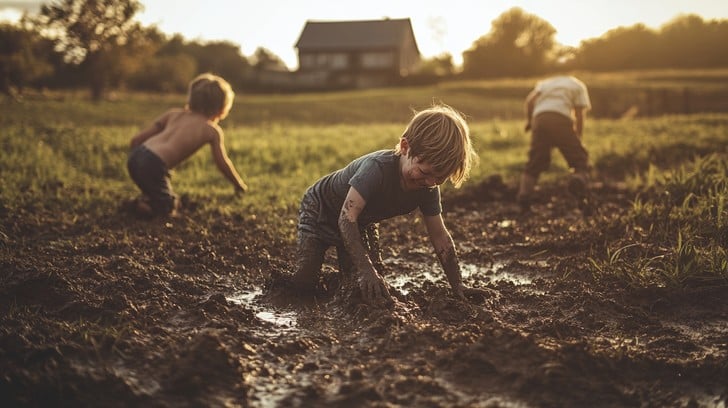
As the summer months approach and school doors close, children across the country eagerly take to parks, backyards, pools, and playgrounds for long days of outdoor fun. While the season brings a welcome break from academic routines, it also presents a heightened risk of exposure to dirt, germs, and bacteria. For parents, this time of year is critical not only for safeguarding children’s immediate health but also for instilling habits that will benefit them well into adulthood.
Summer activities, by their nature, increase the likelihood of contact with a wide range of pathogens. From sweaty afternoons on the baseball field to muddy explorations in the garden, children can quickly find themselves covered in dust, dirt, and sweat. Combined with the close proximity of other kids during camps, sports, or social gatherings, there is a greater chance of contracting illnesses such as skin infections, pink eye, or gastrointestinal bugs. Regular hygiene routines are key to preventing these issues.
The most effective approach starts with consistency. Establishing a hygiene routine early in the summer creates predictability, helping children understand what is expected of them and why. This includes regular handwashing—especially before meals and after using the restroom or playing outside—as well as daily bathing, tooth brushing, and proper skincare. Emphasizing the importance of cleanliness after time spent outdoors reinforces the connection between activity and hygiene.
Bathing becomes particularly essential during summer. Sweating increases during high temperatures, and without regular bathing, the skin can become irritated, leading to rashes or clogged pores. Parents should encourage children to shower or bathe at least once daily, especially after swimming or heavy outdoor play. For younger children, making bath time fun with toys or engaging scents can help them view the task as enjoyable rather than burdensome.
Hand hygiene is equally important. Simple routines like washing hands with soap and water for at least 20 seconds can dramatically reduce the spread of bacteria and viruses. While hand sanitizers can be a convenient supplement when on the go, they should not be considered a substitute for traditional handwashing. Parents can model good behavior by washing their hands alongside their children and making it a shared activity.
Oral hygiene should not be overlooked, even when the usual bedtime routine becomes more relaxed during the summer. Children should continue brushing their teeth at least twice a day and flossing once daily. Encouraging healthy habits around sugar intake, especially with the abundance of summer treats, further helps prevent cavities and gum disease.
In addition to routine hygiene, parents should also take steps to protect against seasonal health threats. Sunscreen application, tick checks after hikes or time in wooded areas, and keeping nails trimmed to avoid dirt buildup are small actions that contribute to a broader routine of cleanliness and safety. Wearing appropriate footwear in communal areas like public pools or locker rooms can also prevent fungal infections like athlete’s foot.
Importantly, teaching hygiene during the summer isn’t only about maintaining cleanliness; it’s about building a foundation for lifelong self-care. Children who learn to take responsibility for their personal hygiene develop a sense of independence and self-respect. These routines also contribute to their social well-being, helping them feel more confident around peers and minimizing the likelihood of being singled out due to body odor or uncleanliness.
As children grow, the responsibility of hygiene will increasingly shift from parent to child. By creating structured, age-appropriate expectations early on, parents give their children the tools to care for themselves and understand the benefits of staying clean and healthy. What begins as parental guidance gradually becomes a personal routine that supports overall well-being for years to come.
In a season defined by freedom and exploration, hygiene may not be top-of-mind for many children. But with mindful guidance, summer can be an ideal time to reinforce the value of self-care—not as a chore, but as a natural part of everyday life.