


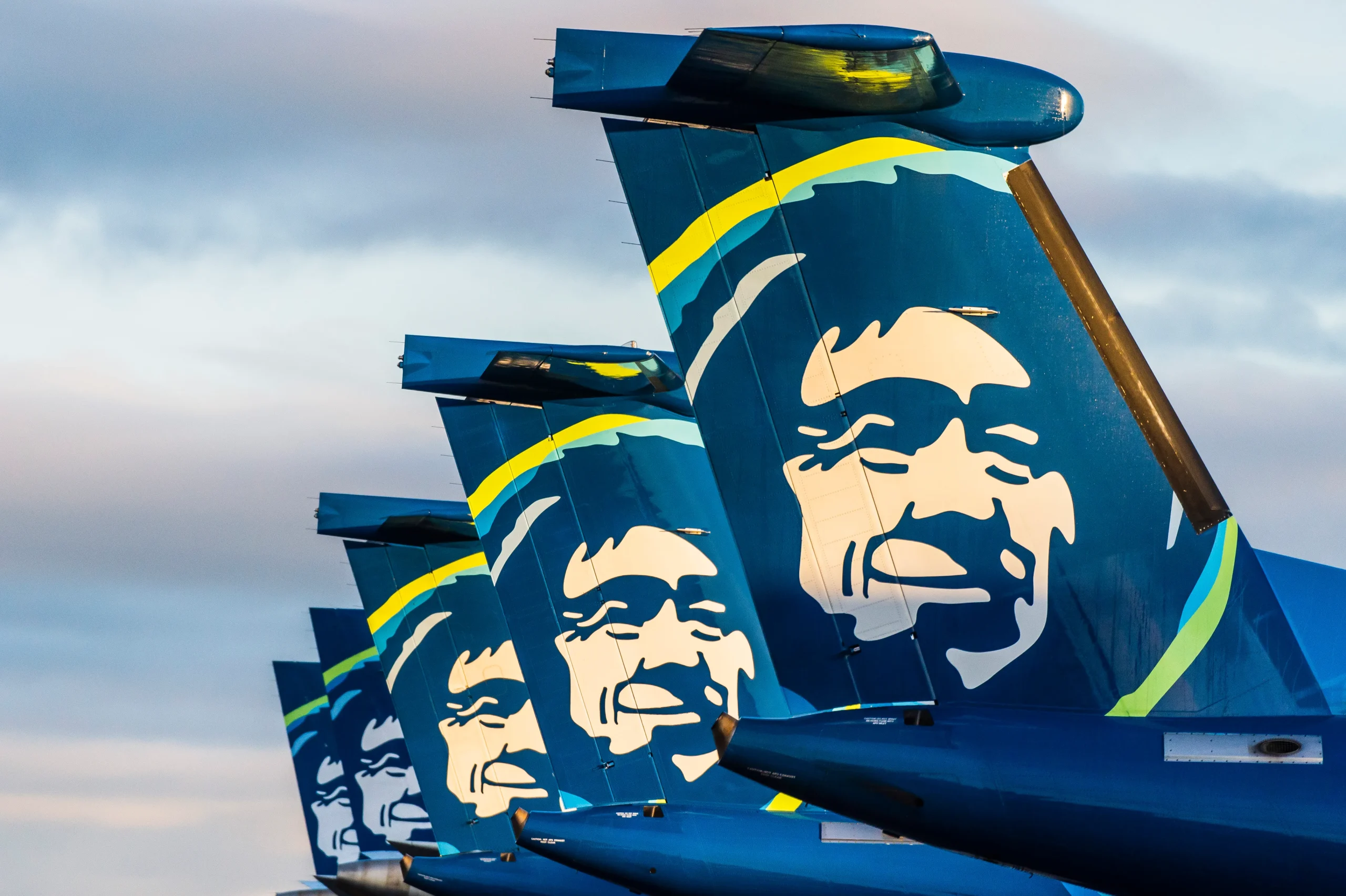
Alaska Airlines temporarily grounded all of its domestic flights on Sunday morning following a significant information technology outage that disrupted operations across the country. The halt in service lasted approximately three hours and left thousands of travelers stranded at airports nationwide, causing widespread delays, missed connections, and logistical complications.
The airline confirmed the issue stemmed from a system-wide IT malfunction that impacted essential flight planning and operational software. Without access to these critical tools, Alaska Airlines was unable to safely dispatch or manage flights, prompting the company to initiate a nationwide ground stop. While service resumed later in the day, the interruption triggered a ripple effect throughout the airline’s schedule, with delays and cancellations continuing well into the evening.
This event marks the second time in just over a year that Alaska Airlines has faced a major system-wide disruption. In April 2024, the airline similarly grounded flights due to a separate IT issue that involved problems with its flight planning system. The recurrence of such outages has raised concerns among industry analysts and passengers alike, highlighting the increasing dependency of airline operations on digital infrastructure and the vulnerability of those systems to technical failure.
As the aviation industry continues to embrace digital transformation for greater efficiency, safety, and cost-effectiveness, reliance on complex software platforms and real-time data systems has grown. These systems handle everything from passenger check-ins and baggage routing to aircraft maintenance and weather monitoring. When such infrastructure fails, even briefly, the consequences can be immediate and far-reaching.
The impact of the outage was particularly acute during the summer travel season, a peak period when airlines already operate on tight schedules and limited flexibility. Airports in major hubs such as Seattle, Portland, and Los Angeles reported long lines and frustrated travelers as customer service agents scrambled to rebook passengers and provide updated information. The disruption also placed added strain on airport operations, security checkpoints, and rental car agencies, many of which were unprepared for the sudden influx of delayed travelers.
Alaska Airlines’ customer service teams were forced to respond to thousands of rebooking requests and inquiries within a compressed window, leading to long wait times both in-person and online. While the airline eventually restored its systems and resumed flight activity, the backlog of delayed flights and displaced passengers persisted throughout the day.
Regulatory agencies, including the Federal Aviation Administration, were made aware of the outage and monitored the situation closely, though no safety violations or security breaches were reported in connection with the event. Alaska Airlines has not provided detailed technical explanations for the cause of the failure but indicated that its IT teams had worked urgently to resolve the issue and restore normal operations.
In recent years, airlines across the industry have faced similar challenges as aging IT infrastructure struggles to keep pace with operational demands and growing cybersecurity concerns. Carriers have invested heavily in digital upgrades and redundancy systems, yet outages continue to reveal points of failure that can grind operations to a halt. Experts note that while full system outages are relatively rare, they underscore the importance of robust contingency planning and real-time response protocols.
Alaska Airlines has pledged to conduct a full investigation into the incident and assess what improvements can be made to prevent future occurrences. In the meantime, passengers affected by the disruption have been advised to monitor their itineraries, as continued delays and limited seat availability are likely to persist for at least another day as the airline works to return to normal service levels.
The airline has faced mounting pressure to reassure customers and regulators that its systems are secure and capable of sustaining uninterrupted service, especially as it competes in a highly regulated and customer-sensitive market. The latest disruption adds to the broader conversation about the reliability of air travel in an increasingly digital world—and the steps necessary to ensure that technology remains a tool of convenience rather than a point of failure.