


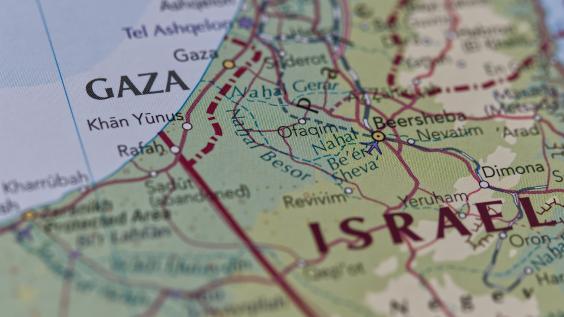
Israel has launched what officials describe as the opening stage of a large-scale military operation aimed at Gaza City. Reports indicate that the offensive, which began on Wednesday, marks the first phase of a broader plan that could see tens of thousands of Israeli reservists deployed in the coming days.
The move comes after weeks of intensifying hostilities between Israel and Hamas, the militant group that controls Gaza. Fighting has already escalated across the region, but the current action signals a transition into a full urban offensive, one of the most complex and costly forms of modern warfare. According to reports, Israel intends to call up between 50,000 and 60,000 reservists, reinforcing active-duty forces in preparation for what military planners expect to be a prolonged campaign inside Gaza City.
Gaza City, the most densely populated urban center in the territory, poses enormous challenges for both military forces and civilians. The city has been the focal point of Hamas’ political and military infrastructure for years, making it a prime target for Israel’s effort to dismantle the group’s capabilities. However, urban combat in such an environment carries heightened risks of civilian casualties, displacement, and widespread infrastructure damage.
The call-up of reservists underscores the seriousness of Israel’s plans. Israel’s reserve system is central to its defense strategy, allowing the nation to rapidly expand its military ranks in times of crisis. Bringing in 50,000 to 60,000 additional personnel suggests that military leaders are preparing not only for immediate combat operations but also for an extended occupation or security presence within Gaza City once direct fighting subsides.
International observers are watching closely, aware of the broader regional implications. An invasion and potential occupation of Gaza City could draw sharp responses from neighboring countries, humanitarian organizations, and global powers. Human rights groups have repeatedly expressed concern about the impact of large-scale ground operations in Gaza, citing the territory’s already strained humanitarian conditions. Food shortages, lack of medical supplies, and limited access to clean water are ongoing issues that could worsen dramatically under the strain of military occupation.
Israel’s stated objective has long been to weaken Hamas’ ability to launch rockets and conduct attacks across its border. Previous airstrikes and smaller incursions have targeted military infrastructure, weapons depots, and leadership figures within the group. The current offensive, however, represents a significant escalation, signaling that Israel is now moving beyond targeted strikes into an effort to control the city itself.
The global community remains divided on Israel’s actions. Some nations recognize Israel’s right to defend itself against attacks launched from Gaza, while others urge restraint and warn that an invasion could worsen regional instability. Calls for ceasefires and negotiations continue, but the momentum now appears firmly on the side of military escalation.
As the first stage of the operation unfolds, the extent and duration of Israel’s campaign remain uncertain. What is clear is that the mobilization of such a large number of reservists and the declared intention to occupy Gaza City suggest a long and difficult period of conflict ahead, with consequences that will reverberate far beyond the borders of Israel and Gaza.