


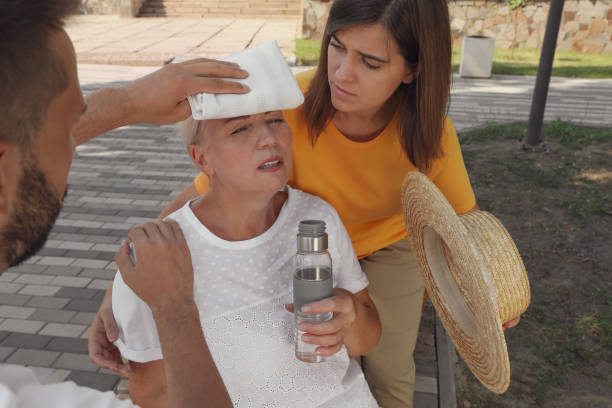
Southern Oregon has been facing another stretch of extreme heat this week, with temperatures soaring high enough to put residents at real risk of heat-related illness. Among the most dangerous of these is heat stroke, a medical emergency that requires quick recognition and immediate action. Understanding what to look for and how to respond can make a life-saving difference before emergency services arrive.
Heat stroke occurs when the body’s temperature regulation system fails, typically after prolonged exposure to high heat or strenuous activity in hot weather. Unlike heat exhaustion, which may come with heavy sweating, heat stroke often sets in when the body stops sweating despite the rising temperature. A core body temperature of 104 degrees Fahrenheit or higher is a defining marker, but since few people carry a thermometer with them, recognizing the outward signs becomes essential. Warning symptoms include hot, dry skin, rapid heartbeat, flushed appearance, dizziness, confusion, nausea, and in more severe cases, seizures or loss of consciousness. For someone experiencing these symptoms in the Southern Oregon heat, every moment counts.
The first step is to move the person to a cooler environment as quickly as possible. Shade, air conditioning, or even the interior of a vehicle with fans running can provide immediate relief from the relentless sun. Loosening or removing excess clothing helps reduce trapped heat around the body. The focus should then shift to active cooling while waiting for emergency responders. Applying cold water to the skin, using damp cloths, spraying with a garden hose, or immersing in a cool bath can rapidly lower body temperature. Placing cold packs or even bags of ice on areas where blood vessels run close to the surface, such as the armpits, neck, and groin, can help accelerate cooling.
If the person is conscious and able to swallow safely, offering small sips of cool water can assist in rehydration. However, large amounts should be avoided in case nausea or vomiting occur. If the individual loses consciousness or becomes unable to safely drink, do not attempt to give fluids. Instead, ensure their airway remains open and be prepared to provide CPR if they stop breathing.
Calling 911 is non-negotiable when heat stroke is suspected. Even if symptoms seem to improve after initial cooling, the condition can cause hidden internal damage to organs and the nervous system. Emergency medical personnel have the equipment and expertise to stabilize patients and prevent long-term complications. The role of bystanders is to provide those crucial first interventions that bridge the gap until help arrives.
For Southern Oregon residents, this week’s extreme temperatures make preparation just as important as response. Staying hydrated, avoiding outdoor activity during peak afternoon hours, and checking on vulnerable neighbors—especially the elderly, young children, and those with health conditions—are all proactive steps. When heat stroke does occur, the difference between tragedy and recovery can rest in how quickly and effectively immediate care is provided. Recognizing the signs, knowing how to cool the body, and calling for medical help without hesitation are the key elements to keeping our community safe during this dangerous stretch of summer weather.