


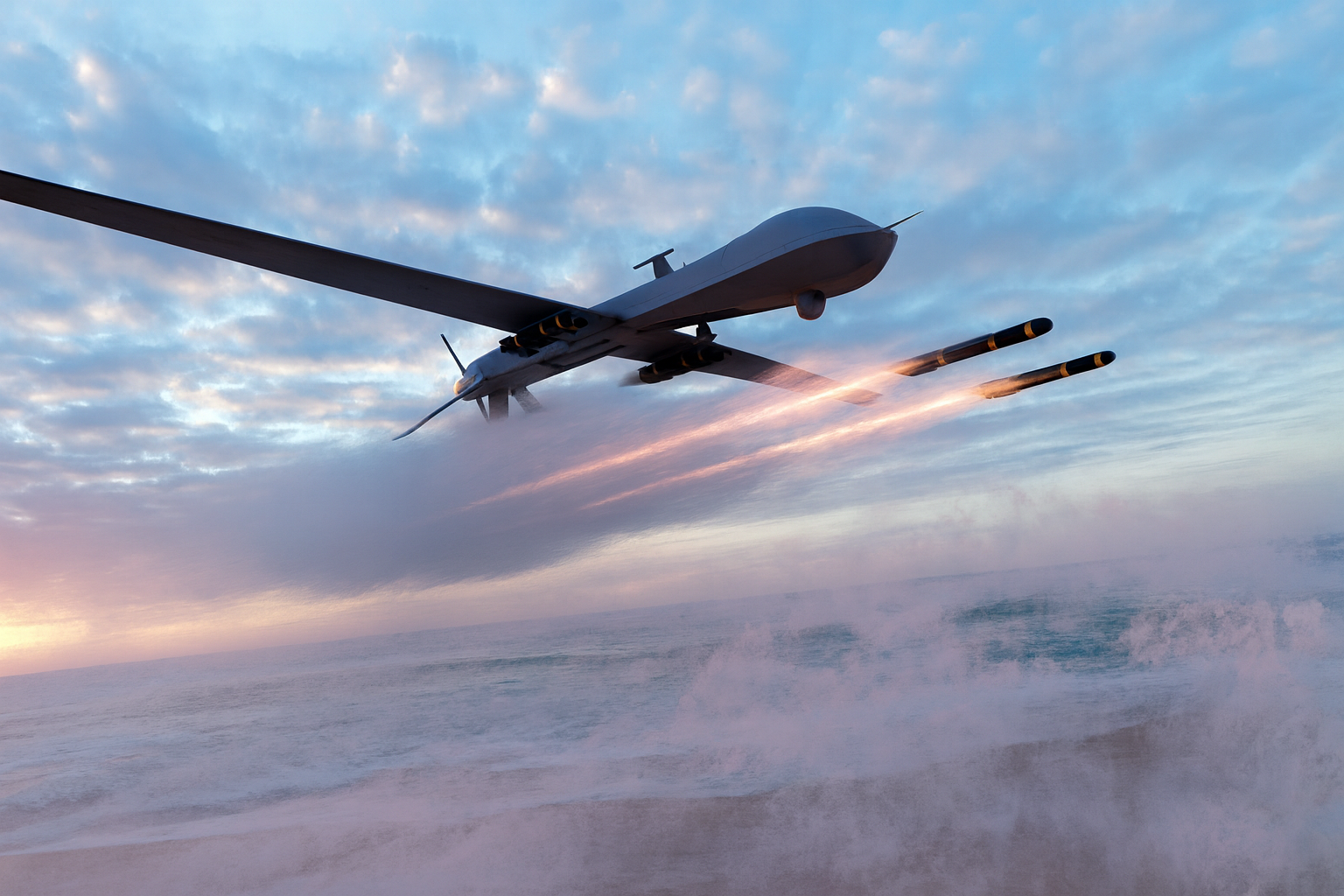
The town of Bint Jbeil in southern Lebanon was the scene of a deadly Israeli drone strike on Sunday, an attack that killed five people, including three children, and renewed scrutiny of a fragile truce along the Israel–Lebanon border. The strike targeted a motorcycle and a vehicle, according to Lebanese authorities, and left behind a grim tableau of civilian casualties that has sparked competing claims and raised questions over the durability of a U.S.-brokered ceasefire.
Lebanon’s Health Ministry reported that the victims included three children and their father, with initial accounts from parliamentary leaders suggesting that the family held U.S. citizenship. While Lebanese officials emphasized the nationality of those killed, the U.S. State Department stated that it had not confirmed that claim, noting that the information remained fluid as investigators worked to establish identities. This discrepancy has highlighted the difficulty of obtaining reliable information in conflict zones where competing narratives often emerge in the immediate aftermath of violence.
The Israeli military acknowledged responsibility for the strike and confirmed that its intended target was a member of Hezbollah operating within the civilian area. Israeli officials admitted that noncombatants were among the dead and said the incident was under review. The stated goal of the mission was to neutralize a militant threat, though the presence of an entire family in the strike zone has raised questions about intelligence assessment and proportionality.
For Lebanon, the attack is another tragic example of civilian suffering in a region long caught in cycles of conflict. Southern Lebanon has been subject to repeated Israeli strikes over the past year, even after a truce was arranged in late November 2024 to reduce hostilities. That ceasefire, brokered by the United States, was designed to prevent escalation between Israel and Hezbollah and ease pressure on border communities. Yet, exchanges of fire and targeted strikes have persisted, each incident threatening to unravel the agreement.
The Bint Jbeil strike underscores the challenge of sustaining calm in an area where both sides accuse one another of violations. Israel has defended its operations as necessary to deter Hezbollah activity and to prevent cross-border attacks, while Lebanese leaders argue that ongoing strikes represent a systematic breach of the truce. International observers have cautioned that repeated incidents of civilian deaths could erode support for the ceasefire and create new pressures on the fragile diplomatic framework established last year.
The potential involvement of American citizens in the tragedy adds another layer of complexity. If confirmed, their deaths could trigger greater scrutiny from Washington and complicate its position as a mediator. U.S. officials have so far remained cautious, awaiting confirmation of identities before commenting on the implications. At the same time, humanitarian groups have renewed calls for greater protections for civilians in areas where combatants and families live side by side, often without clear separation.
As investigators sift through the details of Sunday’s strike, families in Bint Jbeil are left to bury their dead, and regional leaders are once again faced with the fragile balance between military objectives and human cost. Whether the truce can survive repeated violations remains an open question, one now colored by the deaths of children in a conflict that continues to resist resolution.