


Winter in Southern Oregon has its own rhythm, a mix of crisp mornings, early sunsets and the promise of adventure just beyond the valley floor. For many residents, the colder months are an invitation to explore. Back-road drives, spur-of-the-moment day trips, and brisk hikes into the foothills become part of the seasonal routine. With that spirit of exploration, however, comes the responsibility to prepare for the conditions that winter can bring to rural landscapes and winding mountain corridors.
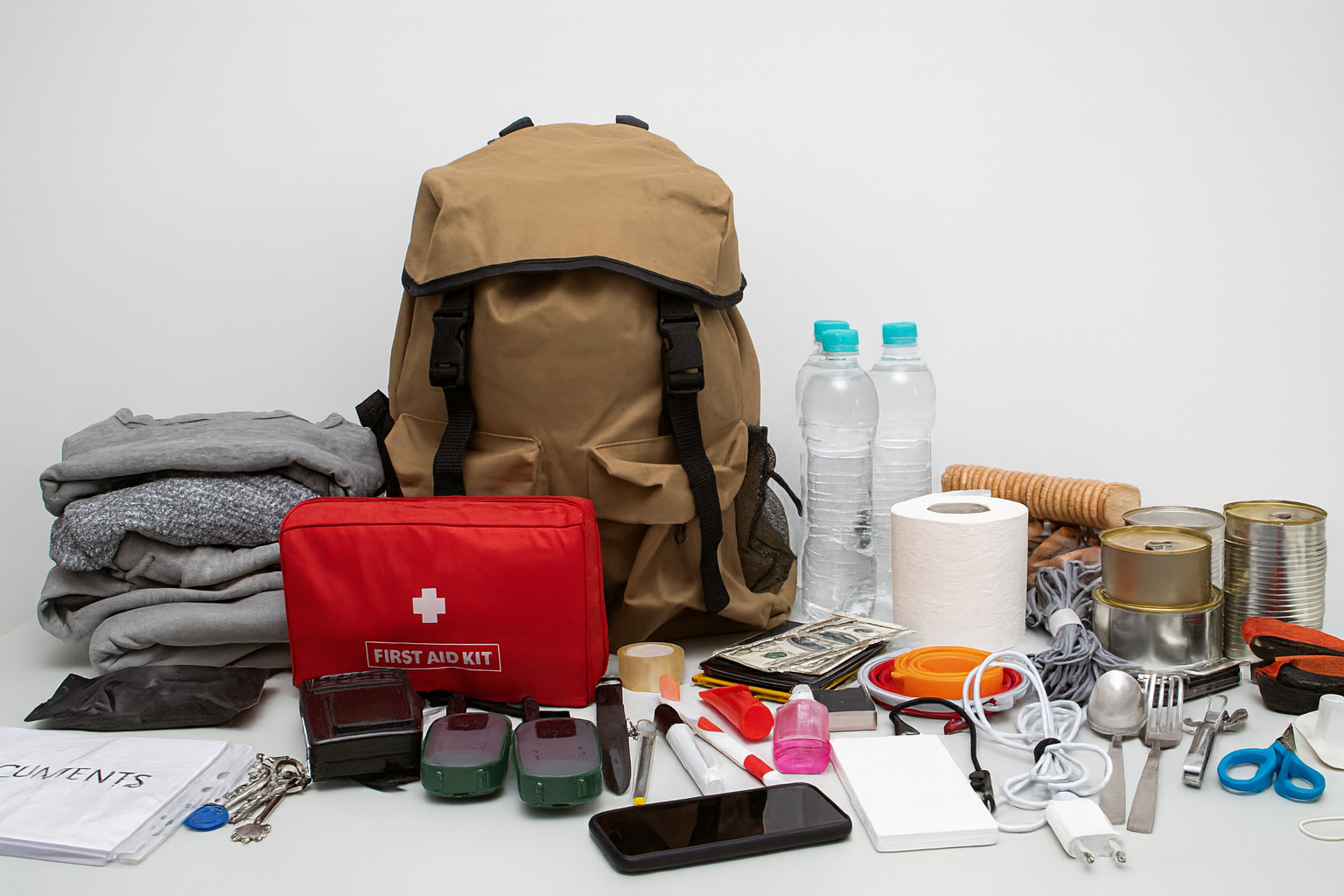
Being ready for winter travel starts long before you back out of the driveway. The foundation of safe winter exploration is an emergency travel bag packed with items that are essential if a routine outing turns into an unexpected delay or emergency. Water should be stored in multiple containers and kept in the vehicle year-round. High-calorie food items are equally important and can range from energy bars to fully prepared meals designed for long shelf life. Warmth is the next priority, and extra socks, jackets, gloves and hats provide a necessary layer of protection if the temperature drops quickly or if you find yourself stranded.
Blankets are a critical addition to any winter travel kit. Thick wool blankets retain heat exceptionally well, while compact thermal blankets can be stored easily and used in prolonged emergencies. Fire-starting tools add another layer of security. Waterproof matches, lighters or small fire-starter kits can mean the difference between staying warm and being exposed to dangerously cold temperatures if you must remain in place for an extended period.
Communication is another key part of winter readiness in Southern Oregon. Many back-road areas have unreliable or nonexistent cell service. Satellite GPS units provide accurate navigation regardless of signal strength, and satellite phones offer a lifeline when traditional communication fails. These items can be expensive, but travelers who cannot afford them can still take important precautions. Before leaving for a day trip or hike, share your plan with trusted friends or family members and include your intended route and expected return time. This simple step increases the likelihood of a quick response if something goes wrong.
Vehicle readiness is just as important as personal readiness. Winter driving places extra demands on cars and trucks, making routine maintenance a necessity rather than an option. Tires should be checked for tread depth and proper inflation. Antifreeze levels must be sufficient for colder temperatures. Batteries weaken in the cold and should be tested or replaced before winter arrives. Drivers heading into areas where snow is likely should carry tire chains and know how to install them. Snow tires provide even greater stability and should be considered for frequent winter travel.
Emergency signaling tools serve an important role when road conditions deteriorate. Road flares can alert oncoming drivers or guide emergency responders to your vehicle in low-visibility conditions such as heavy snow or thick fog.
Winter exploration in Southern Oregon offers rewards that cannot be experienced during any other season, but those rewards come with responsibilities. By preparing early, packing intentionally and respecting the unpredictability of winter weather, travelers can enjoy the beauty of the season while staying safe on the road and trail.