


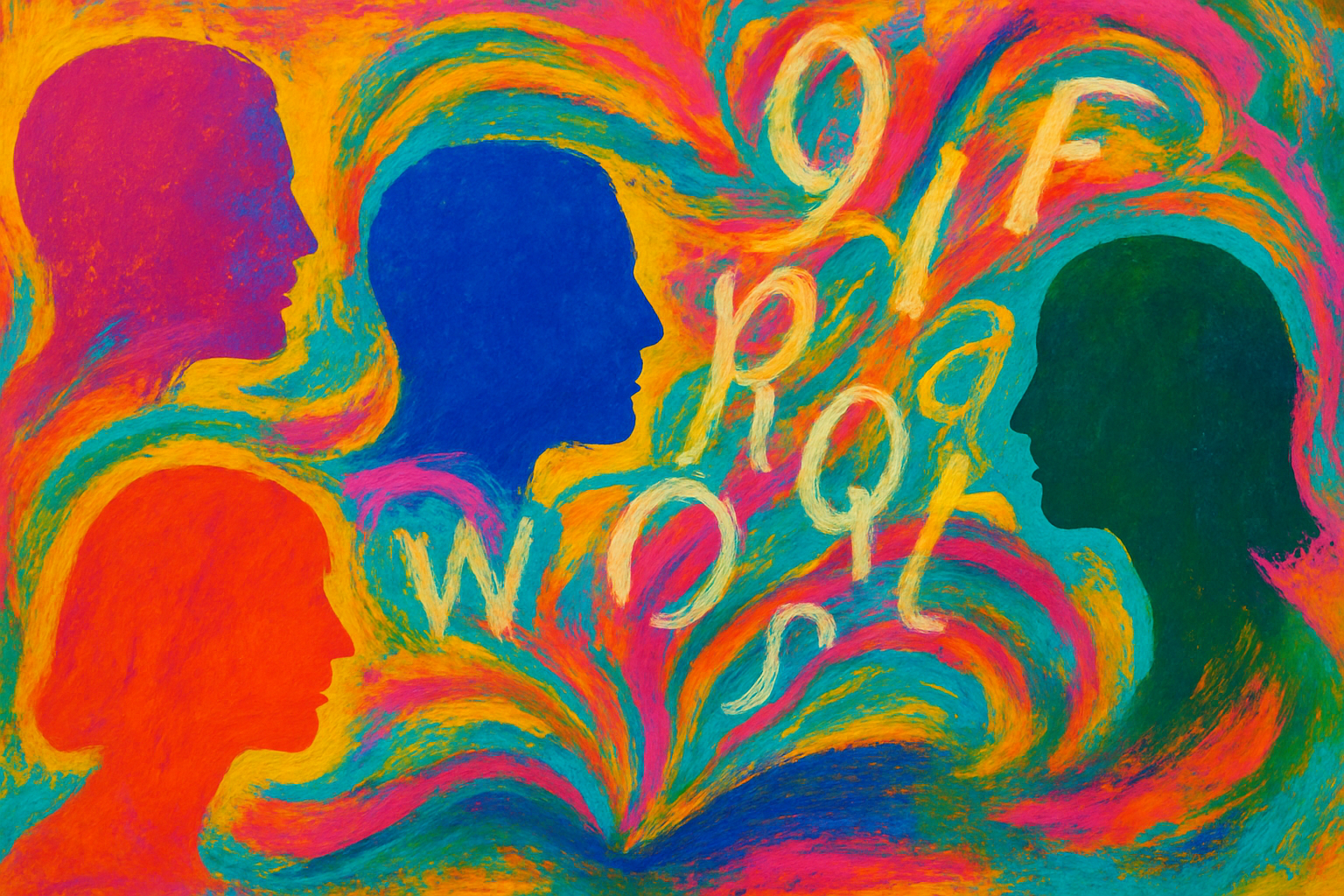
Every so often a single word reemerges from the deep well of the English language and reminds us why our vocabulary is worth preserving. It happened to me this week when an email from a retired attorney used a word I had not seen in years. It landed with the same weight and clarity it carried the first time I heard it, back when voices like Dennis Miller peppered their commentaries with unexpected linguistic gems. The word was plight, a simple but commanding term that captures struggle in its purest form. It speaks of a difficult or unfortunate situation, the kind of hardship that shapes a person or a community. It is a word with backbone, a word that carries the quiet dignity of survival.
There are many words like this tucked into the corners of our language. They are not archaic. They are not antique curiosities. They are simply underused. They wait patiently until a thoughtful writer or speaker retrieves them, dusts them off and sets them into motion again. For journalists these words exist like tools in a well worn drawer. We may not reach for them every day, but we know their weight and purpose. When the moment is right, they sharpen our meaning with an accuracy that the more common choices cannot rival.
Consider the word dolt, another example of a term that once appeared with regularity in essays, books and commentary. It describes someone acting foolishly or without sense. While the word is far from gentle, it is so rarely heard today that its reappearance can feel almost refreshing in its candor. It makes its point without vulgarity or excess. It conveys exasperation without resorting to the crude language that has become so common in public discourse. In a time when communication moves fast and attention spans move even faster, these quieter, sharper words have the power to slow the reader down and remind them of the richness of the language they carry.
The English language is packed with such treasures. Some have fallen out of fashion. Others are simply overshadowed by modern expressions that trade efficiency for depth. Yet when these forgotten words are pulled into the present they add texture to the stories we tell. They give shape to emotion and circumstance with a precision that broad terms cannot deliver. They stand as reminders that language, when used thoughtfully, can elevate understanding rather than dilute it.
When a reader encounters one of these underused words it can do more than define a moment. It can spark curiosity. It can send someone searching for meaning, for history, for context. It can reconnect us to a time when vocabulary was not merely functional but expressive, when writers chose their words not only to communicate but to resonate. That resonance matters. It is part of what makes journalism an art as well as a craft.
So, when a word like plight appears unexpectedly in an email, it is worth pausing to appreciate the small moment it creates. It is a reminder that clarity, depth and precision still have a place in our crowded language. It is a reminder that our words, even the ones we seldom use, have power. And it is a reminder that for those of us who work with language every day, these quiet giants of vocabulary are still waiting, ready to bring meaning into sharp focus when we choose to reach for them again.