


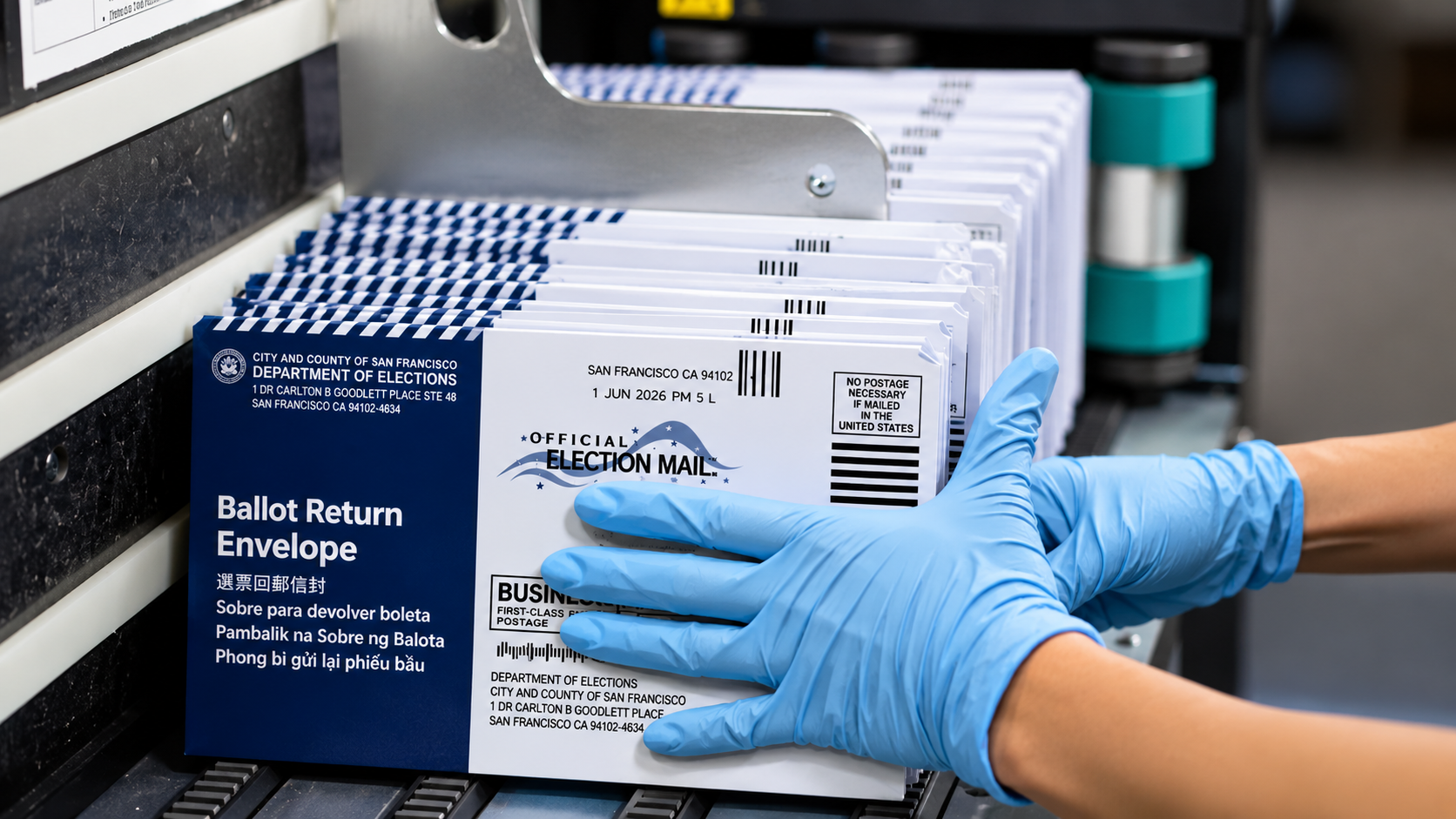
More than 31,000 ballot signature challenges remained unresolved across Oregon as of November 16, leaving thousands of voters with less than a week to correct problems that could prevent their votes from being counted in the November 3 general election. With the November 24 deadline approaching, election officials are urging affected residents, including voters throughout Southern Oregon, to complete the required verification process before their ballots are excluded from the final election totals.
Oregon Secretary of State Tobias Read issued the statewide reminder Tuesday following the release of figures showing that county election offices had challenged 37,982 ballot envelope signatures during the general election. Of those challenges, 31,668 involved signatures that did not match voter registration records, while another 6,314 involved ballot envelopes returned without signatures.
As of November 16, election officials reported that 6,520 signature challenges had been resolved, representing approximately 17.2 percent of the statewide total. The remaining 31,462 challenges accounted for nearly 83 percent of the original cases, although additional corrections may have been completed since those figures were reported.
The approaching deadline carries consequences beyond whether an individual ballot will be included in the November election. Voters who fail to resolve certain signature challenges also face having their voter registrations placed on inactive status, requiring additional action before they can receive ballots in future elections.
“State and county elections officials take great care to make sure only eligible Oregonians vote in our elections. Challenged ballot signatures are a sign that the system is working as intended to keep Oregon’s elections safe, accurate, and fair,” Read said in the announcement.
“I want every eligible Oregonian who cast a ballot this November to have their voice heard, so if you received a notice that your ballot signature was challenged, contact your county elections office and verify your identity now.”
The statewide figures place Oregon’s ballot verification procedures at the center of the final weeks of election administration, as county officials continue processing eligible ballots and preparing results for certification in December.
Under Oregon Revised Statute 254.470, county election workers must examine the signature on each returned ballot envelope and compare it with the signature maintained in the voter’s registration record. The verification requirement applies to returned ballot envelopes throughout Oregon’s vote-by-mail election system, including those submitted through official drop boxes and those delivered through the postal service.
A ballot envelope may be challenged when the signature is missing or when election officials determine that it does not sufficiently correspond with the signature maintained in the registration file. The challenge does not establish that a voter attempted to cast an illegal ballot or committed election fraud. It indicates that the required identity verification has not been completed.
Oregon law provides voters with an opportunity to resolve those problems before their ballots are permanently excluded from the election count. Under Oregon Revised Statute 254.431, county election officials notify affected voters and provide instructions for correcting the signature issue. The correction period extends 21 calendar days beyond Election Day.
The procedure is particularly significant for residents of Josephine, Jackson, Douglas and Klamath counties, where voters face the same statewide deadline and statutory requirements as those in Oregon’s larger metropolitan counties.
Although the Secretary of State’s announcement identified the total number of challenged signatures statewide, it did not provide a breakdown showing how many originated in Southern Oregon. Consequently, the number of affected voters in Grants Pass, Medford, Roseburg, Klamath Falls and surrounding communities has not been established in the statewide figures.
County election offices remain responsible for notifying affected residents, reviewing submitted corrections and determining whether challenged ballots satisfy Oregon’s election requirements. Southern Oregon voters who believe their signatures may have been challenged can contact their county elections offices directly to determine whether additional verification is necessary.
The potential consequences of failing to respond extend into subsequent election cycles. Oregon law provides for inactive registration status when certain signature verification problems remain unresolved after the statutory correction period.
Under Oregon Revised Statute 247.281, election officials must provide applicable notices concerning inactive voter registration and the procedures available to restore active status. An inactive registration does not permanently eliminate a person’s eligibility to vote, but it can interrupt the automatic delivery of future ballots until the voter completes the necessary steps.
The Secretary of State’s announcement identified inactive registration as a consequence of unresolved signature challenges. Oregon’s statutory provisions specifically address nonmatching signatures, while the treatment of unsigned ballot envelopes is governed by the applicable election procedures.
Oregon also maintains electronic ballot-status services that allow residents to monitor the processing of their returned ballots. The Secretary of State’s MyVote system provides information about ballot receipt, while participating county ballot-tracking services can provide additional notifications concerning ballot processing and acceptance.
Residents enrolled in ballot notification programs may receive electronic alerts when their ballot status changes. Those services supplement the written notifications issued by county election offices and provide another opportunity to identify problems before the correction deadline expires.
A ballot’s arrival at an elections office does not, by itself, establish that the ballot has been accepted for counting. Signature verification remains a separate requirement, making the difference between ballot receipt and ballot acceptance important for voters monitoring their election status.
The November 24 deadline also falls within Oregon’s broader election certification schedule.
Election Day was November 3, followed by the November 10 deadline for county offices to receive qualifying ballots mailed on or before Election Day. Statewide certification is scheduled for December 10.
During the interval between Election Day and certification, county officials continue completing required election procedures, reconciling ballot records and incorporating ballots that become eligible for counting through the permitted correction process.
The number of challenged ballots that ultimately remain excluded will not be established until the correction period concludes and election officials complete the necessary processing. The November 16 figures represent an interim count rather than a final determination of rejected ballots.
Likewise, the existence of thousands of outstanding signature challenges does not establish that any particular election contest will change. The political impact of outstanding ballots depends on the number that become eligible for counting, the contests in which those voters participated and the margins separating candidates.
For Southern Oregon, where county and statewide races appeared on November ballots, the remaining verification period is part of the process that determines the final certified totals. No county-specific figures accompanied the Secretary of State’s announcement that would establish the number of unresolved challenges in individual Southern Oregon election contests.
Oregon’s procedures also operate within the broader framework of American election administration. The U.S. Election Assistance Commission recognizes signature verification and ballot correction procedures as components of mail-ballot processing, although individual states establish their own requirements and deadlines.
The federal agency collects election administration information through its Election Administration and Voting Survey, including data concerning mail voting, ballot processing and election procedures. Such information provides a basis for evaluating election administration practices across states, but final comparative figures for the 2026 general election are not yet available.
Oregon’s 37,982 signature challenges cannot presently be characterized as an increase or decrease from previous general elections without comparable historical figures. The Secretary of State’s announcement also did not provide the total number of ballots cast statewide, preventing a verified calculation of the percentage of all returned ballots affected by signature challenges.
What the latest figures establish is that tens of thousands of ballot envelopes entered the verification process during November’s general election, with most challenges still unresolved as of the November 16 reporting date.
For residents across Southern Oregon, the remaining days before November 24 provide the final statutory opportunity to correct a challenged signature and potentially have an otherwise eligible ballot included in the election results.
Voters in Josephine, Jackson, Douglas and Klamath counties who have received signature challenge notices must work with their respective county elections offices to complete the required verification. Residents uncertain about their ballot status can use Oregon’s official election services or contact their county elections officials for assistance.
With statewide certification scheduled for December 10, Oregon’s election administration process continues beyond the initial reporting of election results. The remaining signature corrections will help determine the final number of ballots accepted for counting, while unresolved challenges will be handled under the state’s election laws.