


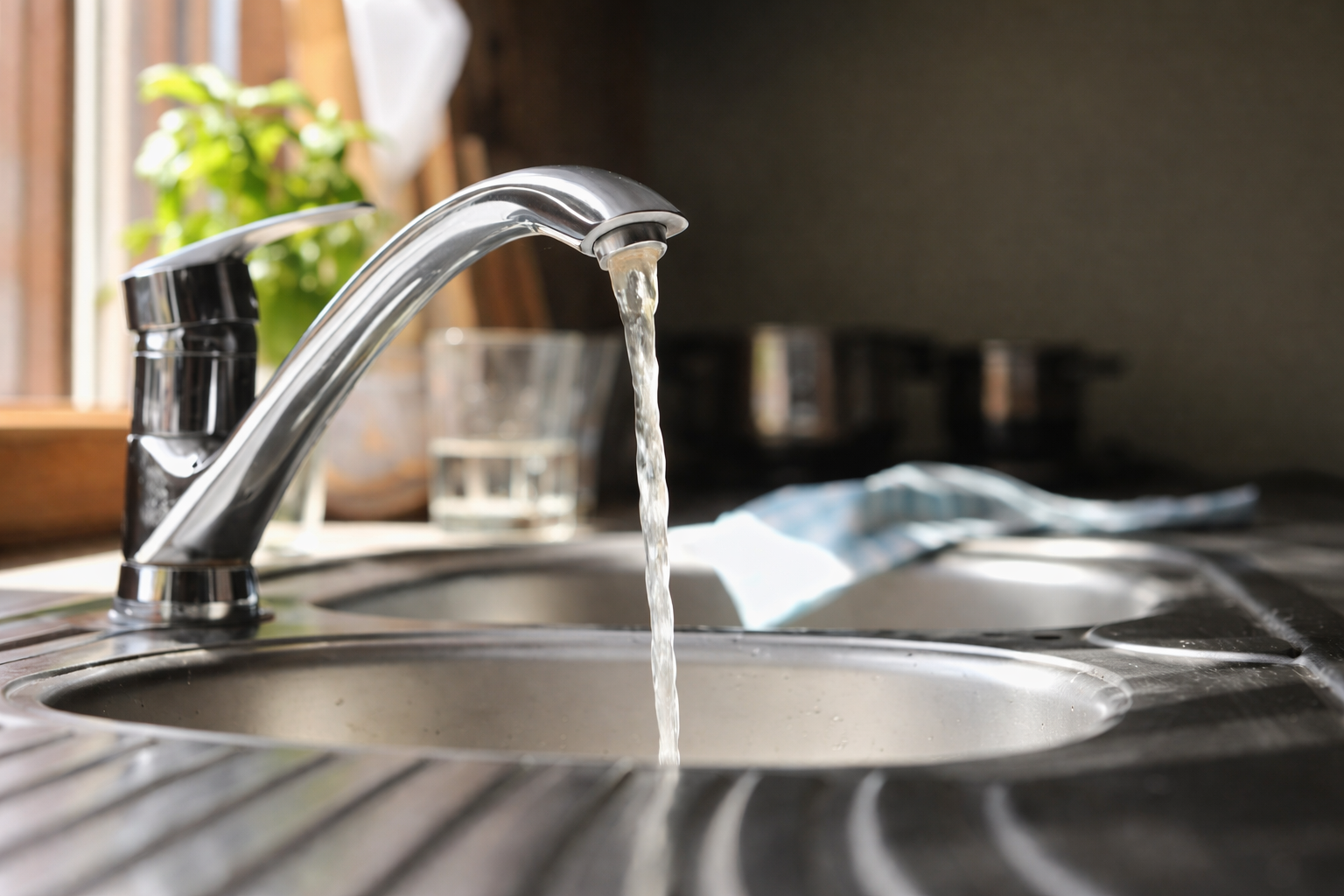
For some Southern Oregon residents, turning on the kitchen faucet has recently come with an unexpected and unsettling surprise: a sharp smell resembling pet or dog urine. The odor can be alarming, prompting fears of contamination or plumbing failure. While the smell is unpleasant, experts say the cause is often far less dramatic than it seems, though it should never be ignored.
In many homes across the region, especially those relying on private wells, odor issues are tied to naturally occurring conditions underground rather than anything entering the water from the surface. Groundwater in Southern Oregon passes through diverse soils and rock formations, some of which contain organic material or nitrogen-based compounds. When certain bacteria interact with these materials, they can produce ammonia-like byproducts that closely resemble the smell of urine. This does not necessarily mean the water is unsafe, but it does indicate that biological activity is occurring within the well system.
Another common factor is nitrogen contamination. Wells located near septic systems, livestock areas, or fertilized fields may pick up elevated levels of ammonia or nitrates. These compounds are odorless on their own, but when combined with bacteria or chemical reactions in household plumbing, they can create strong, sharp smells at the tap. While adults may notice only the odor, high nitrate levels can pose health risks, particularly for infants and vulnerable individuals, making testing an important precaution.
Sometimes the issue is not the well itself but what happens once the water enters the home. Water heaters can intensify odors, especially if the smell is strongest from the hot water tap. Inside the heater, naturally occurring bacteria can react with minerals or metal components, producing smells that are easily mistaken for something more serious. In these cases, the cold water may smell normal while the hot water does not, offering a clue to the source of the problem.
Household plumbing can also play a role. Water that sits unused in pipes overnight can develop odors that disappear after the tap runs for a short time. Faucet aerators and drains can harbor biofilm buildup, which may release unpleasant smells even when the water itself is clean. These localized issues are often easy to address with cleaning and routine maintenance.
For residents who notice a persistent urine-like smell in their drinking water, the best response is calm investigation rather than panic. Determining whether the odor affects hot water, cold water, or both can help narrow the cause. Regular water testing, especially for private well owners, remains one of the most reliable ways to ensure safety and peace of mind.
In the end, a strange smell from the tap is often a signal rather than a crisis. It may point to harmless natural processes, or it may be an early warning that a system needs attention. Either way, paying attention to changes in water odor helps protect both household comfort and community health across Southern Oregon.