


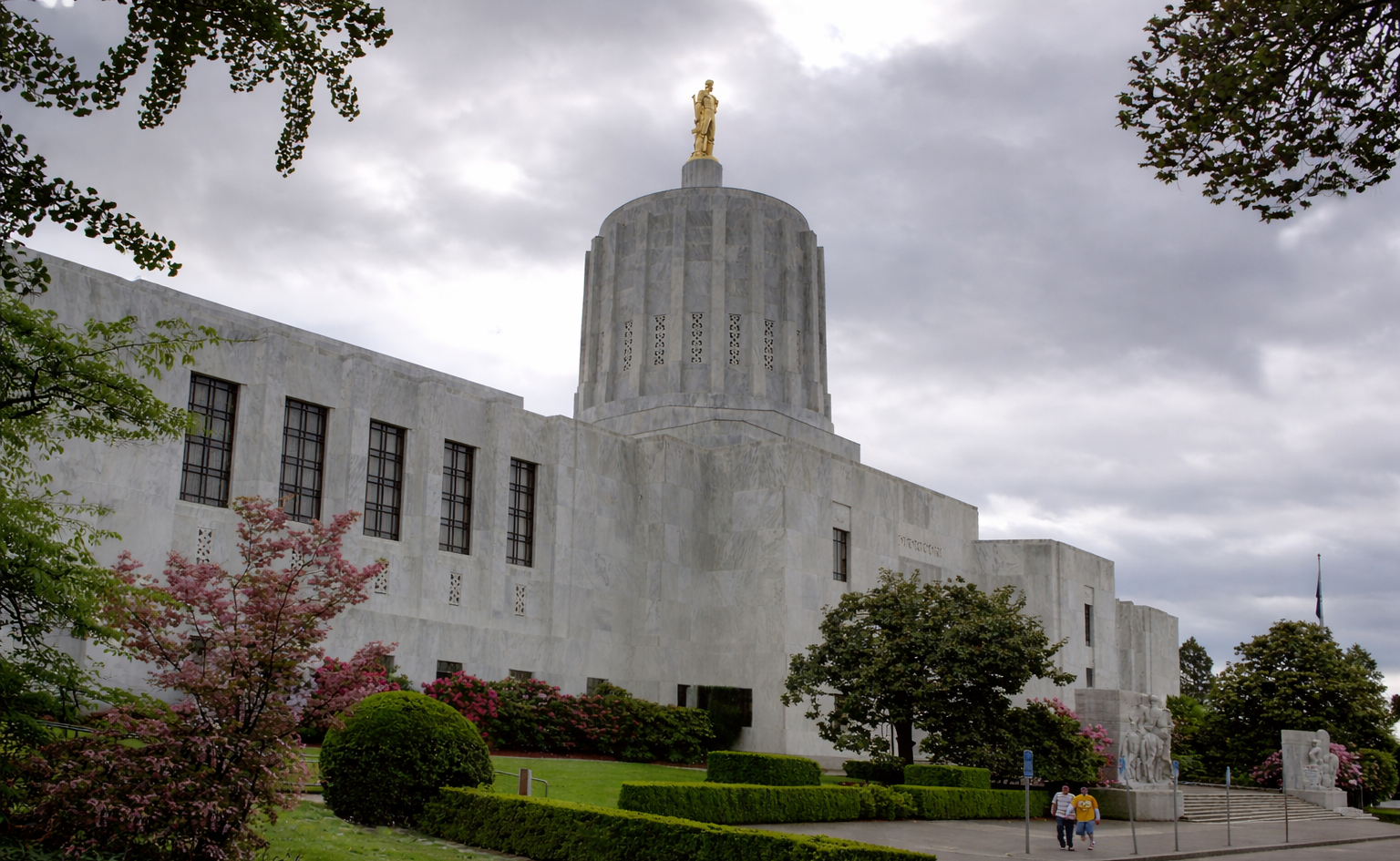
A newly released annual report from the Oregon Secretary of State details how tips submitted through Oregon’s State Government Waste Hotline led auditors to identify nearly $3 million in questioned public spending during 2025, offering a window into how the state monitors potential misuse of taxpayer dollars.
The state’s internal watchdog system recorded a modest rise in complaints last year, and with it, nearly $3 million in spending flagged for further scrutiny.
According to the newly issued annual Government Waste Hotline report from the Oregon Secretary of State’s Office, 219 reports were submitted in 2025 alleging potential misuse of public funds or state resources. Those reports ultimately led auditors to identify $2,900,856 in questioned costs across various state agencies and programs.
The hotline, which has been in operation since 1995, is managed by the Audits Division within the Secretary of State’s Office. It allows both state employees and members of the public to file complaints anonymously if they suspect waste, fraud, or abuse involving taxpayer dollars. Each submission is reviewed under statutory guidelines to determine whether it warrants investigation, referral, or closure.
The term questioned costs does not necessarily indicate confirmed wrongdoing. In auditing practice, it refers to expenditures that may not comply with state law, administrative rules, or the specific terms attached to grants and contracts. In some cases, questioned costs are resolved through additional documentation or clarification. In others, agencies may be required to implement corrective measures or repay funds.
The 219 reports received in 2025 represent a slight increase from the prior year but remain below the state’s ten-year average of 253 complaints annually. All cases opened during the year were closed before the end of 2025, according to the report submitted to the Legislature.
The report comes during the first full year of oversight under Tobias Read, who implemented a revised internal review process for evaluating hotline submissions. The updated structure includes a review panel composed of agency subject matter experts, intended to strengthen consistency in determining which allegations move forward for deeper examination.
State law requires the Secretary of State’s Office to provide lawmakers with an annual summary detailing the number of hotline reports received, their general nature, and how each was resolved. The document does not name individual complainants and typically does not identify specific employees involved in allegations unless formal audit findings have already been made public.
Oregon’s Audits Division conducts routine performance and financial audits across state government, but hotline complaints can prompt additional targeted reviews. Such complaints may involve procurement practices, grant management, payroll issues, misuse of state equipment, or other fiscal concerns.
Although $2.9 million represents a small portion of Oregon’s overall state budget, the figure reflects spending that auditors determined required closer examination under existing rules. Whether those questioned costs ultimately result in recovered funds, policy changes, or administrative corrections varies case by case.
The hotline’s activity levels can fluctuate year to year depending on public awareness, agency training, and broader state spending trends. Even so, it remains one of the formal channels through which concerns about government accountability are documented and reviewed.
The 2025 report offers a statistical snapshot rather than a sweeping indictment of any single agency. Its significance lies less in the headline dollar amount and more in the continued use of an oversight mechanism designed to identify potential problems before they grow larger.