


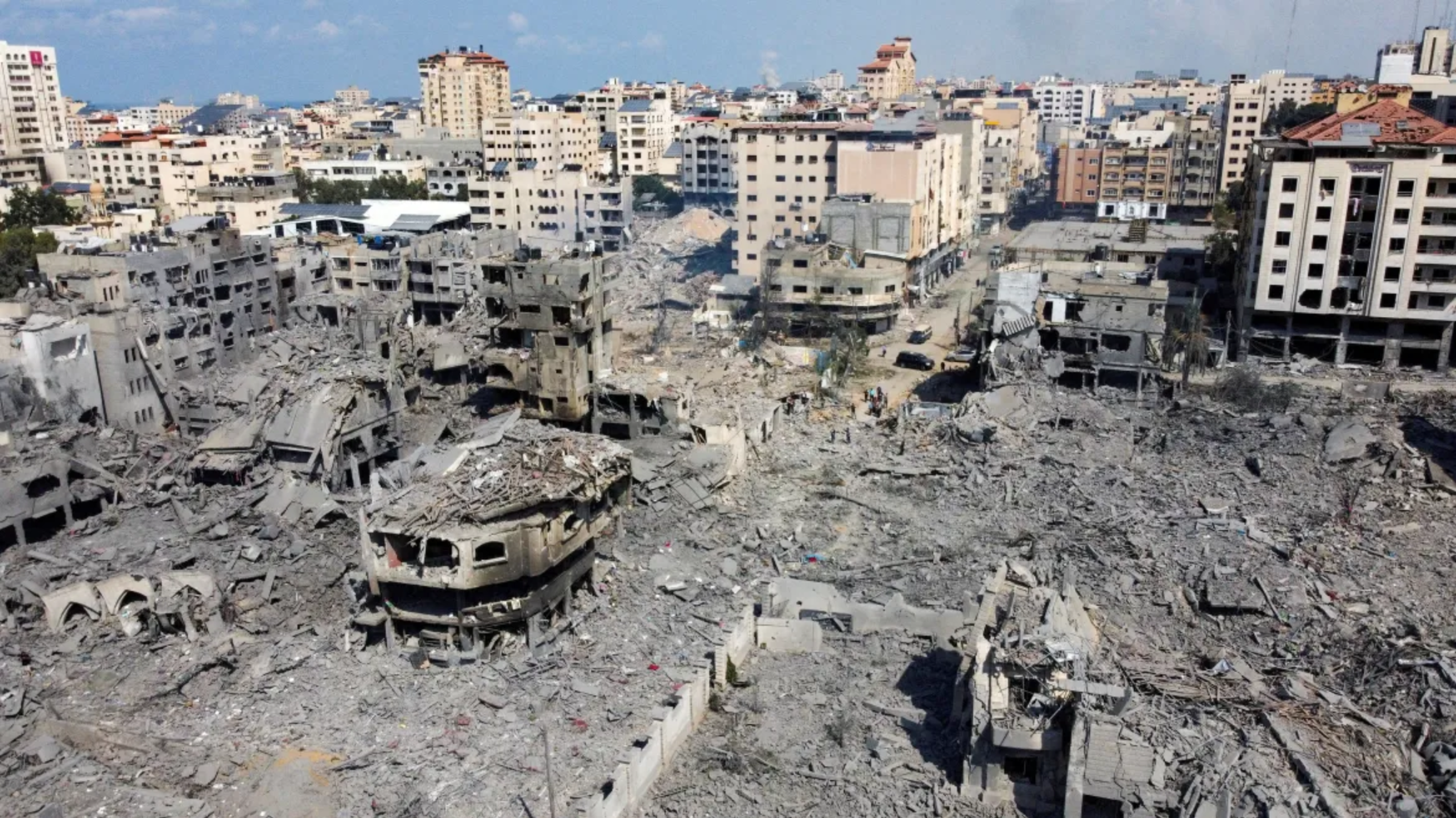
The first five days of a rapidly expanding military confrontation between Iran, the United States, and Israel have produced widespread destruction and a growing humanitarian crisis inside Iran, as casualty figures continue to climb following a wave of airstrikes that began over the weekend.
According to data compiled by the Human Rights Activists News Agency, a U.S.-based organization that tracks political and human rights conditions inside Iran, more than 1,000 civilians have been killed since the attacks began early Saturday morning. The monitoring group reported that at least 1,097 civilian deaths had been documented in the opening phase of the conflict, with more than 5,000 people injured across multiple cities and regions of the country.
The group’s casualty reports indicate that children have been heavily affected. At least 181 of those killed were identified as children younger than ten years old. Human rights monitors say the numbers remain preliminary and could change as information continues to emerge from affected areas where communications and access remain limited.
The air campaign reportedly began with a coordinated series of large-scale strikes targeting locations throughout Iran, including government facilities, military command centers, and security infrastructure. Analysts who track military operations in the region say the opening phase of the strikes appeared designed to disrupt Iran’s command structure and weaken its ability to coordinate military responses.
Among the most significant developments reported during the first hours of the strikes was the death of Iran’s Supreme Leader, Ayatollah Ali Khamenei. Iranian state media later confirmed that the longtime leader had been killed during the bombardment, along with several senior military and political officials. The loss of the country’s most powerful political and religious authority has created uncertainty within Iran’s leadership structure as the conflict continues.
The strikes have hit numerous areas across the country, including densely populated urban regions. Emergency crews and rescue teams have been working through damaged buildings and collapsed structures as hospitals attempt to treat thousands of injured civilians. Humanitarian groups warn that casualty numbers could continue to rise as rescue operations reach additional areas impacted by the bombing.
Officials in Washington have acknowledged that U.S. military forces are actively involved in operations connected to the strikes. Pentagon briefings indicate that American aircraft, naval forces, and intelligence systems have supported the broader campaign alongside Israeli forces. U.S. defense officials have also indicated that additional military assets are being positioned in the region as the situation continues to develop.
Naval forces operating in the Persian Gulf have reportedly engaged Iranian military targets during the first days of the conflict. Defense analysts say several Iranian naval assets have been destroyed during confrontations at sea, raising concerns about possible disruptions to international shipping and energy transportation routes.
The conflict has already begun affecting one of the world’s most critical maritime corridors. The Strait of Hormuz, a narrow waterway through which a large portion of the global oil supply passes each day, lies directly adjacent to the areas where naval activity has intensified. Any prolonged disruption to shipping traffic through the strait could have significant implications for global energy markets.
Iran has launched retaliatory missile and drone strikes targeting Israeli territory and locations across the Middle East believed to host U.S. military forces. Several countries in the region have reported activating missile defense systems and increasing security measures around military installations and strategic infrastructure.
The growing exchange of attacks has heightened fears that the conflict could spread beyond the immediate participants. Armed groups aligned with Iran in other parts of the Middle East have issued statements condemning the strikes, while security analysts warn that additional fronts could open if hostilities continue to escalate.
International organizations and humanitarian agencies have begun raising alarms about the humanitarian impact of the fighting. Officials connected to United Nations monitoring efforts have expressed concern about the possibility that civilian infrastructure may have been struck during the bombing campaign. Some reports suggest that residential areas and educational facilities were among the locations damaged during the early stages of the attacks.
Relief organizations are urging all sides involved in the conflict to take steps to protect civilians and allow humanitarian aid to reach affected communities. Medical facilities in several Iranian cities have reportedly been overwhelmed by the influx of injured residents seeking treatment.
The situation remains highly fluid as military operations continue and information from inside Iran gradually emerges. Independent observers caution that casualty figures reported during the first days of the conflict are often revised as rescue efforts expand and additional evidence is collected.
With the death of senior Iranian leadership figures, extensive damage across multiple cities, and retaliatory strikes spreading across the region, the opening phase of the conflict has already reshaped the political and security landscape of the Middle East. Governments and international institutions around the world are closely monitoring developments as the confrontation enters what many analysts believe could become a prolonged and unpredictable phase.