


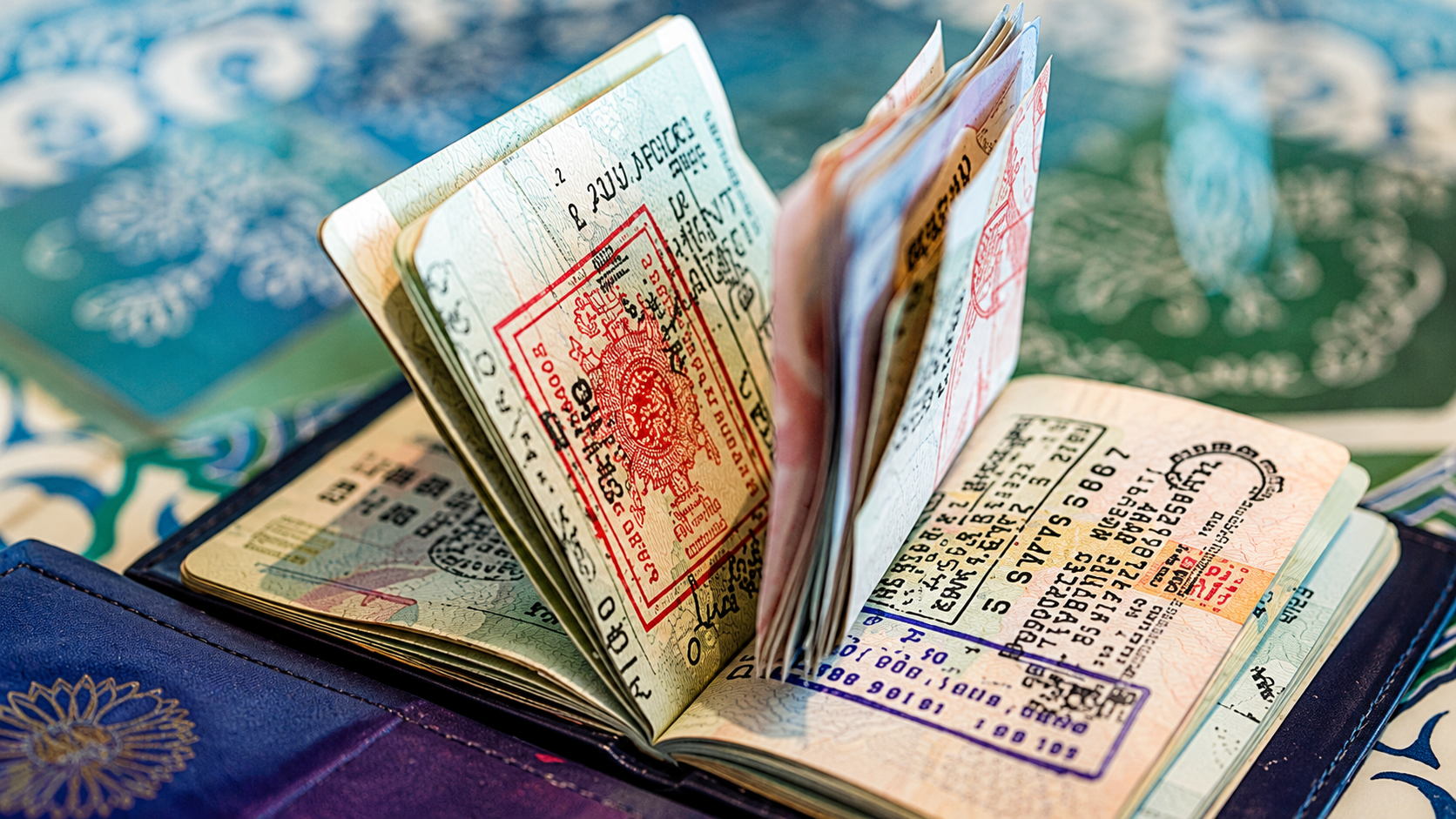
For decades, international travel for most Americans revolved around a simple checklist consisting of a valid passport, airline ticket, and luggage packed for departure. That routine is rapidly changing as governments around the world introduce a growing network of digital entry systems, electronic authorizations, biometric screening measures, and stricter immigration verification policies that are quietly transforming the modern travel experience before passengers even step onto an aircraft.
As summer travel demand surges across the United States, federal agencies and international aviation authorities are warning travelers to prepare for increasingly complex entry requirements that extend well beyond traditional passport inspections. Many countries now require electronic pre-approvals, digital customs registrations, proof of onward travel, accommodation confirmations, or additional documentation tied directly to airline boarding systems. Travelers who fail to complete those steps in advance are increasingly finding themselves denied boarding at U.S. airports despite holding valid passports and purchased tickets.
The shift reflects a broader global restructuring of border management that accelerated following the COVID-19 pandemic and has since evolved into a permanent layer of digital immigration screening. Nations across Europe, Asia, Oceania, the Middle East, and parts of Latin America have expanded the use of Electronic Travel Authorizations, commonly referred to as ETAs, which function as advance permission systems for visitors arriving from visa-exempt countries such as the United States.
Unlike traditional visas issued through embassies or consulates, these systems are typically completed online and connected electronically to a traveler’s passport. Applications often require passport scans, personal information, travel itineraries, criminal history disclosures, and processing fees before approval is granted. In some destinations, approvals may arrive within minutes, while others can take several days, creating complications for travelers booking last-minute international flights.
The United Kingdom has already implemented its ETA program for many incoming foreign travelers, while Europe continues preparing for the launch of the ETIAS screening system covering much of the Schengen travel region. Australia and New Zealand have operated similar systems for years, and additional countries continue moving toward digital pre-clearance programs as governments attempt to tighten border monitoring while streamlining airport processing.
Airlines themselves have become frontline enforcement agencies in this new system. International carriers now rely heavily on global immigration databases that instantly verify whether passengers possess the proper travel approvals before boarding passes are issued. Travelers missing required documentation may never reach customs overseas because airline systems can automatically block boarding during check-in procedures.
Another growing issue affecting American travelers involves proof of onward travel requirements, which are being enforced more aggressively in multiple countries this year. Travelers entering foreign nations on one-way tickets may be required to provide evidence that they intend to leave the country before their authorized stay expires. Return airline tickets, cruise reservations, or confirmed departure itineraries are increasingly requested by both airlines and immigration officials.
The trend is especially noticeable in tourism-heavy regions where governments are attempting to reduce visa overstays and undocumented residency. Travelers visiting parts of Southeast Asia, Central America, and South America have reported heightened scrutiny surrounding onward travel documentation, particularly among budget travelers, digital nomads, and passengers using flexible one-way itineraries.
Passport validity rules are also emerging as a major source of confusion for travelers. Many Americans remain unaware that several countries require passports to remain valid for at least six months beyond the date of entry. A passport that appears valid to the traveler may still fail to meet entry standards abroad, creating situations where passengers are turned away before departure.
Federal officials are also encouraging travelers to prepare for increased use of biometric identity systems and digital customs processing at airports worldwide. Facial recognition checkpoints, automated passport gates, and electronic arrival declarations are becoming standard infrastructure at major international hubs as governments continue modernizing border security operations.
The result is a travel environment where preparation increasingly determines whether a trip begins smoothly or ends at the departure gate. International travel now involves layers of digital verification that did not exist for previous generations of travelers, placing greater responsibility on passengers to understand the rules of each destination long before leaving home.
For millions of Americans planning vacations, cruises, business travel, or international family visits this summer, the changing landscape serves as a reminder that modern travel documents now extend far beyond the passport itself.