


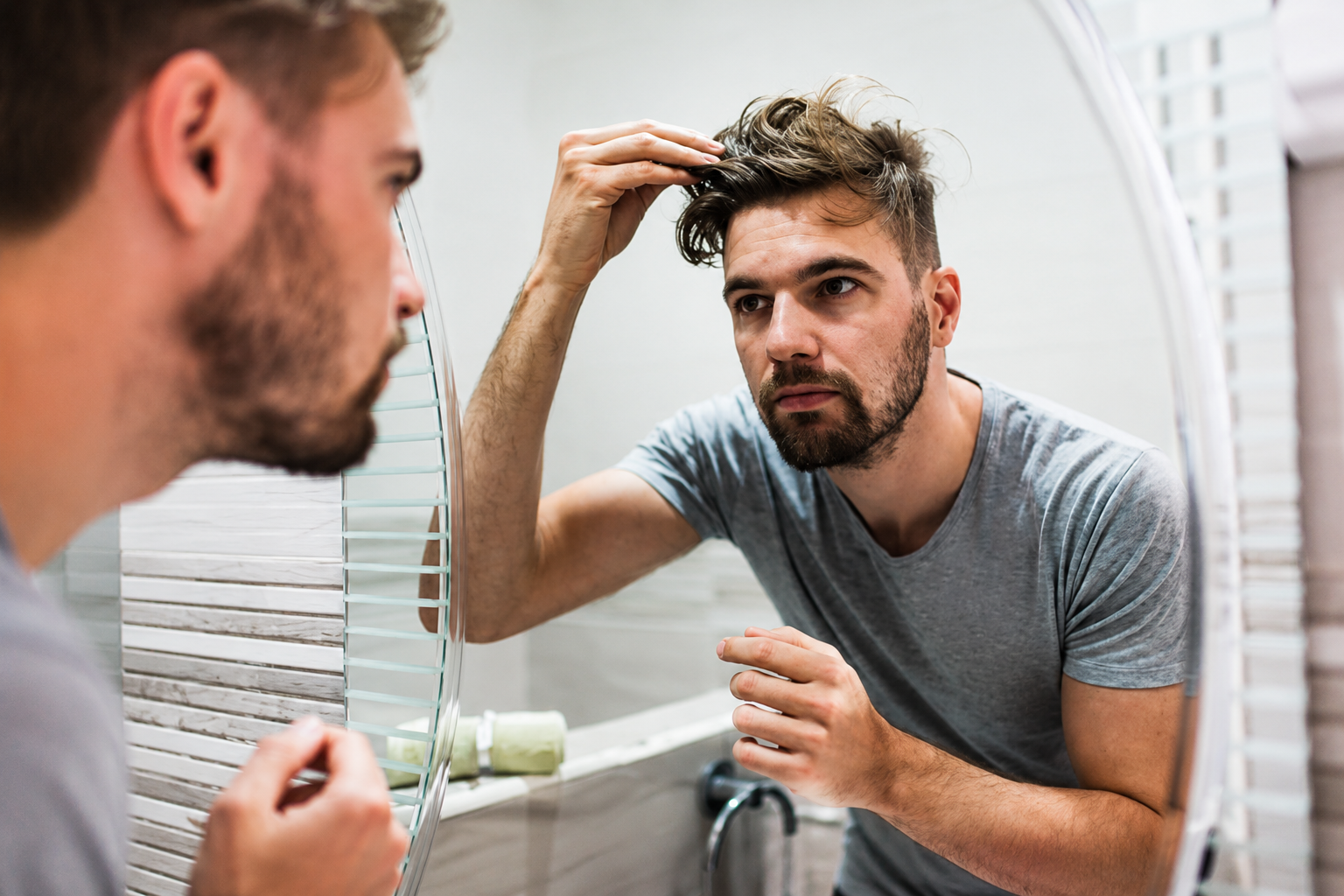
For many people, acne is something associated with the face, shoulders, or back. Yet a growing number of adults are discovering another frustrating skin issue hiding beneath their hair: scalp pimples. Often referred to as “head pimples,” these small bumps can range from mildly irritating to painful and persistent, leaving many wondering why they continue to appear and what can be done to prevent them.
Health professionals describe most scalp pimples as a form of folliculitis, a condition that occurs when hair follicles become inflamed. The scalp contains thousands of follicles and oil-producing glands, creating an environment where excess oil, sweat, dead skin cells, bacteria, and yeast can accumulate. When these follicles become blocked or irritated, red bumps resembling acne can develop across the scalp.
The problem can affect individuals of any age, although adults often report outbreaks that seem to appear without warning. In Southern Oregon, where summer temperatures can rise quickly and outdoor recreation is a way of life, factors such as heat, perspiration, and prolonged use of hats, helmets, and head coverings can contribute to scalp irritation. Activities such as hiking, rafting, construction work, farming, landscaping, and outdoor sports can increase sweat production, creating conditions that may encourage clogged follicles.
Hair care products can also play a role. Heavy styling creams, pomades, oils, waxes, and certain shampoos may leave residue on the scalp. Over time, this buildup can combine with naturally produced oils and dead skin cells, increasing the likelihood of follicle blockage. Individuals who use multiple styling products throughout the week may unknowingly create conditions that encourage scalp breakouts.
Another common contributor is dandruff and scalp inflammation. When excessive flaking is present, a naturally occurring yeast found on the skin may contribute to irritation and redness. In some cases, what appears to be acne may actually be related to an inflammatory scalp condition rather than traditional acne itself.
Stress is also believed to influence outbreaks. During periods of heightened stress, the body may produce additional hormones that stimulate oil production. While stress alone does not directly cause scalp pimples, it can create conditions that make outbreaks more likely in susceptible individuals.
Experts generally recommend focusing on scalp hygiene and reducing factors that may contribute to irritation. Regular washing, particularly after heavy sweating, can help remove excess oil and debris before follicles become clogged. Individuals who frequently wear hats or helmets may benefit from cleaning those items regularly to reduce the accumulation of sweat and bacteria.
Specialized shampoos containing ingredients such as salicylic acid, zinc pyrithione, or ketoconazole may help some individuals manage oily scalp conditions, dandruff, and inflammation. These products are designed to address common factors associated with scalp irritation while helping maintain a healthier scalp environment.
Another important step is avoiding the temptation to scratch, pick, or squeeze scalp bumps. While doing so may seem harmless, it can worsen inflammation, introduce additional bacteria, and increase the risk of infection or scarring. In more severe cases, repeated trauma to the scalp can damage hair follicles and contribute to localized hair loss.
Pillowcases, bedding, and hairbrushes should also be cleaned regularly. These items can accumulate oils, skin cells, and environmental contaminants that may contribute to recurring scalp issues over time.
Although most scalp pimples are manageable, some situations warrant medical evaluation. Persistent outbreaks, painful lesions, large boils, draining sores, or areas of hair loss may indicate a more serious condition requiring professional treatment. Healthcare providers can determine whether bacterial infections, fungal conditions, autoimmune disorders, or other underlying factors are involved.
As temperatures continue to rise across Southern Oregon and outdoor activities increase throughout the summer months, maintaining a healthy scalp may require the same attention often given to facial skin care. Understanding the causes of scalp pimples and taking practical preventive measures can help reduce discomfort, improve scalp health, and prevent minor irritation from becoming a more significant problem. For many individuals, small adjustments in daily habits may be enough to keep these hidden skin concerns under control and improve overall wellness from the top down.