


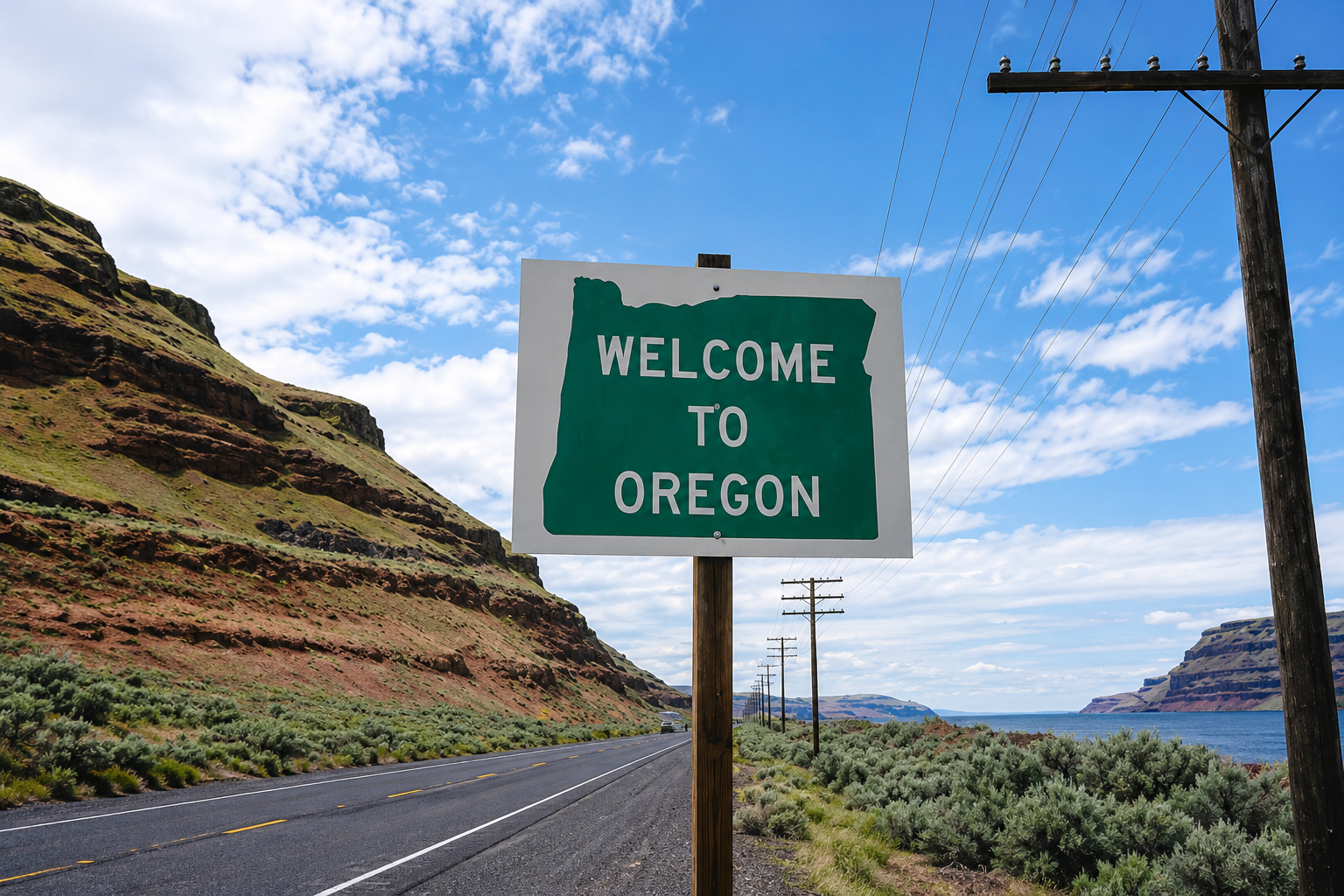
As summer travel season begins across Oregon, state lawmakers continue grappling with a growing transportation funding challenge that could have long-term implications for residents, businesses, and visitors throughout Southern Oregon. While families prepare for vacations, weekend camping trips, and increased travel across the region, policymakers in Salem are facing difficult decisions about how to maintain the roads, bridges, and transportation systems that connect communities statewide.
For decades, Oregon has relied heavily on fuel taxes, vehicle registration fees, title fees, and other transportation-related charges to fund highway maintenance and infrastructure projects. That system has historically provided a dependable source of revenue for the Oregon Department of Transportation and local governments responsible for maintaining thousands of miles of roads and bridges.
However, transportation officials have increasingly warned that the traditional funding model is no longer generating enough revenue to keep pace with rising costs. Advances in vehicle technology have led to improved fuel efficiency, meaning motorists are purchasing less gasoline even as they continue driving similar distances. At the same time, electric vehicle ownership continues to grow across Oregon, further reducing fuel tax collections that have long supported transportation programs.
The challenge extends beyond declining fuel tax revenues. Construction costs have increased substantially in recent years as inflation has affected labor, equipment, fuel, steel, concrete, asphalt, and other materials necessary for infrastructure projects. Transportation agencies throughout the state now face higher expenses for projects that were originally planned and budgeted years ago.
For Southern Oregon residents, the debate unfolding in Salem carries particular importance. The region depends heavily on reliable transportation networks for commerce, tourism, agriculture, public safety, and everyday travel. Interstate 5 serves as a critical economic corridor connecting local communities to the rest of Oregon and the West Coast, while numerous state highways provide access to rural towns, recreational destinations, and business centers throughout Josephine, Jackson, Douglas, and Klamath counties.
Summer is traditionally one of the busiest travel periods of the year. Visitors travel to destinations such as the Oregon Caves, Crater Lake National Park, the Rogue River, and communities throughout Southern Oregon. Tourism generates significant economic activity for hotels, restaurants, retailers, campgrounds, and outdoor recreation businesses. Reliable transportation infrastructure plays a direct role in supporting that seasonal economic activity.
At the same time, many households are operating within increasingly tight budgets. Rising costs for housing, groceries, insurance, utilities, and fuel have left many families carefully evaluating travel plans and discretionary spending. While many Oregonians still intend to travel this summer, economic uncertainty continues to influence consumer decisions.
State leaders have explored various proposals aimed at addressing transportation funding shortfalls, including adjustments to fuel taxes, registration fees, road-user charges, and other revenue mechanisms. Those discussions have generated significant public interest as lawmakers attempt to balance infrastructure needs with concerns about affordability for residents and businesses.
Transportation officials have cautioned that failing to identify sustainable long-term funding solutions could eventually lead to delayed maintenance projects, reduced services, and growing infrastructure backlogs. Conversely, any future funding increases would likely affect motorists, businesses, and consumers already facing economic pressures.
For now, the debate remains unresolved. As lawmakers continue searching for answers, Southern Oregon residents are watching closely. The decisions made in Salem over the coming months will influence not only the condition of highways and bridges but also the future costs, reliability, and accessibility of transportation systems that remain essential to the region’s economy and quality of life.