


A dispute over something as ordinary as a license plate has developed into one of the most closely watched legal battles in Oregon, raising constitutional questions that could influence how state government and federal agencies work together for years to come. While the case centers on undercover vehicle registrations, its outcome could shape the limits of state authority, the reach of federal power and the future of law enforcement cooperation throughout Oregon, including communities across Southern Oregon.
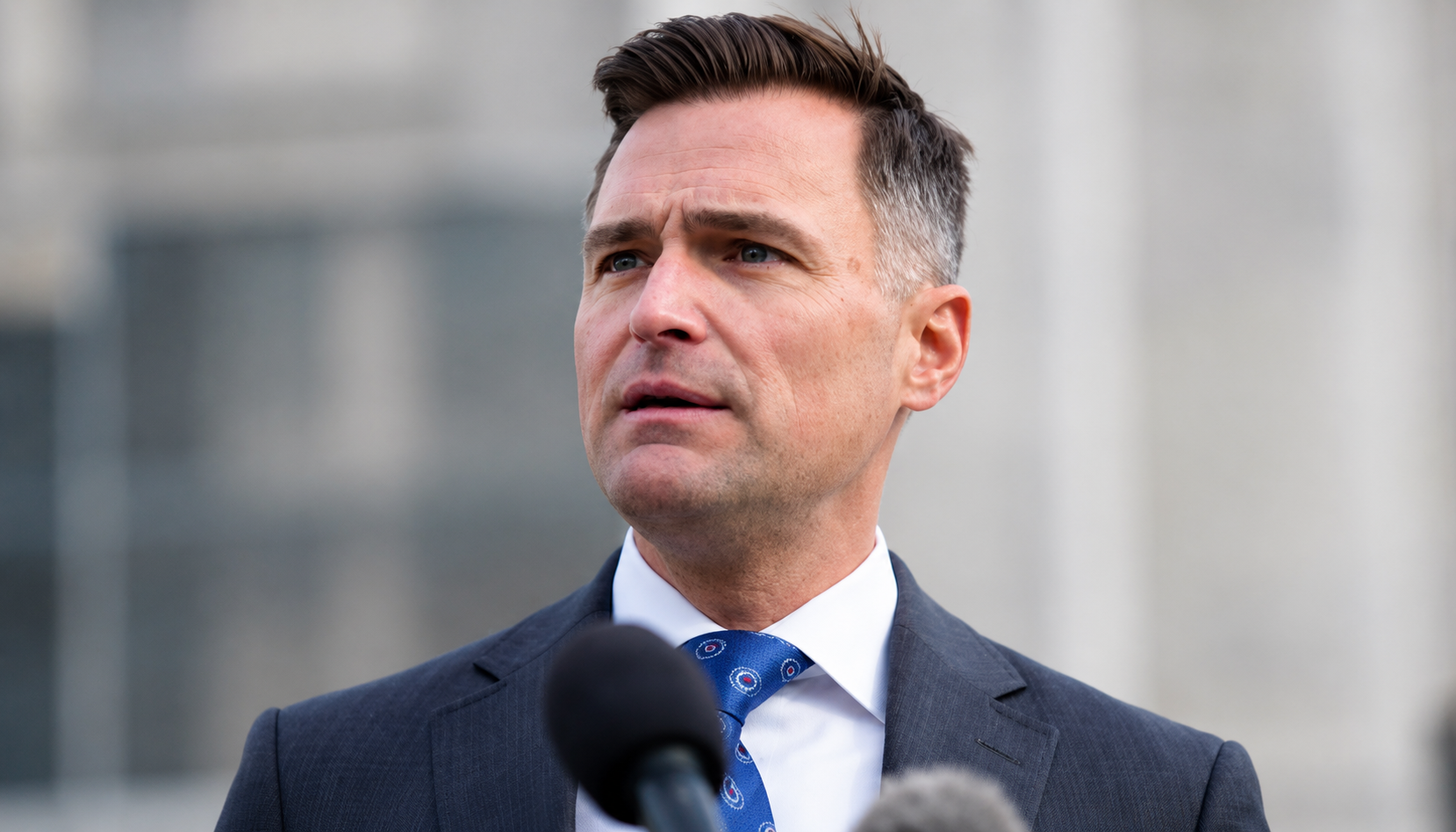
Oregon Attorney General Dan Rayfield has asked a federal court to dismiss a lawsuit filed by the U.S. Department of Justice after the state halted the issuance of new undercover license plates to certain federal agencies while officials reviewed whether the practice complies with Oregon law. The motion represents the latest chapter in an expanding series of legal disputes between Oregon and the federal government over the balance of constitutional authority.
At the heart of the lawsuit is Oregon’s administration of its own vehicle registration system. State law allows the Department of Motor Vehicles to issue undercover registrations for law enforcement investigations, but state officials have questioned whether those provisions extend to federal agencies engaged primarily in civil immigration enforcement. That review prompted Oregon to suspend the issuance of new undercover registrations to affected federal agencies while existing registrations remained valid.
According to state officials, roughly 1,260 undercover registrations issued to approximately 45 federal agencies continue to remain active. The current dispute focuses on future applications rather than registrations that have already been approved.
The U.S. Department of Justice argues that Oregon’s decision unlawfully discriminates against federal agencies and violates the Supremacy Clause of the U.S. Constitution, which establishes that federal law takes precedence when conflicts arise between state and federal authority. Federal attorneys contend that undercover license plates are an important investigative tool used in criminal cases involving narcotics trafficking, organized crime, financial crimes, terrorism, human trafficking and other complex investigations. They argue that limiting access to those registrations could make undercover vehicles easier to identify, increasing operational risks and reducing the effectiveness of ongoing investigations.
Oregon’s response rests on a different constitutional principle. In asking the court to dismiss the lawsuit, Attorney General Rayfield argues that the federal government cannot require a state to administer its own programs in a manner dictated by Washington. The filing relies on the long-established anti-commandeering doctrine, which generally holds that the federal government cannot compel states to use their employees or administrative systems to carry out federal objectives. Oregon maintains that it is exercising authority over its own registration program rather than attempting to regulate federal law enforcement activities.
Although the legal arguments focus on constitutional doctrine, the practical effects of the case could eventually extend well beyond Salem. The decision has the potential to establish legal precedent governing how states administer programs that intersect with federal responsibilities. Questions surrounding immigration enforcement, public safety, state resources and administrative authority could all be influenced by the court’s interpretation of where state authority ends and federal authority begins.
For most Oregon residents, including those living throughout Southern Oregon, the litigation is not expected to produce immediate changes to daily life. Driver licensing, vehicle registration services and routine traffic enforcement remain unchanged. Local police departments, county sheriff’s offices and Oregon law enforcement agencies continue to operate under existing state laws and procedures, and the lawsuit does not alter ordinary DMV services available to the public.
The longer-term effects may be more significant for federal agencies conducting investigations within Oregon. If the state’s current policy remains in place while the litigation continues, agencies requiring new undercover vehicle registrations could face additional administrative hurdles depending on how the courts ultimately interpret Oregon law and the Constitution. Existing undercover registrations remain available for continued use until they expire, limiting immediate operational disruption while the case proceeds.
The lawsuit also reflects a broader pattern of legal conflict between Oregon and the federal government. In recent years, constitutional disagreements involving immigration policy, elections, environmental regulations, education, health care funding and other issues have increasingly been resolved through federal courts. This latest case adds another constitutional question for judges to decide, one that could influence future disputes involving the relationship between state governments and federal agencies across the country.
Before filing suit, the Department of Justice formally notified Oregon that it believed the state’s policy conflicted with federal constitutional protections and requested that the state reverse course. Oregon declined to do so, leading federal officials to seek judicial intervention. Rather than waiting for the case to proceed toward trial, Rayfield is asking the court to dismiss the lawsuit at the outset, arguing that Oregon acted within its constitutional authority.
The next step now rests with the federal court. If the judge grants Oregon’s motion, the lawsuit could end without further proceedings. If the motion is denied, the case will move forward through additional litigation, where both sides will continue presenting competing constitutional arguments before a final decision is reached.
While the immediate dispute involves undercover license plates, the broader issues extend far beyond vehicle registrations. The court’s eventual ruling could help define the boundaries of state sovereignty and federal authority, offering guidance not only for Oregon but for other states confronting similar legal questions over the administration of state programs that intersect with federal law enforcement responsibilities.