


For anyone with a diagnosed heart condition or symptoms that need investigation, the first decision about monitoring belongs in a conversation with a physician. A smartwatch may provide useful information between appointments, but the condition being monitored determines whether a watch is sufficient or whether a prescribed electrocardiogram, known as an ECG, monitor is needed. When a clinician needs a continuous record of heart rhythm, a medical monitor can capture episodes a watch may miss.
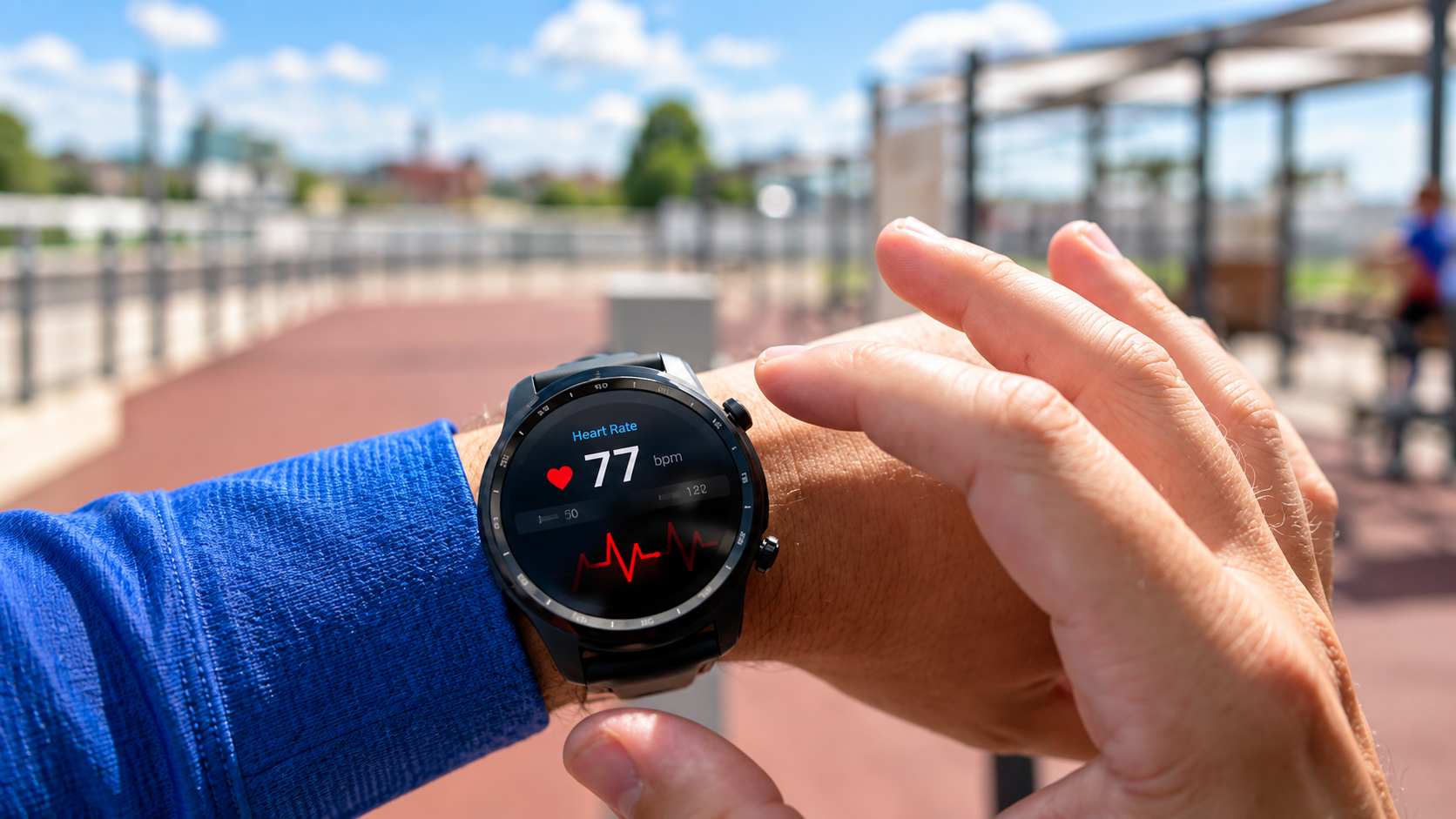
For people who want to keep tabs on their health, today’s watches offer more than a pulse reading. Many record heart rate throughout the day, display resting heart rate trends and send alerts when readings rise or fall beyond selected limits. Some can also flag a rhythm suggestive of atrial fibrillation, or AFib. Models with an ECG app allow the wearer to make a brief electrical recording by touching the watch when symptoms occur.
Those features have demonstrated value, particularly in identifying possible AFib. In the Apple Heart Study, researchers enrolled 419,297 participants, and 0.52% received an irregular pulse notification. Among participants whose watch alerts could be compared with ECG recordings taken at the same time, 84% of subsequent alerts coincided with AFib. That figure describes alerts confirmed during simultaneous monitoring; it does not mean a watch detects 84% of all AFib episodes. Among notified participants who later wore an ECG patch, 34% had AFib recorded on that subsequent test. The difference illustrates why the timing of an episode matters and why a watch alert calls for medical assessment rather than a self-diagnosis.
A watch measures everyday heart rate primarily through an optical sensor that detects changes in blood flow at the wrist. Movement, a loose fit or poor contact with the skin can interfere with a reading. Its ECG feature answers a different question: what the heart’s electrical rhythm looked like during the short recording the wearer chose to take. An episode that starts and ends while the person is asleep, busy or away from a charged watch may never appear in that record. A normal watch reading also does not establish that chest pain or other symptoms are harmless. Smartwatch heart features do not detect heart attacks.
For iPhone users who want heart monitoring features, an Apple Watch Series model with an ECG app is a practical starting point. Apple Watch SE models track heart rate but do not include the ECG app, a consequential difference for someone purchasing a watch to document an irregular rhythm. Android users can consider compatible Google Pixel Watch and Samsung Galaxy Watch models with ECG recording and irregular rhythm notifications. Selected Garmin models also offer an ECG app, although availability depends on the particular watch and region. Buyers should verify the features on the exact model and confirm that it works with their phone before purchasing.
Blood pressure requires a separate decision. A watch that offers a blood pressure warning or estimate does not replace a blood pressure measurement. The American Heart Association recommends a validated automatic upper-arm cuff for home monitoring and says cuffless devices are not yet reliable enough to guide the diagnosis or treatment of high blood pressure.
The most useful watch data may be a record of change: a resting heart rate that shifts over time, a recurring alert, or an ECG captured while palpitations are happening. Those records can give a clinician a more precise account than a remembered symptom alone. If monitoring must be dependable enough to direct care, however, the physician should specify the device and explain which readings warrant a call. New chest pain, fainting or severe shortness of breath requires prompt medical attention regardless of what the watch displays.