


In Myrtle Creek, four apartments taking shape in the Wìli Tribal Housing neighborhood will give older members of the Cow Creek Band of Umpqua Tribe of Indians and students a new place to rent. Elsewhere in the tribe’s housing program, seven homes will stay open for families in transition, and tribal members preparing to buy a home will continue to have help with a down payment. All three efforts draw on Cow Creek’s share of a $10 million state housing fund that has now reached all nine of Oregon’s federally recognized tribes.
Oregon Housing and Community Services confirmed Friday, November 20, that each tribe had received its share of the money allocated by the Oregon Legislature in 2025. Across the state, tribal governments are putting the funding toward needs that range from a shelter bed for the night to an emergency repair that allows a family to keep living in the home it owns.
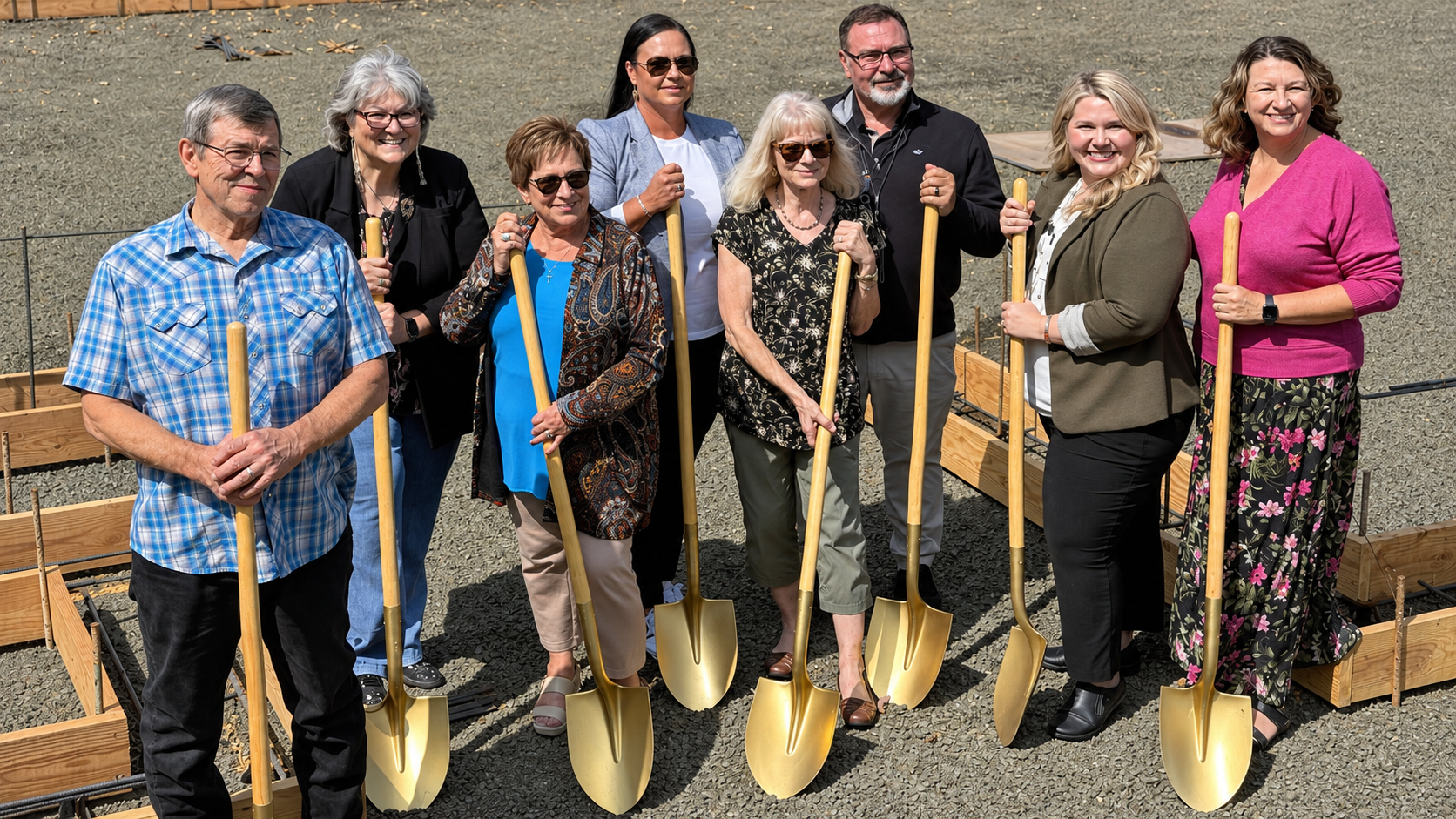
In Douglas County, tribal leaders broke ground in September on the four-unit building in Myrtle Creek. Each apartment will have two bedrooms and two bathrooms, with the first rentals expected to be ready in early 2028. Cow Creek is contributing tribal government revenue alongside the state grant to pay for construction.
The neighborhood takes its name from the Takelma word for house. When tribal leaders gathered for the groundbreaking, Wìli already owned and maintained 64 rental homes for tribal families and affiliated tribal members. More than 90 percent of those homes were designated for low-income families, with rent capped at one-quarter of a household’s monthly income.
The four new apartments will reach further up the income scale. Households earning as much as 120 percent of the area median income can qualify, opening a rental option for tribal members whose earnings may put some low-income homes beyond their reach while the cost of buying remains out of reach as well. Older members and students are among those the tribe intends to serve. For households ready to buy, Cow Creek’s share of the state funding will keep its expanded down payment assistance program available.
A second investment will bring seven new single-family homes to the same Myrtle Creek neighborhood. Cow Creek received a $4,917,680 competitive grant from the U.S. Department of Housing and Urban Development in September to build those homes and install infrastructure for another housing project. The tribe expects to complete the seven homes by September 2029. That federal construction award is separate from the state money helping Cow Creek operate its seven existing transitional homes.
Across Oregon, the largest number in the tribes’ housing plans belongs to homes already in use. The state grants will help pay for the operation and upkeep of 367 housing units. The plans also call for building 14 homes, rehabilitating one, acquiring three development lots and putting infrastructure in place for 24 affordable rentals. For people who already own their homes, the funding includes emergency repairs for 30 households. Another 45 households are in line for weatherization work, and 18 prospective buyers are expected to receive help with a down payment.
Some of the money will reach families well before a lease or mortgage is within reach. The nine tribes’ plans include support for 58 shelter beds, emergency shelter for 15 households and transitional housing for 20 families. Financial assistance and support services are expected to reach 137 households statewide.
Representatives from all nine tribes worked with Oregon Housing and Community Services for about a year to shape how the fund would operate. Each tribe receives a base amount and an additional share tied to enrollment. Tribal governments set out their local housing priorities in plans submitted every two years and report annually on spending. Enrolled members seeking housing assistance can contact their own tribal housing department.
In Myrtle Creek, the two investments will arrive on different schedules. The four apartments are expected to welcome renters in early 2028, with the seven single-family homes to follow. For tribal members who need a place to stay sooner, part of Cow Creek’s state grant is already doing its work by keeping the doors of seven transitional homes open.