


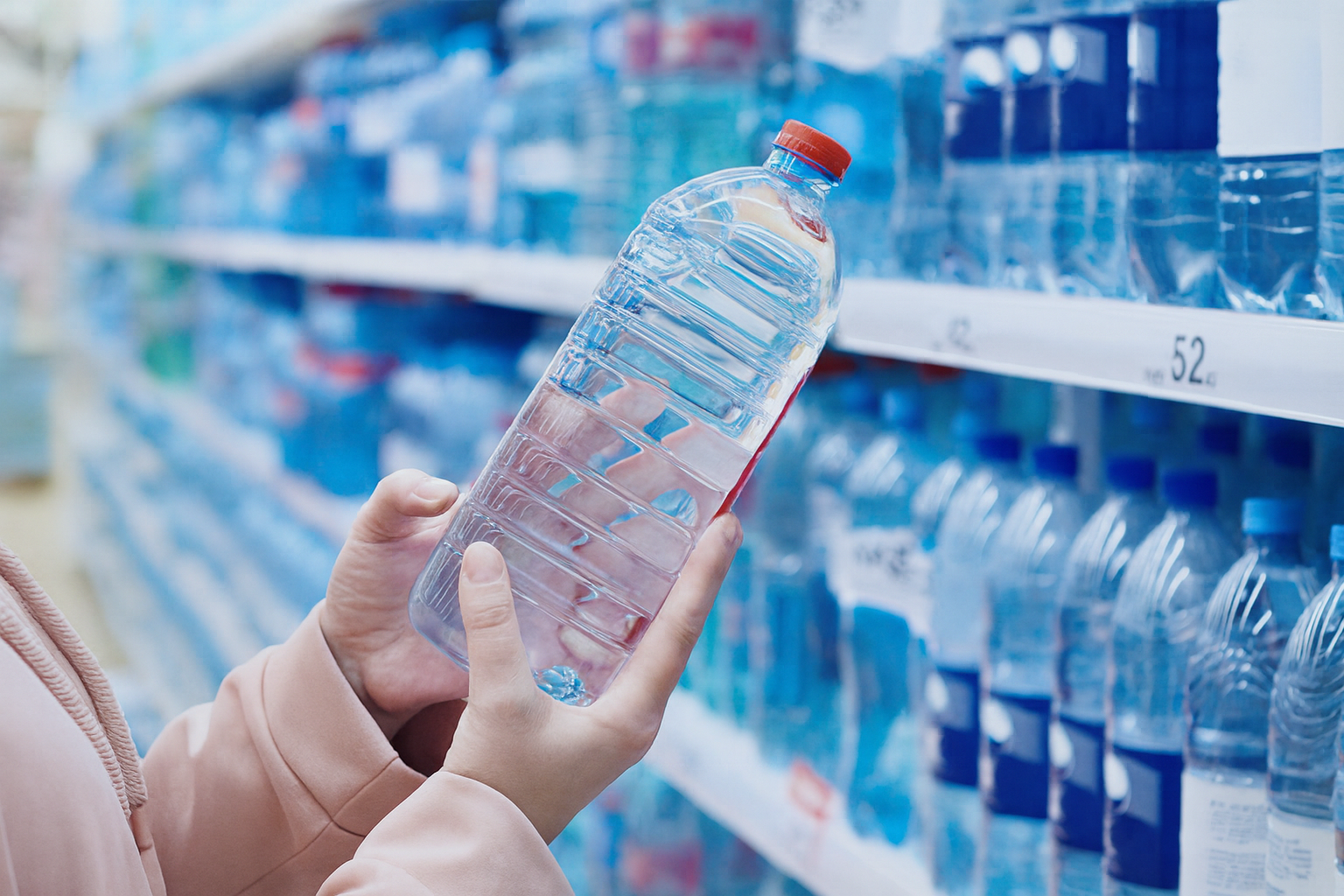
Over the past decade, bottled water has emerged as the leading beverage of choice in the United States, surpassing soda and steadily expanding its share of the market. In 2014, Americans consumed just over 10 billion gallons of bottled water, generating about $13.8 billion in sales. By 2024, that number had risen to 16.4 billion gallons, with industry revenues topping $28 billion. Per-capita intake climbed to roughly 47 gallons a year, reflecting how deeply bottled water has become embedded in daily life.
The financial story behind this growth is striking. Wholesale prices for non-sparkling bottled water averaged about $1.44 per gallon in 2023. Retail pricing, particularly for single-serve bottles, runs much higher. In comparison, municipal tap water costs less than a penny per gallon. The gap between production costs and consumer prices highlights the convenience premium that bottled water companies capture. Consumers are not simply paying for water—they are paying for packaging, portability, and consistent availability.
Health-conscious marketing has also fueled the rise. Bottled water overtook carbonated soft drinks in 2016, benefiting from its image as a cleaner, safer, and calorie-free alternative. Large beverage companies expanded their portfolios, while private-label options from supermarkets ensured affordability at scale. Imported brands and sparkling waters carved out premium niches, adding to the overall value of the category. Even when broader beverage inflation cooled in 2023, bottled water sales remained resilient, a sign that demand has shifted from trend to habit.
Yet the economics tell only part of the story. Critics argue that bottled water represents one of the most effective ways of selling something already available at negligible cost. For most households, tap water costs less than three cents for ten gallons. At that scale, bottled water is hundreds, if not thousands, of times more expensive. Still, convenience often outweighs cost. For many, bottled water is a necessity during travel, outdoor activities, boil notices, or emergencies when access to safe tap water is uncertain.
The environmental cost remains a concern. Bottled water production relies heavily on plastic packaging, predominantly PET bottles. In 2023, the U.S. collected 33 percent of PET bottles for recycling, the highest rate since the mid-1990s, and the industry increased recycled content in bottles to about 16 percent. While these figures represent progress, the majority of bottles still end up in landfills or the environment. Companies face growing scrutiny from regulators and consumers alike, leading to more investment in refillable programs, recycled-content initiatives, and packaging efficiency.
From a market standpoint, bottled water remains a dependable growth engine for beverage companies. Its profitability comes not from the liquid itself but from logistics, branding, and consumer behavior. For individuals, the financial trade-off is clear: convenience and consistency come at a premium compared to tap water or even filtered options at home. Looking ahead, the challenge for the industry will be balancing sustained demand with environmental responsibility, while consumers continue to weigh whether bottled water is a worthwhile investment or simply a costly substitute for what already flows from the faucet.