


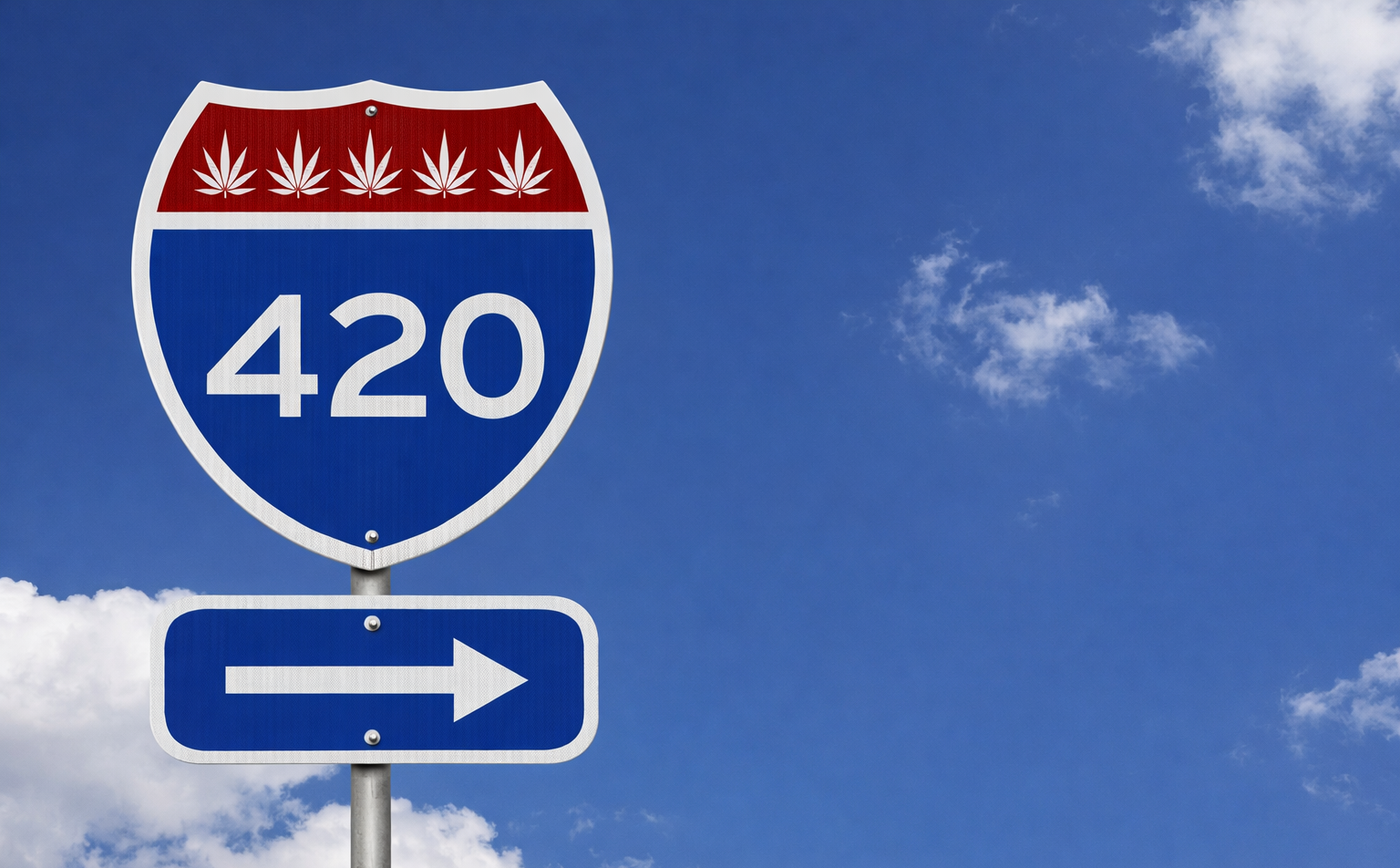
April 20, “420” has arrived. As usual it shows up with a grin, a cloud of mythology trailing behind it, and just enough controversy to keep everyone talking. In Oregon, from Portland sidewalks to the backroads of Josephine County, the date lands somewhere between a cultural wink and a full-blown economic engine. For cannabis enthusiasts, it is the one day that feels unofficially official. For everyone else, it is a reminder that what used to live in the margins now operates in plain sight.
The number itself did not begin as a declaration. It was a code, quiet and practical, born among a handful of California teenagers in the early 1970s who needed a discreet way to say, meet after school and go looking for a hidden crop. The phrase stuck because it worked. It slipped through conversations unnoticed, then spread outward, carried by music, storytelling, and a culture that understood the value of a shared secret. By the time the rest of the country caught on, the meaning had already outgrown its origin.
Of course, myths rushed in to fill the gaps. Some insisted 420 was tied to law enforcement radio signals. Others went further off course, trying to connect the date to historical figures, including Adolf Hitler, whose birthday also falls on April 20. That overlap is purely coincidental and has no connection to the cannabis tradition. Still, the fact that such claims persist says something about how easily folklore can attach itself to a number once it gains cultural traction.
What matters more is what 420 has become. In Oregon, it is no longer a whispered reference. It is a calendar event that drives business, fills dispensaries, and signals one of the busiest days of the year for a fully legal industry. Growers harvest with precision now, not secrecy. Retailers prepare for crowds the way other businesses prepare for major holidays. The shift from underground to regulated marketplace did not erase the culture, it reshaped it, gave it structure, and in many ways, amplified it.
There is a certain irony in that transformation. The same plant that once required coded language now comes with tax receipts, compliance checks, and state oversight. Oregon’s cannabis framework has turned what used to be informal into something measurable, something tracked, something that contributes to public revenue and local economies. In Southern Oregon especially, cannabis is not just a symbol. It is part of the economic bloodstream, tied to jobs, land use, and ongoing debates about growth and regulation.
And yet, beneath the structure, the original spirit still lingers. April 20 carries a sense of pause, a break from routine, a moment where people step outside the usual rhythm and lean into something a little lighter. That does not mean anything goes. Oregon law is clear about age limits, impaired driving, and public use. Legalization came with boundaries, and those boundaries are not suggestions. They are the framework that allows the day to exist as it does now, out in the open rather than tucked away.
What has changed most is perception. The image of cannabis has shifted from something shadowed and suspect to something debated, regulated, and, for many, normalized. That shift did not happen overnight, and it is not complete. Questions about health, access, and long-term impact remain part of the conversation, even as the industry continues to grow.
April 20 now sits at the intersection of all of it. Culture, commerce, law, and personal choice, all wrapped into a single date that refuses to be simple. It is part celebration, part reflection, and part reminder of how quickly the boundaries of acceptance can move.
For those who take part, the day offers a chance to enjoy what is now legal with a sense of awareness that it was not always this way. For everyone else, it is another marker in the ongoing story of how Oregon, and much of the country, recalibrated its relationship with cannabis.
Either way, 420 is no longer just a number. It is a signal that something once hidden has stepped fully into the daylight, and it is not going back.