


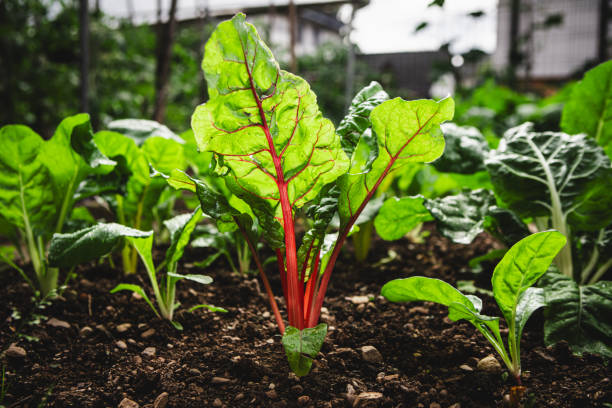
As the cost of groceries continues to inch upward, more people are taking a second look at their own backyards and wondering if the answer to inflation lies in the soil beneath their feet. From herbs and lettuce to tomatoes, cucumbers, and carrots, backyard gardening has long been promoted as a path to healthier eating, self-sufficiency, and in some cases, a means to save money. But the reality of cultivating a sustainable home garden is more nuanced, and the economics behind it vary significantly depending on the approach, scale, and expectations.
On the surface, growing your own food appears to be a no-brainer. A packet of lettuce seeds costs less than a single head of romaine at the grocery store, and a single tomato plant can yield pounds of fruit over the summer months. The math seems simple—spend less, harvest more. But dig a little deeper, and the picture becomes more complicated.
Home gardening, particularly when aiming for a steady supply of staple vegetables, requires more than just seeds and soil. For those starting from scratch, there are upfront costs that can catch first-time growers off guard. Raised beds, soil amendments, compost, fertilizer, irrigation systems, gardening tools, containers, and pest control measures can add up quickly. Even seemingly minor investments like seed-starting trays, row covers, or trellises can chip away at the initial sense of savings.
Then there’s the time investment. Gardening is not a “set it and forget it” endeavor. It requires regular watering, weeding, pruning, and sometimes constant monitoring for pests and disease. For people with busy work schedules, inconsistent growing climates, or physical limitations, the labor can become overwhelming. And if a season turns out poorly due to weather, soil conditions, or pest infestations, the return on investment may be little to nothing.
Space also plays a crucial role. For those living in apartments or small urban lots, the ability to grow enough food to replace grocery store trips is limited. Container gardening and vertical solutions can provide some yield, but rarely enough to replace a family’s weekly produce intake. Conversely, those with larger yards or rural properties can scale up their gardens to include multiple varieties, preserve harvests through canning or freezing, and even incorporate chickens or fruit trees. But larger gardens also mean higher startup costs, more maintenance, and often the need for greater infrastructure.
Despite the costs and work, gardening offers benefits that are not always measured in dollars. Homegrown food is typically fresher, often more nutritious, and free of chemicals or additives. The act of gardening itself has been linked to improved mental health, reduced stress, and increased physical activity. For families with children, it also offers educational opportunities about nature, food sources, and environmental sustainability.
From a financial standpoint, the break-even point for a home garden varies. Some studies suggest that a well-maintained vegetable garden can yield hundreds of dollars in produce over the course of a season, especially if growers are strategic with what they plant. High-cost produce like fresh herbs, organic tomatoes, and leafy greens offer a better return than lower-cost or high-maintenance crops like corn or potatoes. Reusing soil, composting kitchen waste, and saving seeds from season to season can also reduce ongoing costs.
In communities with access to community gardens or shared plots, the equation changes again. Shared resources and communal labor can cut down on individual expenses, and access to land becomes less of a barrier. However, not all neighborhoods have access to such spaces, and waiting lists for community plots can be long.
Ultimately, whether growing your own food saves money depends on your goals, commitment, and available resources. If the objective is to become entirely self-sufficient or replace your grocery bill, the path is steep and potentially expensive. But if the focus is on supplementing your meals with a few fresh, homegrown items and enjoying the lifestyle that comes with it, then the value of a backyard garden may outweigh the dollars and cents.
Grocery shopping remains the more efficient and consistent option for many people, especially those with limited time, space, or gardening know-how. However, for those with the land, patience, and desire to cultivate their own food—even in modest amounts—the rewards can be as satisfying as they are tangible. The decision isn’t always about saving money. Sometimes, it’s about taking control of what’s on your plate and reconnecting with where it comes from.