


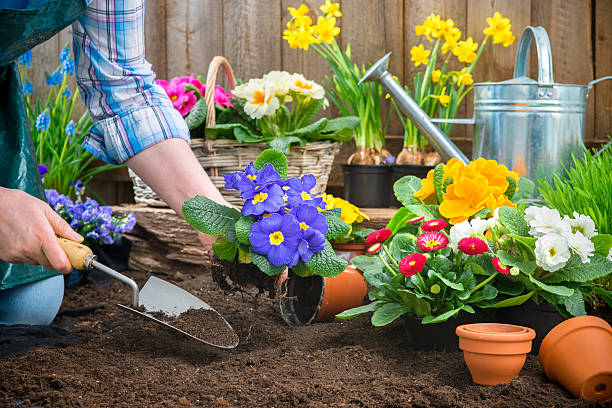
Transforming a bare front yard into a colorful and inviting flower garden doesn’t have to come with a hefty price tag. In Southern Oregon, with its mild springs and sun-drenched summers, residents can cultivate a vibrant and pollinator-friendly garden for less than $100. With a little planning, creative sourcing, and do-it-yourself effort, homeowners can enjoy a blooming front yard without draining their wallets.
The first step is to assess your space and decide on a planting plan. Whether the goal is to create a seasonal splash of color, attract butterflies and bees, or simply enhance curb appeal, success begins with knowing your climate and soil. In areas like the Rogue Valley, planting typically begins in mid-April when the threat of frost has passed. This is the ideal time to prepare your garden beds by removing weeds, loosening the soil, and enriching it with compost. Local gardeners can often get compost at low cost or even for free through municipal programs, helping to keep expenses down while improving soil quality.
Seeds are the most budget-friendly way to grow a garden. For the cost of a single nursery plant, you can purchase entire packets of flower seeds like zinnias, cosmos, marigolds, or sunflowers. Seed tape, which makes sowing fast and uniform, is also an inexpensive tool to help establish orderly rows of blooms. Many Southern Oregon gardeners also take advantage of plant swaps, where they can trade extra seedlings or perennial divisions with others. Perennials such as daylilies, sedum, and hostas can often be divided from existing plants at no cost, providing long-lasting beauty year after year.
Selecting the right plants is crucial for success in Southern Oregon’s climate. Drought-tolerant varieties that thrive in Pacific Northwest soil, such as coneflowers, salvia, Mexican fleabane, and black-eyed Susans, are low-maintenance and well-suited for long-term growth. These plants offer both visual interest and ecological benefits by supporting native pollinators.
With the flowers selected and the soil prepared, structure and design come next. Instead of purchasing commercial garden edging, creative gardeners can use reclaimed wood, river rocks, or bricks to define planting areas. These materials are often free or inexpensive if sourced through local buy-sell groups or salvage yards. Establishing a simple border helps prevent grass intrusion and gives the garden a polished look.
Mulching is another essential yet affordable step. Applying a layer of wood chips or straw helps retain soil moisture, reduce weeds, and protect young plants from summer heat. Wood chips are often available at little to no cost from city yard debris centers or local tree services.
Creating a layered planting design adds dimension without cost. Taller plants in the back, medium-sized flowers in the middle, and low-growing groundcovers near the front allow every bloom to shine. A well-planned garden doesn’t need to be large to make a big impression; even a small, thoughtfully arranged flower bed can enhance a home’s exterior.
Watering can be a concern during dry Oregon summers, but there are simple ways to conserve water and cut down on utility costs. Installing a homemade rain barrel to collect roof runoff is an easy and efficient method for keeping your garden hydrated. A simple drip irrigation system or soaker hose can also be installed inexpensively to deliver water directly to the roots.
The total investment in materials such as seeds, soil amendments, mulch, and basic supplies can be kept comfortably under $100, especially when incorporating free resources and community support. A budget breakdown might include $20 for seeds, $30 for compost or soil, $10 for mulch, and the rest spread across edging, tools, or starter plants.
Spring is the perfect time to begin, with follow-up planting and maintenance continuing into the summer and fall. By fall, gardeners can divide any thriving perennials and plant bulbs for the next season, extending the life and beauty of the garden with little or no additional cost.
In Southern Oregon, where community spirit and natural beauty go hand in hand, planting a flower garden on a shoestring budget is more than possible—it’s rewarding. With a little creativity, some patience, and smart choices, anyone can turn their front yard into a welcoming and colorful sanctuary that reflects both care and character, all without spending more than a hundred dollars.