


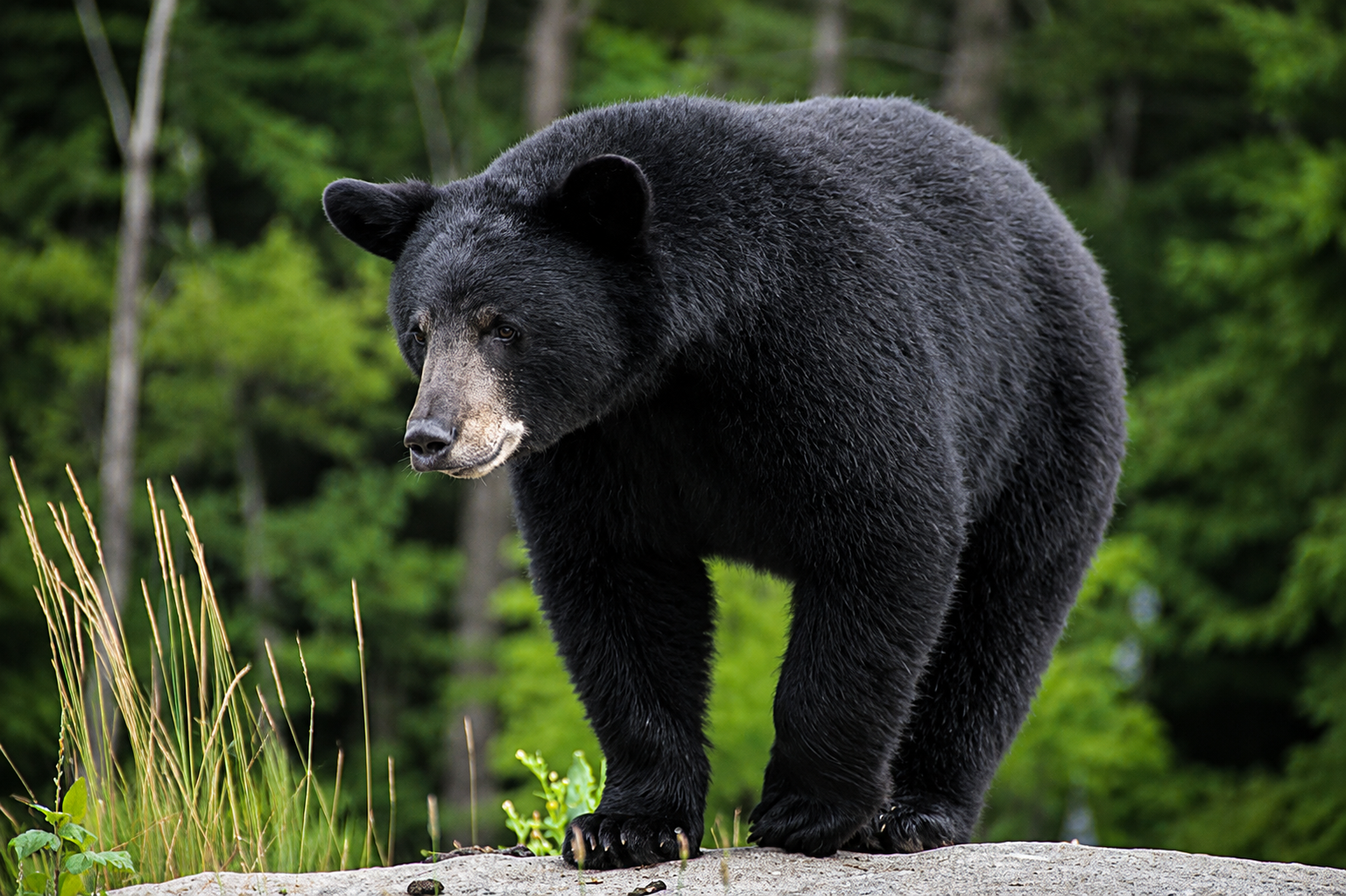
A fatal encounter inside a remote Northern California home has earned a grim place in the state’s history after investigators determined that a 71-year-old woman was killed by a black bear, marking the first documented human death from a black bear attack in California.
The death of Patrice Miller occurred in November 2023 in Downieville, a small Sierra Nevada community in Sierra County. What initially appeared to authorities to be a case in which a bear entered a residence after Miller had died took a dramatically different turn following an autopsy and a months-long investigation.
Miller was found dead inside her home on Nov. 8, 2023, after Sierra County sheriff’s deputies were asked to conduct a welfare check. She had not been seen for several days, prompting concern among people in the close-knit mountain community.
When deputies entered the residence, they encountered evidence that a bear had been inside the house. Investigators found bear tracks and scat, along with extensive damage and evidence that the animal had fed on Miller’s remains. The condition of the scene initially led investigators to believe Miller may have died from an unrelated medical event before the bear entered the home.
The autopsy ultimately changed that conclusion.
A forensic examination documented extensive injuries consistent with a bear attack, including significant trauma and puncture wounds. The findings established that Miller was alive when she was attacked and that injuries inflicted by the bear caused her death.
California wildlife authorities subsequently confirmed the case as the first documented fatal black bear attack on a person in the state’s recorded history.
Investigators determined that the bear apparently gained access to Miller’s home through a kitchen window. Security bars at the window had been damaged and pulled away. Evidence throughout the residence indicated that the animal moved through different areas of the house after entering.
The investigation continued after Miller’s body was recovered because authorities needed to determine whether a bear remaining in the area posed an additional threat.
A large cage trap was placed near the property, and a bear believed to have been involved was eventually captured. After wildlife officials examined the animal and determined it was a male, the bear was euthanized. DNA testing later matched biological evidence from the animal to evidence collected from Miller, establishing that authorities had captured the bear responsible for the fatal attack.
The circumstances surrounding Miller’s death also highlighted a longstanding challenge facing communities where bear habitat and residential neighborhoods overlap.
There had reportedly been previous bear activity around Miller’s property, and investigators identified potential food attractants near the residence. Bears that repeatedly obtain food from garbage, pet food, compost or other human sources can gradually become accustomed to being near homes and people. Wildlife officials have long warned that this process, commonly described as habituation or food conditioning, can lead bears to lose some of their natural avoidance of populated areas.
Downieville is particularly situated for such encounters. The historic community is surrounded by heavily forested Sierra Nevada terrain where black bears naturally live and forage. Residents of California mountain communities regularly contend with bears getting into garbage containers, vehicles, garages and occasionally homes.
Even under those circumstances, fatal encounters remain exceptionally rare.
California supports a substantial population of black bears across large portions of the state, and millions of people live, vacation, camp and recreate within bear habitat every year. Human encounters occur regularly, but the overwhelming majority do not result in serious injury. Black bears generally avoid direct confrontations with people and often retreat when they recognize a human presence.
Miller’s death stands apart not only because it was fatal, but because the attack occurred inside her home rather than along a hiking trail, at a campsite or in another outdoor setting traditionally associated with wildlife encounters.
The case also demonstrates the difficulty investigators can face when reconstructing wildlife fatalities. The initial evidence suggested one sequence of events, while forensic pathology eventually established another. Confirmation that the captured bear was responsible required DNA testing, extending the investigation well beyond the day Miller was discovered.
The historic designation did not become publicly established until 2024, months after Miller’s death, when the autopsy findings and wildlife investigation confirmed what had happened.
California has recorded bear attacks causing injuries before and has dealt extensively with bears entering developed areas, particularly throughout the Sierra Nevada. Until the Downieville case, however, state records contained no confirmed instance of a black bear killing a person.
The death does not indicate that black bears have suddenly become a widespread threat to people. Instead, it represents an extraordinarily rare outcome within a much broader and increasingly complicated relationship between wildlife and communities built within bear country.
For California, the Downieville attack remains an unprecedented case: a bear entered an occupied residence, killed the woman living there and became responsible for the first documented fatal black bear attack in the state’s history.