


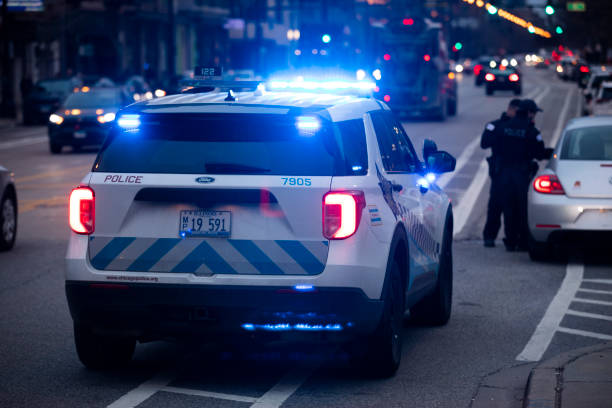
Chicago faced another harrowing holiday weekend marked by gunfire and grief, as at least 58 people were shot across the city during the Labor Day break. Eight of those victims lost their lives, underscoring the persistent struggle with gun violence that has long plagued the nation’s third-largest city.
Among the most serious incidents was a drive-by shooting that left seven people wounded, an attack that drew swift attention from both local and national leaders. Police confirmed that the incident occurred in a residential area, with victims ranging in age and circumstances. Authorities have not released further details on potential suspects, and no arrests had been announced by the end of the holiday weekend.
The scope of violence was not confined to a single neighborhood. Shootings were reported across multiple districts, from the South Side to the West Side, in communities that have for decades wrestled with entrenched challenges of poverty, unemployment, and strained relations with law enforcement. For many residents, the holiday weekend was another painful reminder that gatherings intended for family and celebration too often end in tragedy.
The bloodshed drew renewed political attention. President Donald Trump, who has frequently criticized Chicago’s handling of public safety, used the weekend’s violence to reiterate his threat to deploy federal agents and National Guard troops to the city. His remarks revived a longstanding clash with state and local leaders. Illinois Governor JB Pritzker and Chicago Mayor Brandon Johnson have repeatedly rejected the idea of federal intervention, arguing that sending in troops would escalate tensions rather than resolve them.
The tension between the White House and Illinois officials reflects a broader national debate about how best to address urban gun violence. Federal intervention in city policing has historically been controversial, raising questions about local autonomy and the potential for heavy-handed tactics. Supporters of a federal role point to the scale of Chicago’s crisis as justification for extraordinary measures, while critics counter that systemic issues—such as access to firearms, underfunded social programs, and lack of opportunity—require long-term investment, not short-term shows of force.
Chicago Police Department leaders have acknowledged the severity of the problem, but they emphasize that curbing violence cannot rest solely on law enforcement. Community partnerships, youth outreach programs, and economic development initiatives are also viewed as critical tools in addressing the underlying causes of crime. Local organizations across Chicago continue to press for greater investment in education, mental health services, and neighborhood revitalization, arguing that safety depends on more than patrol cars and prison sentences.
For families directly affected, policy debates provide little comfort in the face of immediate loss. The eight fatalities from this weekend add to a grim tally of lives cut short this year, with dozens more families now grappling with the aftermath of gunfire. As the city begins another week, the scars of Labor Day linger in hospital wards, vigils, and police reports.
Chicago’s leaders face a sobering challenge: finding a path forward that restores both safety and trust. Whether that course will involve increased federal presence, expanded community programs, or a combination of both remains uncertain. What is clear is that the cost of inaction is measured in lives, and this past weekend provided yet another stark example.