


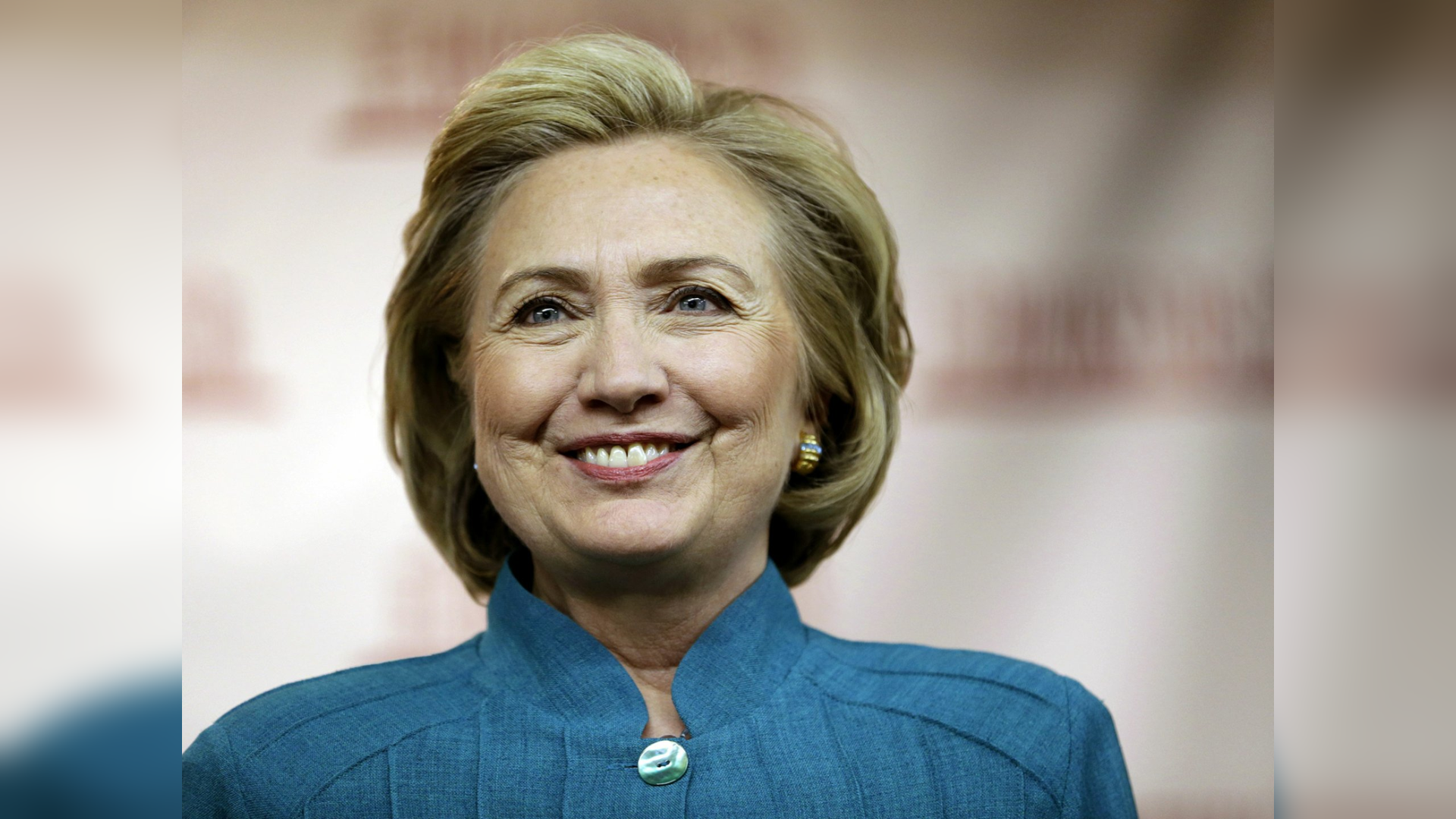
Former Secretary of State Hillary Clinton appeared before members of the U.S. House of Representatives on Thursday in New York, marking a significant development in Congress’s continuing investigation into convicted sex offender Jeffrey Epstein and the network of relationships that allowed him to maintain influence among political, financial, and social elites for decades.
The closed-door deposition began two days of testimony involving the former first family, with former President Bill Clinton scheduled to testify separately. Congressional investigators are seeking sworn testimony from individuals who had documented contact with Epstein during the years prior to his 2019 arrest and death while in federal custody. Lawmakers from both political parties have described the effort as an attempt to clarify unanswered questions surrounding institutional failures, personal associations, and the broader environment that enabled Epstein’s criminal conduct to persist despite earlier investigations and prosecutions.
The sessions are part of a wider congressional inquiry that gained momentum following the release of additional Epstein-related records and renewed public pressure for transparency. Investigators are examining how Epstein maintained access to prominent figures across politics, business, academia, and philanthropy, as well as whether government agencies missed opportunities to intervene earlier.
Hillary Clinton’s testimony is considered largely informational. Public reporting indicates she had limited direct interaction with Epstein, though investigators are reviewing social, charitable, and political connections connected to events and organizations that intersected with Epstein’s social circle. Congressional committees have emphasized that the inquiry is focused on gathering factual accounts rather than pursuing criminal charges against witnesses appearing before lawmakers.
Greater attention has centered on Bill Clinton’s historical association with Epstein during the early 2000s. Flight records and photographs have previously documented multiple interactions between the two men during that period. The former president has long maintained that he severed ties with Epstein well before renewed criminal allegations emerged and has denied any knowledge of or involvement in Epstein’s illegal activities. Congressional investigators are expected to question him about the nature, frequency, and context of those contacts.
The investigation reflects continuing bipartisan concern about accountability in one of the most controversial criminal cases of modern American history. Epstein’s extensive connections to powerful individuals have fueled years of speculation, legal disputes, and public distrust toward institutions perceived as having failed victims. Members of Congress say the depositions are intended to create a clearer historical record and address lingering questions about how influence and access may have shielded Epstein from earlier consequences.
Political tensions surrounding the inquiry remain evident. Supporters of the investigation argue that no public figure should be exempt from scrutiny when examining systemic failures tied to sexual exploitation crimes. Critics, meanwhile, contend that congressional attention toward high-profile political figures risks reinforcing partisan narratives rather than focusing exclusively on victim accountability and institutional reform.
The testimony also carries historical weight. Former presidents rarely provide sworn depositions to congressional investigators, making Bill Clinton’s scheduled appearance an uncommon event in modern federal oversight proceedings. Transcripts and recorded materials from the sessions are expected to undergo review before potential public release, a step lawmakers believe will help address longstanding public demand for transparency.
As Congress continues its work, investigators may call additional witnesses connected to Epstein’s professional and social networks. While the inquiry does not currently involve criminal proceedings against the Clintons, the hearings underscore the enduring national effort to understand how Epstein’s influence operated and why warning signs failed to prevent years of abuse.