


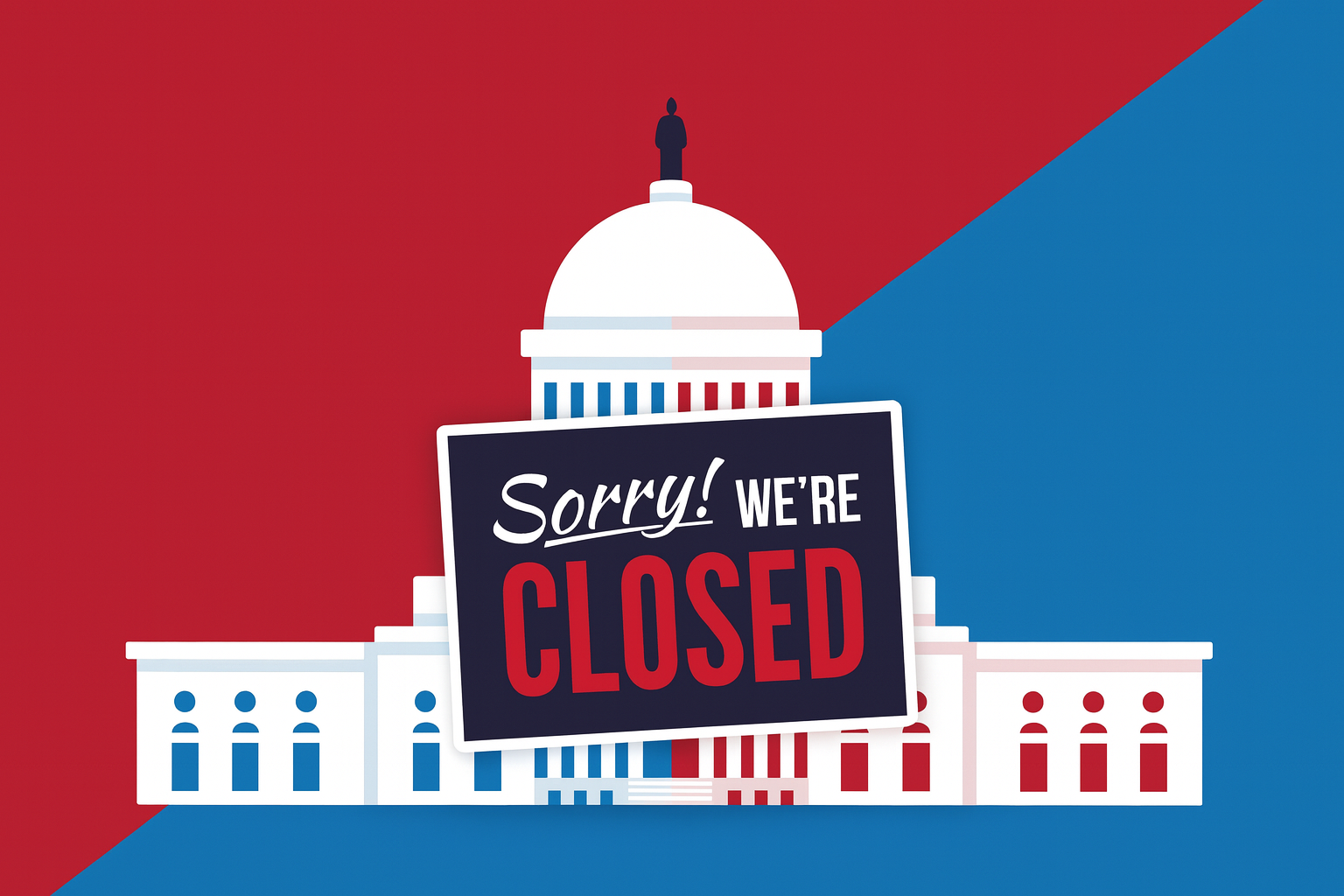
Democratic and Republican leaders are preparing for a critical meeting with President Donald Trump at the White House on Monday in what may be the final attempt to prevent a government shutdown. The session comes at the close of tense negotiations that have done little to bridge the deep partisan divide over federal spending and policy priorities.
The stakes are high. Without an agreement, the federal government faces the risk of running out of operating funds, leading to the furlough of hundreds of thousands of employees, suspension of key services, and economic ripple effects across the country. Shutdowns in the past have not only delayed paychecks for federal workers but also disrupted everything from national park operations to research projects, airport security lines, and small businesses dependent on federal contracts.
Lawmakers from both chambers have spent weeks in a stalemate, unable to reconcile major disagreements over spending levels, immigration policy, and funding for various domestic and defense programs. Each side has accused the other of political intransigence, with Democrats warning against what they view as reckless fiscal policies and Republicans pressing for stricter controls on government spending and border enforcement.
The White House meeting is expected to bring together the most senior congressional leaders with the president in an attempt to break the impasse. Historically, such last-minute sessions have sometimes led to breakthrough compromises, but in other cases they have underscored just how far apart the two parties remain.
The political backdrop is equally charged. A looming shutdown would unfold at a time of heightened national attention on Washington’s ability to function effectively. For the president, the meeting represents both a test of leadership and an opportunity to rally his base around fiscal and security priorities. For congressional Democrats, it is a chance to frame themselves as defenders of essential services and economic stability.
Behind the partisan conflict lies a broader debate over the size and role of the federal government. Republicans have generally pressed for more restrained spending and deeper cuts to certain domestic programs, while Democrats have advocated for preserving or expanding funding for social services, infrastructure, and education. Defense spending, healthcare, and border security remain particularly contentious sticking points.
If no resolution is reached, the economic consequences could be significant. Previous shutdowns have cost billions of dollars in lost productivity and delayed payments, with lasting consequences for local economies. Public frustration with Washington has historically spiked during such episodes, often with political costs for leaders seen as unwilling to compromise.
As the White House prepares to host the meeting, expectations remain low for a quick resolution. Both parties have signaled little willingness to abandon their entrenched positions. Yet with the deadline fast approaching, even small signs of movement could prove decisive in keeping the government open.
The coming days will determine whether this latest confrontation ends with a temporary agreement to keep the government running or with another shutdown that tests the resilience of federal operations and public patience alike.