


Time and money are two of the most valuable resources households in Southern Oregon are trying to protect, especially as grocery prices, fuel costs, and household expenses continue to climb. Grocery delivery and pickup services are often marketed as a solution to both, promising convenience, efficiency, and reduced stress. In practice, however, the experience does not always align with the promise, and when mistakes occur, the true cost becomes clear.
Ordering groceries online requires trust, trust that someone else will select food items with the same care and attention a shopper would use for their own family. That trust is frequently tested when produce arrives bruised, overripe, damaged, or visibly past its prime. A bag of pears that are brown, soft, and visibly beaten is not something most shoppers would ever choose for themselves, yet it is exactly the kind of outcome many consumers report when relying on third-party or in-store personal shoppers.
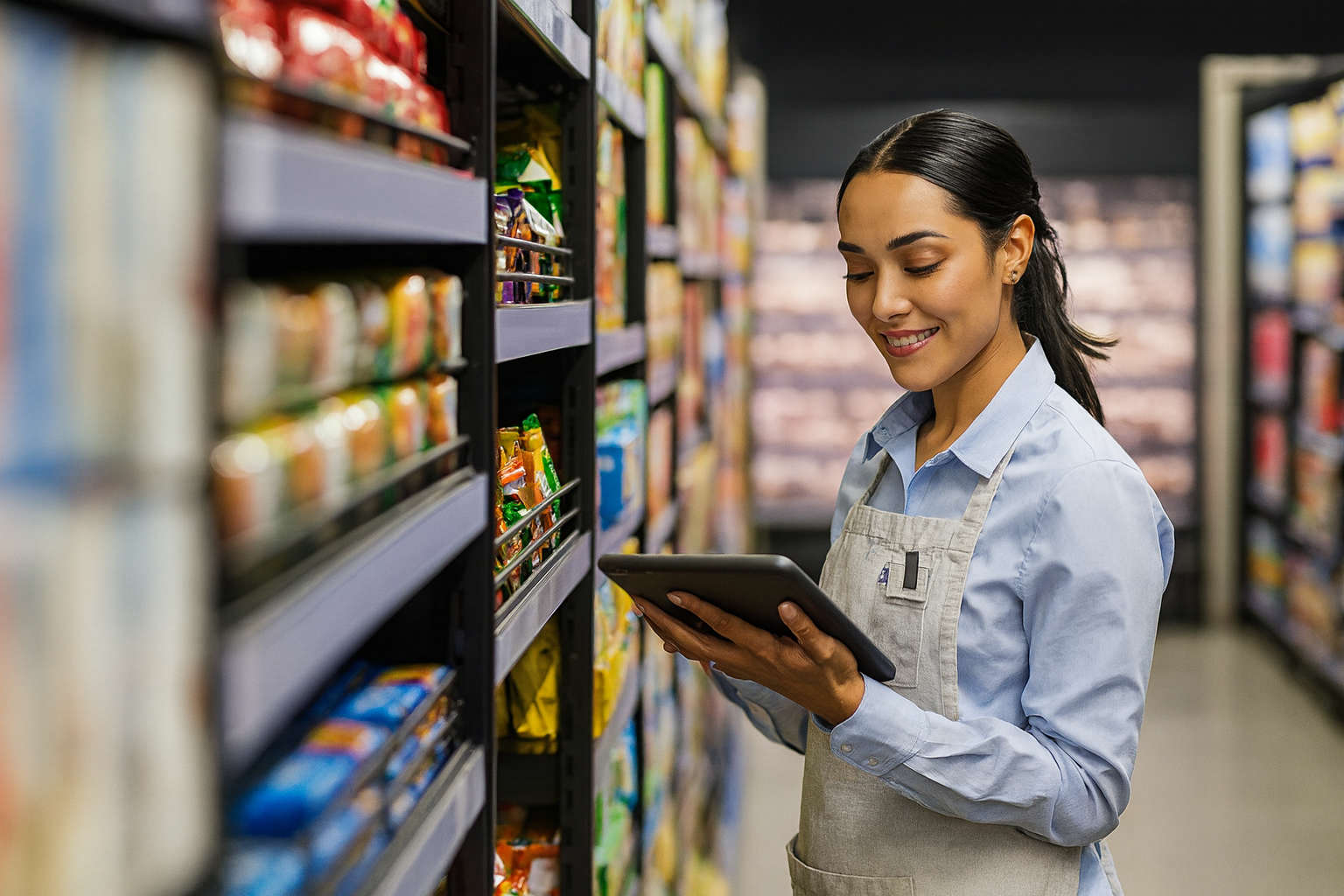
The issue is not limited to one retailer. Whether groceries are ordered through Walmart, regional chains, or national delivery platforms, the process is largely the same. Workers are under time pressure, often responsible for filling multiple orders at once, moving quickly through aisles with efficiency as the priority. Visual inspection, firmness checks, and careful selection of produce such as bananas, citrus, or specialty fruits often take a back seat to speed. The result can be items that technically meet order requirements but fail basic quality expectations.
From a financial standpoint, these mistakes matter. Consumers may receive refunds or credits for damaged items, but that does not replace the lost time, the inconvenience of planning another trip, or the disruption to meals that were already budgeted and planned. For households trying to stretch grocery dollars, spoiled or unusable food represents wasted money regardless of reimbursement policies.
There is also the hidden cost of lowered control. When shopping personally, consumers make real-time decisions, opting for sales, adjusting based on freshness, or choosing alternatives when quality is lacking. Delivery and pickup remove that discretion. Substitutions may not align with dietary needs or preferences, and missing items can force additional purchases elsewhere, often at higher prices.
None of this means grocery delivery and pickup services have no value. For seniors, people with disabilities, parents juggling multiple jobs, or residents in rural parts of Southern Oregon, these services can be essential. However, they are not a perfect replacement for in-person shopping, particularly when it comes to fresh food.
The reality is simple. When groceries are selected by someone else, the outcome depends on their time constraints, training, and priorities, not the shopper’s standards. If expectations are lowered and flexibility is built in, these services can still serve a purpose. If perfection is required, especially for produce, the most reliable option remains selecting items personally.
In the end, convenience does not always equal savings. When errors occur, the cost is paid in frustration, lost time, and diminished value. Grocery delivery and pickup may save a trip, but they do not always save money, and they rarely replace the care that comes with shopping for oneself.