


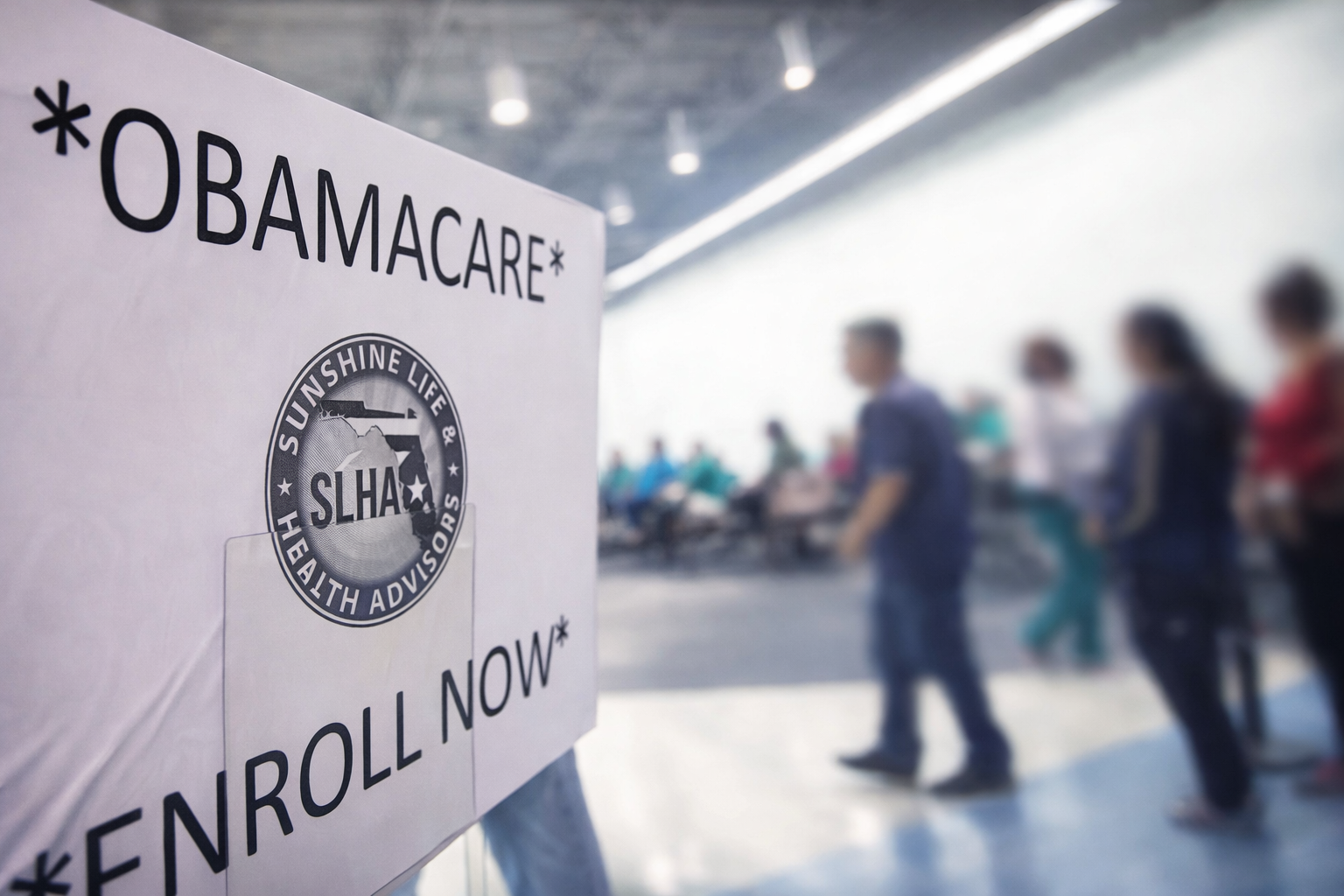
A sweeping federal healthcare fraud case has concluded with significant prison sentences for two executives accused of orchestrating a nationwide scheme that manipulated the Affordable Care Act marketplace and diverted hundreds of millions of taxpayer dollars. The case, prosecuted by the U.S. Department of Justice after years of investigation, exposes how federal health insurance subsidies intended to expand medical access were instead used to fuel one of the largest enrollment fraud operations uncovered under the Affordable Care Act.
Federal prosecutors established that Cory Lloyd, a Florida insurance brokerage executive, and Steven Strong, a Texas marketing company leader, coordinated a complex system designed to exploit federal premium subsidies. The Affordable Care Act allows qualifying Americans to receive government tax credits that directly reduce monthly insurance costs, with payments sent from the federal government to insurance providers. Investigators determined that the defendants built a business model around manipulating that process by generating massive volumes of fraudulent enrollments.
The scheme relied heavily on aggressive recruiting tactics that targeted individuals least likely to detect or challenge misuse of their personal information. Court records show that homeless individuals, low-income residents, people struggling with addiction or mental health issues, and families displaced by hurricanes became frequent targets. Recruiters collected personal data through street outreach campaigns and enrollment drives, often enrolling individuals into insurance plans regardless of eligibility or without fully informed consent.
Once applications were submitted, insurers paid commissions tied to each enrollment while federal subsidy payments flowed automatically based on reported eligibility information. Authorities estimate roughly 35,000 people were improperly enrolled in subsidized coverage, leading to more than $233 million in fraudulent subsidy requests and approximately $180 million in actual federal payments before the operation was dismantled.
Investigators described the fraud as an evolution in healthcare crime. Rather than billing Medicare or Medicaid for unnecessary medical procedures, the operation exploited administrative systems governing enrollment itself. The financial gains were substantial. Prosecutors demonstrated that proceeds from the scheme financed luxury purchases, including waterfront real estate, high-end vehicles, and a large yacht, illustrating how federal healthcare funds were redirected into personal wealth.
A federal judge sentenced both executives to twenty years in prison and ordered restitution exceeding $180 million, reflecting the scale of financial harm to taxpayers. The sentencing follows a jury conviction on multiple fraud and conspiracy charges after extensive cooperation between the FBI, Internal Revenue Service Criminal Investigation Division, and the Department of Health and Human Services Office of Inspector General.
The case arrives amid growing national scrutiny of fraud risks within federally subsidized healthcare programs. The Affordable Care Act marketplace processes millions of enrollments annually and depends heavily on private brokers and marketing companies to connect consumers with insurance coverage. While the system expanded access to healthcare nationwide, investigators say rapid enrollment systems and reliance on self-reported financial information can create vulnerabilities when oversight fails.
Federal officials increasingly warn that enrollment fraud represents a developing frontier in healthcare crime. Unlike traditional billing fraud, these schemes generate profits before medical services are ever delivered, making detection more difficult and financial losses potentially enormous. Law enforcement agencies have intensified monitoring efforts as healthcare spending continues to represent one of the largest categories of federal expenditures.
Beyond the financial consequences, prosecutors emphasized the human impact revealed during the investigation. Many individuals unknowingly lost existing coverage or experienced confusion over unexpected insurance notices tied to policies they never intentionally obtained. For vulnerable populations already facing housing instability, disaster recovery, or economic hardship, the fraud compounded existing challenges.
The sentencing closes a major chapter in federal healthcare fraud enforcement but also underscores broader policy questions about balancing accessibility with accountability. As federal healthcare programs continue expanding coverage to millions of Americans, regulators face increasing pressure to strengthen safeguards while preserving the speed and flexibility that allow individuals to obtain insurance coverage quickly.
Federal investigators describe the case as a warning that large-scale fraud can emerge wherever massive public funding intersects with complex administrative systems, reinforcing the continuing need for oversight in programs designed to serve the public good.