


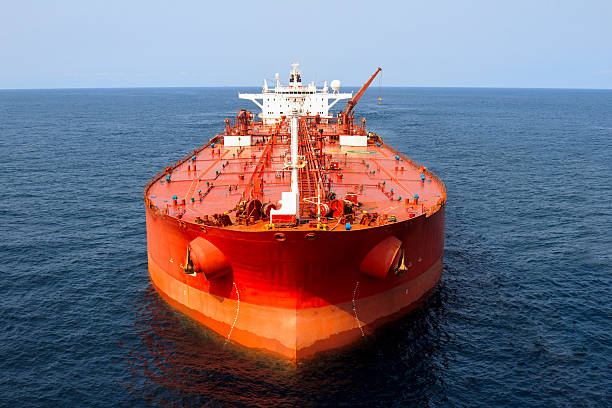
French military forces boarded a large oil tanker anchored off the western coast of France this week, detaining two of its senior crew members in a move that has drawn international attention. The 800-foot vessel, flagged to Benin and identified under various names including Boracay and Pushpa, has been blacklisted by the European Union for its links to Russia’s so-called “shadow fleet,” a network of ships accused of helping Moscow bypass international sanctions on oil exports.
The operation unfolded near the port city of Saint-Nazaire after French naval authorities alerted prosecutors to potential offenses. A judicial inquiry was opened in Brest, leading to the arrest of the captain and first officer. Officials allege that the vessel had failed to verify its nationality and refused to cooperate with inspections, both of which are serious infractions under international maritime law.
The timing of the boarding coincides with heightened security concerns in northern Europe. In late September, Denmark reported a series of drone incursions that disrupted air traffic and raised fears of hybrid operations targeting critical infrastructure. Investigators have been examining whether certain ships operating in nearby waters, including those in Russia’s sanction-busting fleet, could have been involved in launching or supporting the drone flights. Tracking data shows the Benin-flagged tanker passed through areas near Danish waters around the same period. While no conclusive evidence has been released tying the ship to drone operations, suspicions have been strong enough to warrant intervention.
The vessel’s history has also come under scrutiny. Over the years, it has sailed under multiple names and switched flags several times, a common practice among ships linked to sanction evasion. Maritime analysts note that such tactics are typical of Russia’s shadow fleet, which consists of hundreds of aging tankers operating with limited transparency. Many of these ships engage in ship-to-ship transfers, conceal cargo origins, or employ shell companies to obscure ownership, all while transporting crude oil to markets in Asia, Africa, and beyond.
According to shipping records, the tanker departed Russia’s Primorsk terminal on the Baltic Sea in September carrying a substantial load of crude oil, originally bound for India’s port of Vadinar. Instead, it diverted and was later intercepted off France. The European Union has blacklisted vessels like this one to stem revenue flows that could support Russia’s war effort in Ukraine, but enforcement remains challenging given the shadow fleet’s size and elusive tactics.
French President Emmanuel Macron publicly backed the investigation, emphasizing the seriousness of the offenses. The Kremlin responded cautiously, stating it had no specific information about the vessel while criticizing what it described as provocative measures taken against Russian-linked maritime operations. The contrasting statements highlight the broader geopolitical stakes at play, where maritime enforcement overlaps with questions of national security, energy flows, and hybrid warfare.
For now, the two detained crew members remain in French custody as prosecutors continue their investigation. Authorities are expected to review not only sanction violations but also potential security threats linked to the drone incidents over Denmark. The case underscores how maritime shipping—traditionally viewed as a commercial domain—has become increasingly entangled in international disputes, sanctions enforcement, and unconventional security challenges.
As inquiries move forward, European governments will be watching closely to determine whether this tanker represents an isolated enforcement action. The outcome may set an important precedent for how Europe addresses sanction evasion and responds to evolving threats in its surrounding waters.