


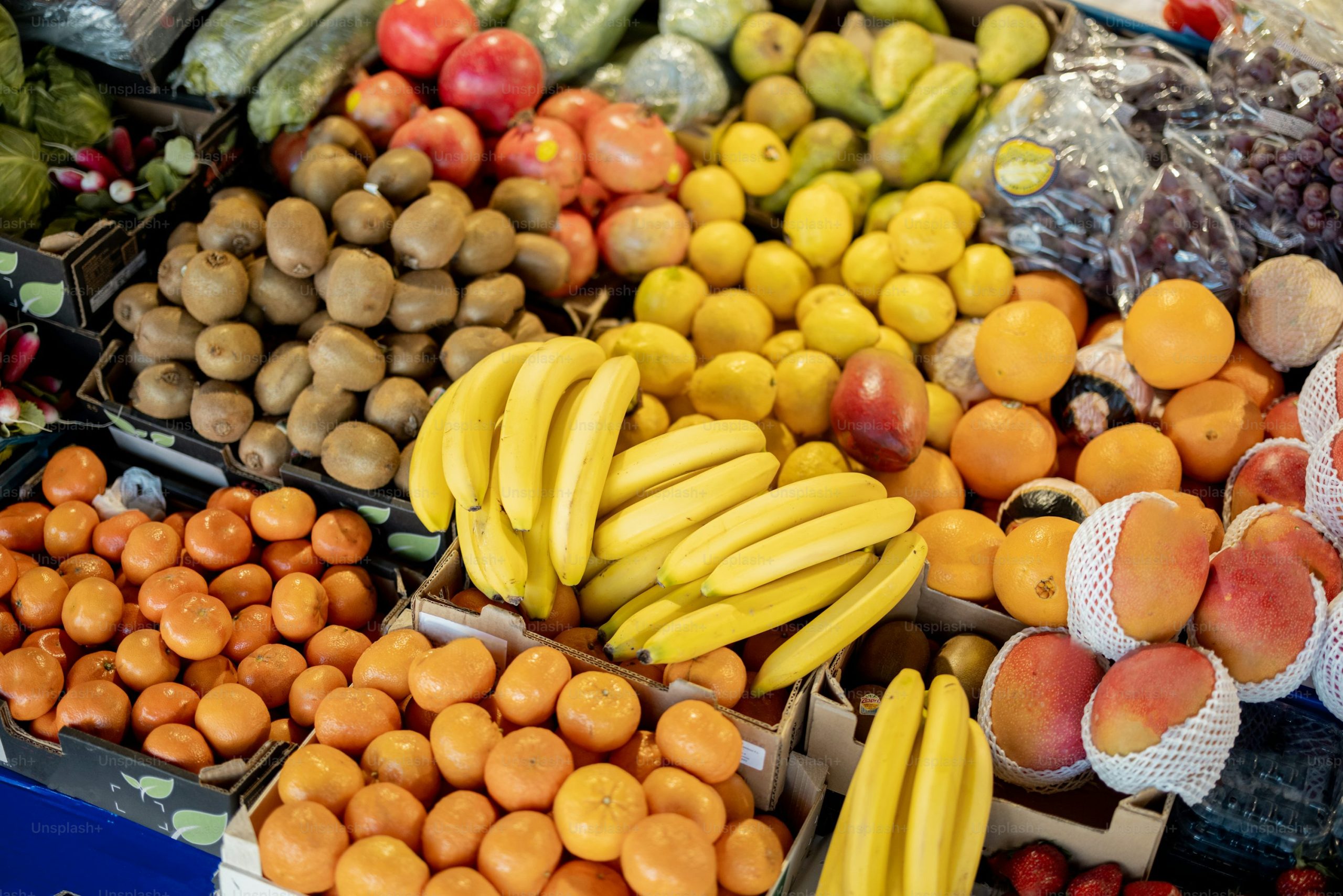
A trip to the produce section in early 2025 now feels more like a luxury shopping experience than a routine grocery run. Among the most surprising sticker shocks? Bartlett pears, now commanding a staggering $1.70 each in some Southern Oregon supermarkets. For shoppers, paying more than three dollars for two pears feels like economic absurdity. The surge in fruit prices is not only frustrating families already battling tight budgets but also raising questions about how a staple of healthy diets became so unaffordable—and when this trend will end.
Fruit inflation has become a recurring seasonal headache, but this year’s spike feels especially egregious. The reasons are layered and interrelated, beginning with the cost of agricultural production itself. Farmers across the country are contending with steep increases in labor, transportation, fertilizer, and packaging. Diesel fuel, critical to both fieldwork and distribution, remains volatile in cost. Add to that higher insurance rates for farms prone to wildfire risks in the West, and the financial burden eventually flows down to the consumer.
But it’s not just economics. Climate instability continues to wreak havoc on crops. Unseasonal rains, late frosts, and prolonged droughts have combined to cut yields and delay harvests. Southern Oregon’s growers, while resourceful, have not been immune to these environmental setbacks. Even regions less affected by climate chaos have faced shipping delays and supply chain disruptions, which push up prices further once the product hits store shelves.
Another layer complicating the 2025 fruit price surge is trade policy. New tariffs on imported fruits from major trading partners such as Mexico and Canada have limited supply and raised prices. Bartlett pears, although widely grown domestically, are still subject to these ripple effects. Imports often fill seasonal gaps or meet excess demand, and without them, competition drops and prices rise. Additionally, logistical costs associated with cross-country and international transport have soared, making every piece of fruit a more expensive item than it was just a year ago.
This price crisis, while national in scope, is acutely felt in smaller, rural communities like those in Southern Oregon. Known for its agricultural roots and proximity to farmland, the region might appear well-positioned to resist food inflation. Yet the reality is more complex. Many small farmers are forced to sell to larger distributors or out-of-state buyers for better prices, limiting the local supply available to retail customers at farmers markets or local grocers. Meanwhile, urban grocers often dominate pricing with little flexibility, leaving little recourse for families on limited incomes.
For residents in the Rogue Valley and surrounding areas, frustration is giving way to creativity. A growing number of people are revisiting time-honored practices like pick-your-own fruit farming, where visiting orchards directly can result in significant savings. Local farms in Talent, Medford, and Grants Pass have seen an uptick in visitors already this spring, as families look to stretch their grocery dollars while enjoying fresher, locally grown produce. The experience not only provides cost relief but fosters a deeper connection to the land and those who cultivate it.
Community farmers markets are also playing a critical role in offsetting inflationary pressures. While prices are still higher than in years past, markets often offer better deals than chain supermarkets, particularly when fruit is in peak season. Shopping local not only supports nearby farmers but can also improve freshness and nutrition, a win for both wallets and waistlines.
Still, for many Southern Oregon families, these options only partially alleviate the problem. The idea of growing one’s own fruit is becoming more attractive, especially for homeowners with available yard space. Bartlett pear trees and other fruit-bearing plants are now in high demand at local nurseries, suggesting a quiet but growing movement toward personal food cultivation. Though fruit trees take time to mature and produce, the long-term payoff—both financially and nutritionally—may be worth the effort in a climate of persistent price hikes.
Whether the current inflation in fruit prices is a short-term bubble or the new normal remains to be seen. The U.S. Department of Agriculture has indicated that overall food inflation is expected to slow slightly later in 2025. However, categories like fresh produce are particularly vulnerable to variables outside economic modeling, including weather and international politics.
Until relief arrives, Southern Oregon shoppers are left to navigate this new reality with resourcefulness and grit. By embracing local options, community markets, and even backyard orchards, consumers may find a way to maintain access to one of nature’s simplest and most essential offerings—without paying a premium for the privilege of eating healthy.