


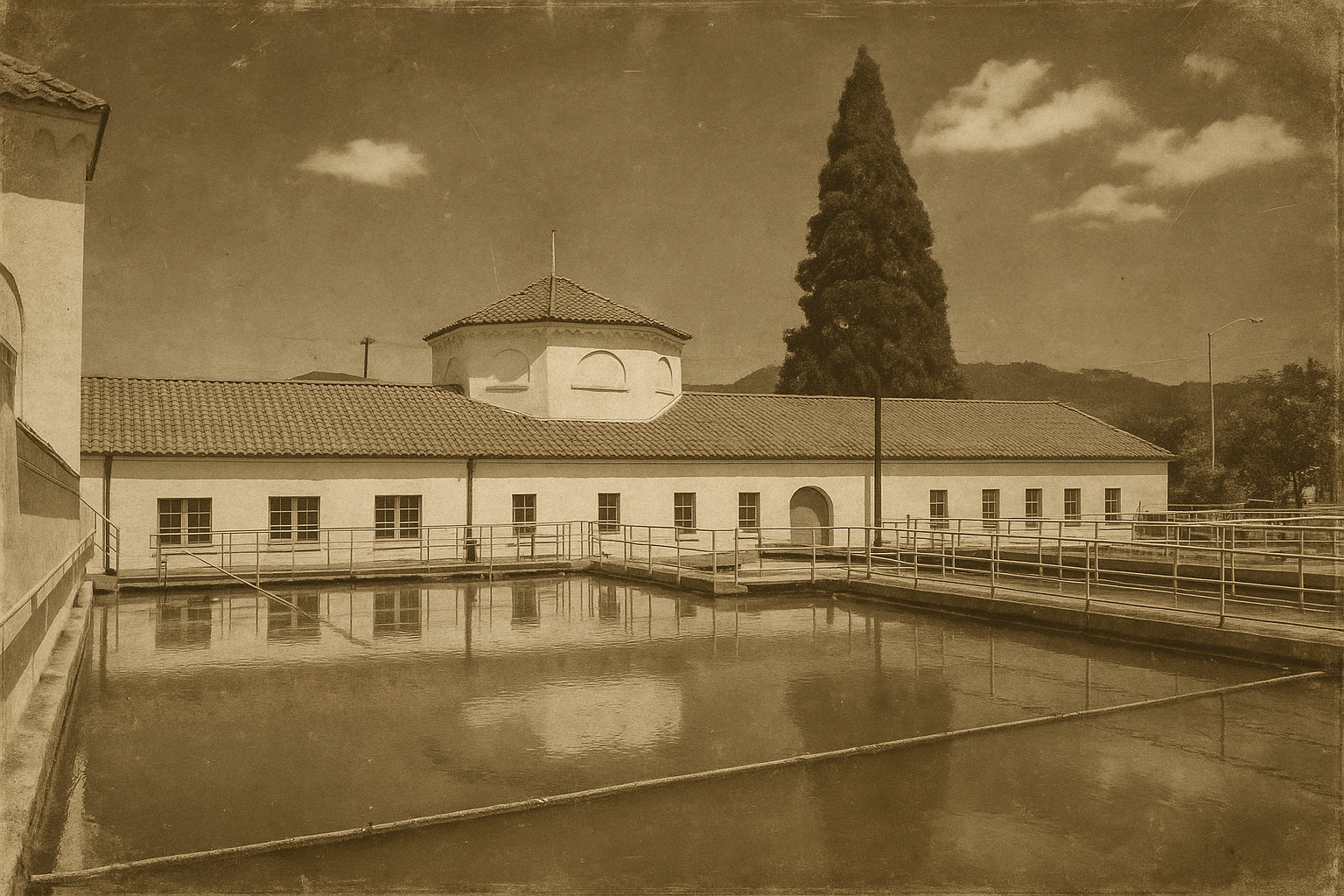
Residents of Grants Pass could soon face another water rate increase as city officials reevaluate how to fund a crucial infrastructure project after losing a major federal grant. The city had planned to use a $50 million award from the Federal Emergency Management Agency (FEMA) to help finance the construction of a new water treatment plant. The loss of that funding now leaves the city with a substantial financial gap and few options other than increasing rates or securing alternative loans.
The FEMA grant was part of the Building Resilient Infrastructure and Communities (BRIC) program and was intended to support nearly half the cost of the proposed $135 million replacement for the city’s aging water treatment facility. City leaders had positioned the project as essential for ensuring water quality and long-term sustainability, as the current plant continues to fall behind modern safety and regulatory standards.
With FEMA rescinding the grant in April due to nationwide budget restructuring, Grants Pass officials are now reassessing the entire project timeline and financial model. The loss of funding introduces uncertainty not only for the construction of the plant itself but also for how the city will maintain affordable services to its residents during an already challenging economic period.
Even before the grant was pulled, water and utility bills in Grants Pass had been rising steadily. On January 1, 2025, the city implemented a 3.02 percent increase in water rates. This marked the third rate adjustment in the span of a year, all of which were tied to the Consumer Price Index to account for inflation. The average residential utility bill now sits at around $115 per month, covering water, sewer, stormwater, transportation, and public safety fees.
With the sudden shortfall in federal support, there is growing concern that another increase could soon be necessary. City staff are currently evaluating options that may include additional loans, drawing from state revolving funds, or increasing user rates to cover the expanded cost of the project. The most likely scenario may involve a combination of these approaches.
The City of Grants Pass has noted that it may pursue funding through the Clean Water State Revolving Fund, a state-run program offering low-interest loans for water infrastructure. However, borrowing from this fund would require repayment over time, which could result in further cost pressures on ratepayers in the coming years.
Residents have grown increasingly concerned about the rising complexity of their utility bills, which include charges like the Water Plant Replacement Fee and the Public Safety Services Charge. While each of these components supports specific services, the cumulative impact has become a financial burden for many households. The possibility of additional rate increases—without visible signs of infrastructure improvements—has only fueled further public scrutiny.
To help offset rising costs, the city continues to promote water conservation practices and efficiency programs, encouraging residents to reduce consumption through low-flow devices, leak detection, and smart irrigation strategies. Financial relief programs are also in place to assist qualifying low-income households with their utility expenses.
The city’s next steps will likely be shaped by ongoing budget hearings and public engagement. As officials work to finalize funding alternatives for the water treatment project, they are expected to present a revised financial plan to the City Council within the next several months. Until then, the potential for another rate increase remains very real, and Grants Pass residents are advised to prepare for changes that could impact their monthly bills.
As the city moves forward without the benefit of federal assistance, it faces the difficult challenge of balancing critical infrastructure needs with public affordability. The decisions made in the coming months will have long-term implications not just for water rates, but for the future of water service delivery throughout Grants Pass.