


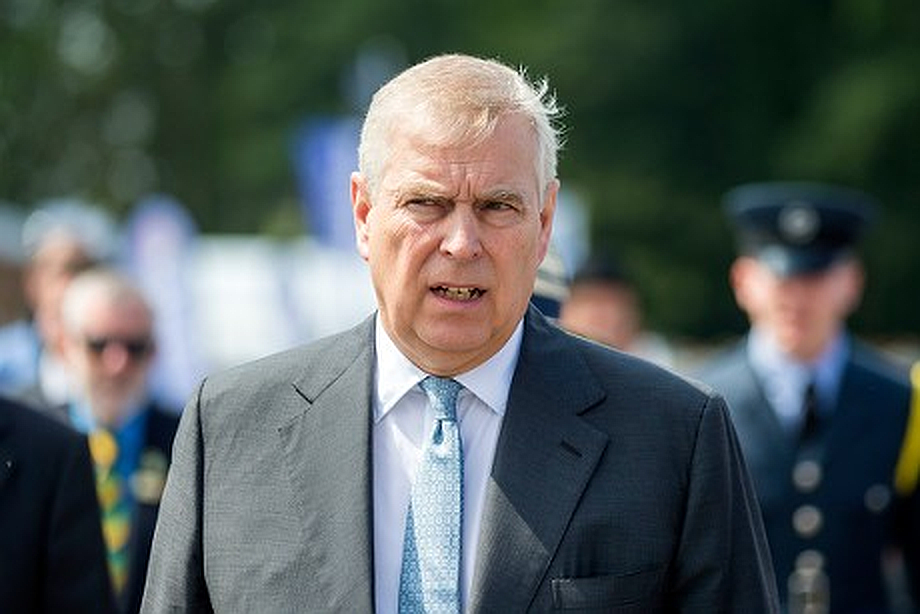
British law enforcement authorities confirmed the arrest of Andrew Mountbatten-Windsor, formerly known as Prince Andrew, on suspicion of misconduct in public office, marking one of the most consequential legal developments involving a former member of the modern British royal family. The arrest occurred on February 19, 2026, following an extended investigation tied to his past role representing the United Kingdom abroad in an official trade capacity.
According to statements released by Thames Valley Police and corroborated by multiple international news organizations, officers detained Andrew at a residence on the Sandringham estate in Norfolk. Investigators simultaneously executed search warrants connected to properties associated with him as part of a broader inquiry examining actions taken during his tenure as the United Kingdom’s Special Representative for International Trade and Investment, a position he held from 2001 through 2011.
Authorities emphasized that the arrest represents a procedural step within an active investigation and does not constitute a criminal conviction or formal charge. Under British legal practice, individuals may be arrested to allow questioning and evidence review while investigators determine whether sufficient grounds exist to refer a case to prosecutors.
The investigation centers on allegations that confidential or sensitive information connected to government travel, diplomatic meetings, or commercial discussions may have been improperly shared during Andrew’s time serving in a quasi-governmental role. The inquiry gained renewed momentum after newly reviewed materials originating from United States Department of Justice disclosures connected to broader investigations involving financier Jeffrey Epstein. Those materials reportedly prompted British authorities to reassess earlier questions regarding Andrew’s professional conduct while holding public responsibilities.
Misconduct in public office remains a common-law offense in the United Kingdom, requiring investigators to demonstrate that an individual entrusted with public authority deliberately abused that position in a manner that represented a serious breach of public trust. Legal analysts note that such cases are relatively rare and complex, often involving detailed examination of communications, official records, and decision-making processes rather than isolated events.
Andrew Mountbatten-Windsor once occupied a prominent role within Britain’s monarchy as the second son of Queen Elizabeth II and brother of King Charles III. He served as a Royal Navy helicopter pilot during the Falklands War before transitioning into diplomatic and economic promotion duties on behalf of British industry. His international trade envoy position placed him in frequent contact with foreign governments, investors, and business leaders seeking commercial partnerships with the United Kingdom.
Public scrutiny surrounding Andrew intensified beginning in the late 2010s because of his personal association with Epstein. That controversy led to his withdrawal from official royal duties in 2019, followed by the removal of military affiliations and the cessation of formal royal patronages. Since that time, Andrew has lived largely outside public royal life as a private citizen, though his historic position has continued to attract international attention.
The present arrest is widely viewed as unprecedented in modern constitutional history because it involves a figure who once operated at the highest levels of ceremonial and diplomatic representation for the British state. Legal observers note that the case reflects evolving expectations that individuals connected to longstanding institutions remain subject to the same investigative standards applied to public officials more broadly.
Buckingham Palace has indicated that the matter concerns Andrew in a personal capacity and that the royal household will not intervene in the legal process. Government officials have similarly underscored the independence of law enforcement agencies and prosecutors, reinforcing the principle that investigative decisions are made without political direction.
Following the arrest, Andrew was reportedly questioned and released under investigative procedures pending further review. Detectives continue to examine documents, communications records, and witness testimony as part of the ongoing inquiry. The next stage will involve evaluation by the Crown Prosecution Service, which will determine whether criminal charges are warranted based on available evidence.
The case unfolds against a broader international backdrop shaped by continuing legal repercussions tied to Epstein-related investigations and renewed examination of relationships between political authority, influence, and accountability. While legal outcomes remain uncertain, the investigation represents a significant moment in the intersection of public office, institutional responsibility, and the modern application of the rule of law in the United Kingdom.