


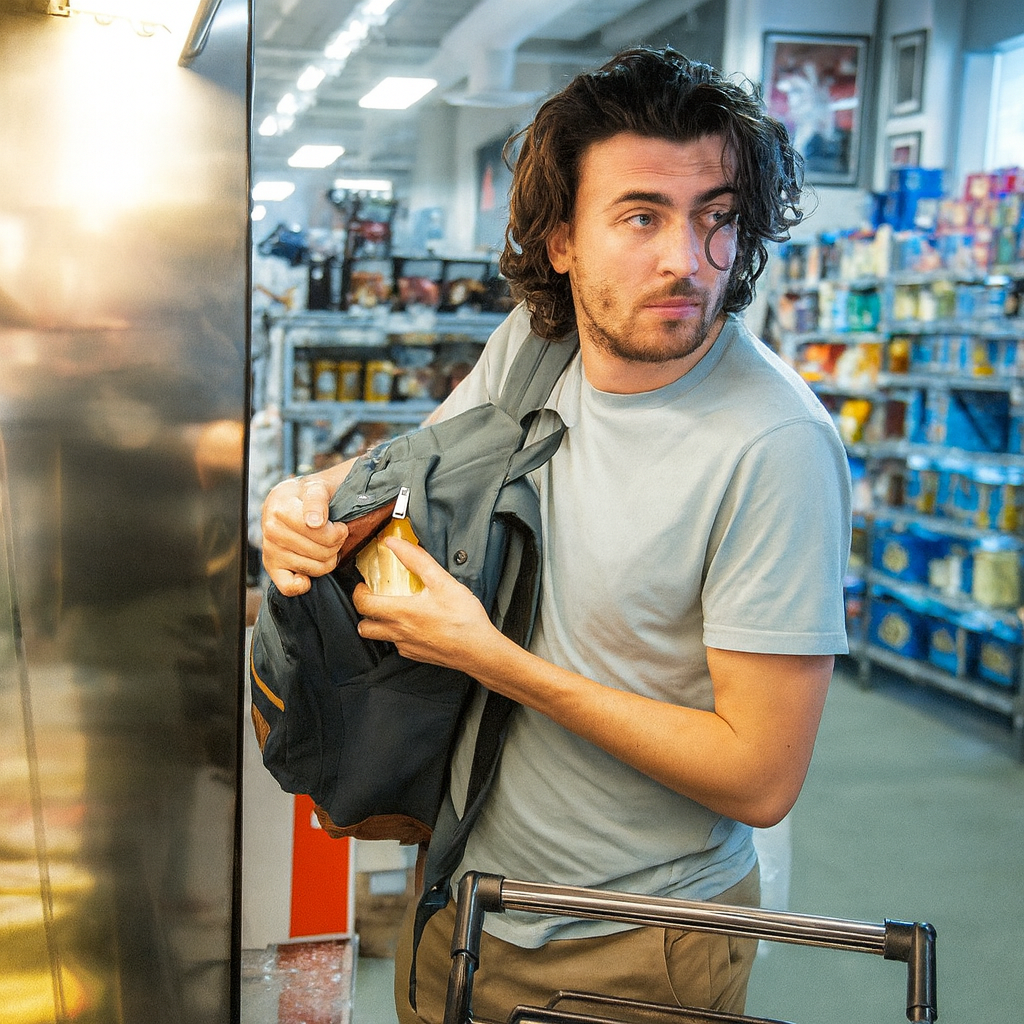
As the holiday season arrives during an economic crunch, Southern Oregon retailers are bracing for what many in the industry view as an inevitable rise in shoplifting. Economic stress and dwindling benefits are combining to create a perfect storm—one that loss prevention experts have seen repeat itself for decades.
With the federal government poised to suspend Supplemental Nutrition Assistance Program (SNAP) benefits for thousands of Oregonians, the ripple effects are already beginning to show. For families living paycheck to paycheck, those benefits often bridge the gap between surviving and going hungry. When that safety net disappears, theft—especially of food and basic necessities—tends to spike. It’s an unfortunate but predictable cycle, seen every time the economy falters or government aid faulters.
Retail crime data nationwide mirrors this trend. During periods of high inflation and declining consumer confidence, theft rates climb sharply. Major retailers have already reported rising shrinkage—industry shorthand for lost inventory—linked not only to organized retail crime rings but also to desperate individuals stealing to meet basic needs. Southern Oregon, with its mix of small businesses and large chains, is far from immune.
For those who’ve spent years in the field of loss prevention, the story is familiar. Whether in the 1990s, 2008 recession, or today’s inflationary period, the motivations rarely change. Theft of electronics or clothing may fluctuate with market trends, but theft of food and essentials always rises when the economy weakens. People steal not for greed but for survival. Hunger doesn’t wait for the next paycheck.
Yet while compassion is necessary, so is vigilance. Retailers across Josephine, and Jackson counties are quietly boosting store security measures—adding cameras, hiring seasonal loss prevention officers, and training employees on de-escalation tactics. But for many small businesses already struggling to stay afloat, those added precautions come with their own financial burden. It’s a lose-lose situation for both sides of the checkout counter.
Law enforcement officials often face a moral dilemma during these times as well. Jailing someone for stealing bread or diapers during the holidays rarely sits well with the public or the officers themselves. Community organizations and churches frequently step up, offering food pantries, meal programs, and holiday assistance drives to fill the gaps left by federal cutbacks. Still, demand continues to outpace supply, and awareness of these programs doesn’t always reach those who need them most.
For consumers, this season serves as a reminder to approach the issue with empathy. The person pocketing a sandwich may not be a hardened criminal but a parent trying to feed a child. That doesn’t excuse theft—but it adds context to a growing crisis that’s as social as it is economic.