


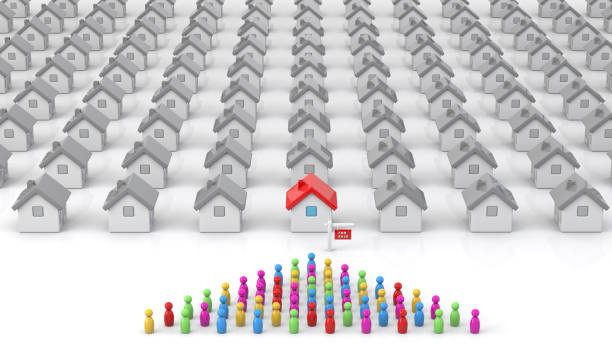
Grants Pass continues to struggle with a persistent and deepening housing crisis that shows few signs of improvement. Despite growing public awareness and various local efforts to address the issue, the availability of affordable and adequate housing remains extremely limited. The combination of a low inventory of rental properties, above-average home prices, and the substandard quality of many available rentals is exacerbating the problem and contributing to a rise in homelessness and financial instability for many residents.
The housing market in Grants Pass is currently defined by a chronic shortage of available units, both for purchase and for rent. New housing construction has not kept pace with population growth or demand, leading to increased competition for the limited number of homes on the market. This shortage has driven up prices significantly, with both homeownership and rental costs exceeding national averages. As of early 2025, the median home price in Grants Pass remains well above what the average local household can afford, particularly when compared to wage levels in the area.
Rental housing is even more constrained. The number of available apartments and rental homes is staggeringly low, with vacancy rates hovering at or below 1%. This lack of supply gives landlords the ability to demand high rents, often for units that fall short of acceptable standards in terms of condition and amenities. Many available rentals are described by residents and housing advocates as outdated, poorly maintained, and lacking in basic safety or sanitation requirements. Despite their sub-par quality, these units are often priced beyond the reach of many working-class individuals and families.
The situation is particularly difficult for low-income residents, seniors, and those on fixed incomes. With few affordable options available, many are forced to spend well over the recommended 30% of their monthly income on housing. In some cases, individuals and families are paying more than 50% of their earnings toward rent, leaving little room for other essential expenses such as food, healthcare, or transportation. As the cost of living continues to rise, the gap between income and housing affordability widens, making it increasingly difficult for residents to achieve or maintain stable housing.
The ongoing crisis is contributing directly to a noticeable increase in homelessness in the region. Shelters and transitional housing facilities are often full, leaving many individuals without a place to stay. Some live in vehicles, makeshift encampments, or couch-surf between temporary arrangements. Others remain invisible, struggling quietly while trying to hold on to precarious living situations. The growing population of unhoused individuals includes not only those traditionally considered at risk but also a rising number of working adults and families who simply cannot afford a place to live in the current market.
Compounding the problem is a lack of investment in affordable housing development. While some initiatives have been introduced in recent years to encourage new housing projects, the rate of construction for affordable units has been insufficient. Zoning restrictions, limited funding, and community opposition to certain types of housing developments have all slowed progress. Without significant policy changes or financial intervention, the imbalance between housing supply and demand is expected to persist.
In Grants Pass, the housing crisis is not just an economic challenge but also a social one. The strain it places on individuals and families contributes to a range of broader issues, including health problems, educational instability for children, and increased demand for social services. As more residents find themselves priced out of the market or living in inadequate conditions, the consequences ripple through the community.
With the region’s population continuing to grow and the housing stock remaining stagnant, the crisis shows no sign of resolution in the near term. For many in Grants Pass, finding and keeping a safe, affordable place to live remains an increasingly difficult—and often impossible—task.