


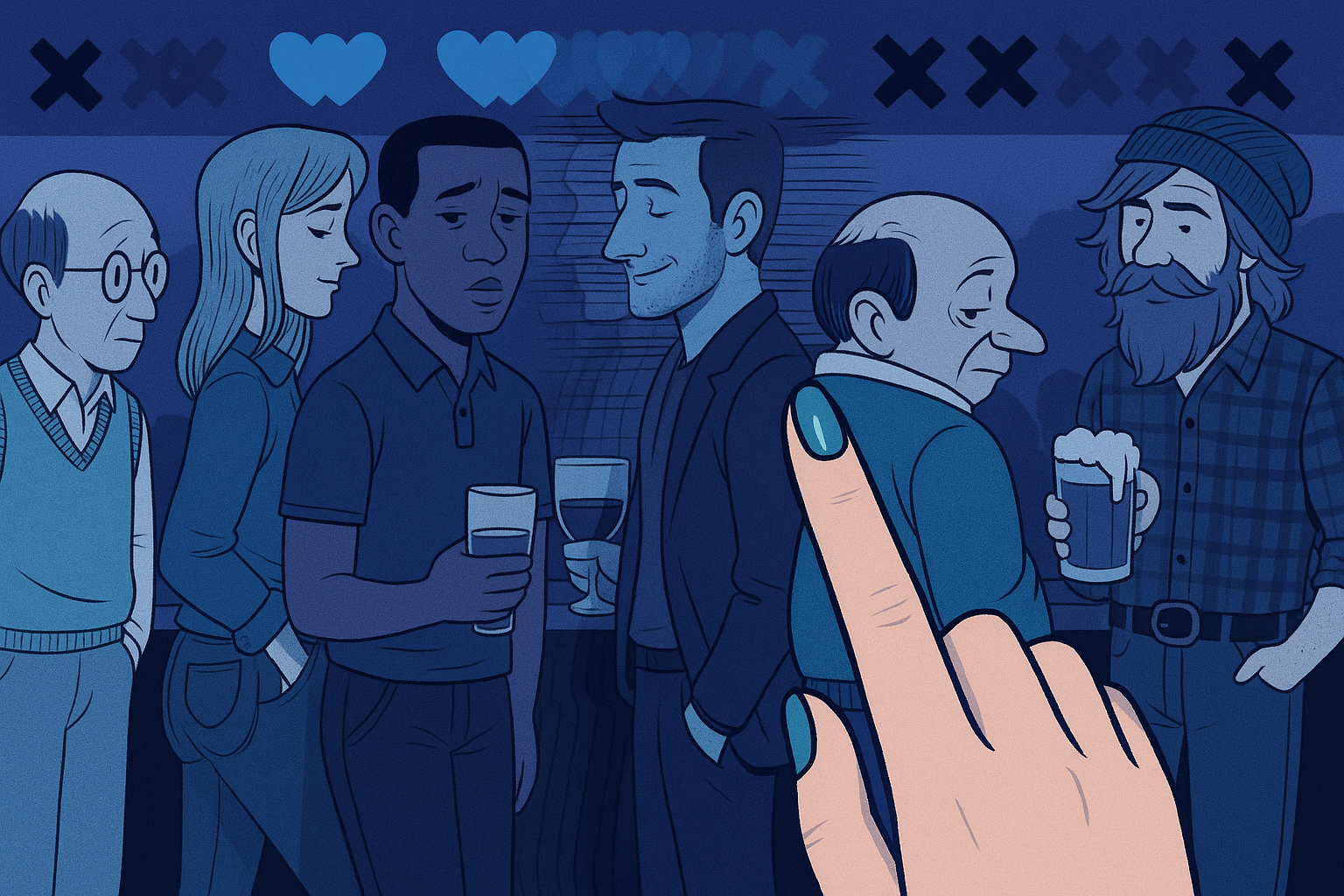
Dating has never been simple, but in a small town like Grants Pass—or anywhere in Josephine County—the challenges go far beyond swiping right or left. While romance may still blossom in coffee shops, at community events, or through mutual friends, the modern landscape is increasingly dominated by dating apps like Tinder, Bumble, and others that often prioritize instant gratification over genuine connection. For those navigating the world of small-town dating with emotional baggage, mental health struggles, or long-term hopes of companionship, the waters are murky—and getting murkier.
At its best, dating should be exciting and hopeful. But in a community where “everyone knows everyone,” dating becomes an intricate dance of social politics, reputation, and cautious optimism. A new match might also be your ex’s cousin, your coworker’s roommate, or someone whose last relationship ended in spectacular small-town fashion. Word gets around fast. And while that sometimes helps filter out the truly toxic, it also means your dating life is never really private.
In Josephine County, many residents report that dating apps have become less about finding love and more about what today’s generations bluntly refer to as “hook-ups.” This trend, while common across the country, hits differently in a smaller community. When potential matches are limited, and each encounter carries the weight of social proximity, casual flings can spiral into emotional turmoil, leaving long-lasting mental health scars.
For those already coping with anxiety, depression, PTSD, or other mental health issues, this dynamic can be brutal. Rejection, ghosting, or even being used for temporary emotional or financial gain can exacerbate existing conditions. And sadly, some individuals—intentionally or not—seek partners not for love or growth, but for rescue. This often presents in the form of seeking a “knight in shining armor” to solve their problems, pay their bills, or offer immediate housing security. The line between relationship and transaction blurs. For many unsuspecting daters, what starts as a romantic connection quickly devolves into a co-dependent mess.
This pattern is not just emotionally exhausting—it’s financially risky. The idea of moving someone in after just a few weeks or taking on their burdens is a trap that many in rural communities fall into, often out of loneliness, desperation, or misplaced hope. In today’s reality, doing your homework before committing to a relationship is not just wise—it’s essential.
A background check should no longer be seen as invasive or rude. It’s an act of self-preservation. The same goes for understanding someone’s financial history. If marriage is ever a goal, the connection between love and money must be acknowledged. Marriage in America is not just an emotional commitment—it’s a financial contract. Credit scores, debts, and spending habits become shared burdens. Assume someone’s debt, and your own future stability could be jeopardized.
Some might recoil at the notion of vetting a romantic partner like a business associate, but in small towns where financial hardship, addiction, and mental illness are prevalent, it’s necessary. Trust is earned, not given blindly. And love doesn’t mean ignoring red flags just because someone tells a good story or claims to be “changing.”
In addition to the emotional toll, the dating scene can have a direct impact on one’s mental health. The cycle of hope, disappointment, and sometimes betrayal can lead to chronic anxiety or depression. For those in recovery from addiction or escaping abusive relationships, re-entering the dating scene can be a trigger. Support systems, whether friends, therapists, or trusted family members, are vital.
So how do you navigate small-town dating without losing your sanity—or your savings? Start slow. Prioritize communication, honesty, and consistency. Watch how a potential partner treats others. Pay attention to their work ethic, emotional maturity, and ability to respect boundaries. Don’t move someone in just because they say they love you or have nowhere else to go. And always—always—check the facts.
Dating in Josephine County isn’t impossible, but it demands a level of caution, clarity, and emotional intelligence that doesn’t come naturally to everyone. In a world that pushes for instant connection, swipe-based validation, and unrealistic romantic ideals, the best thing you can do is protect your peace. Your mental health isn’t a price you should ever pay for companionship.
Love should add to your life—not complicate or control it. So ask yourself: are you ready? And more importantly, is the person sitting across from you really who they claim to be?
Do your homework. Take your time. And remember: in a small town, the consequences of rushing in can last a lifetime.