


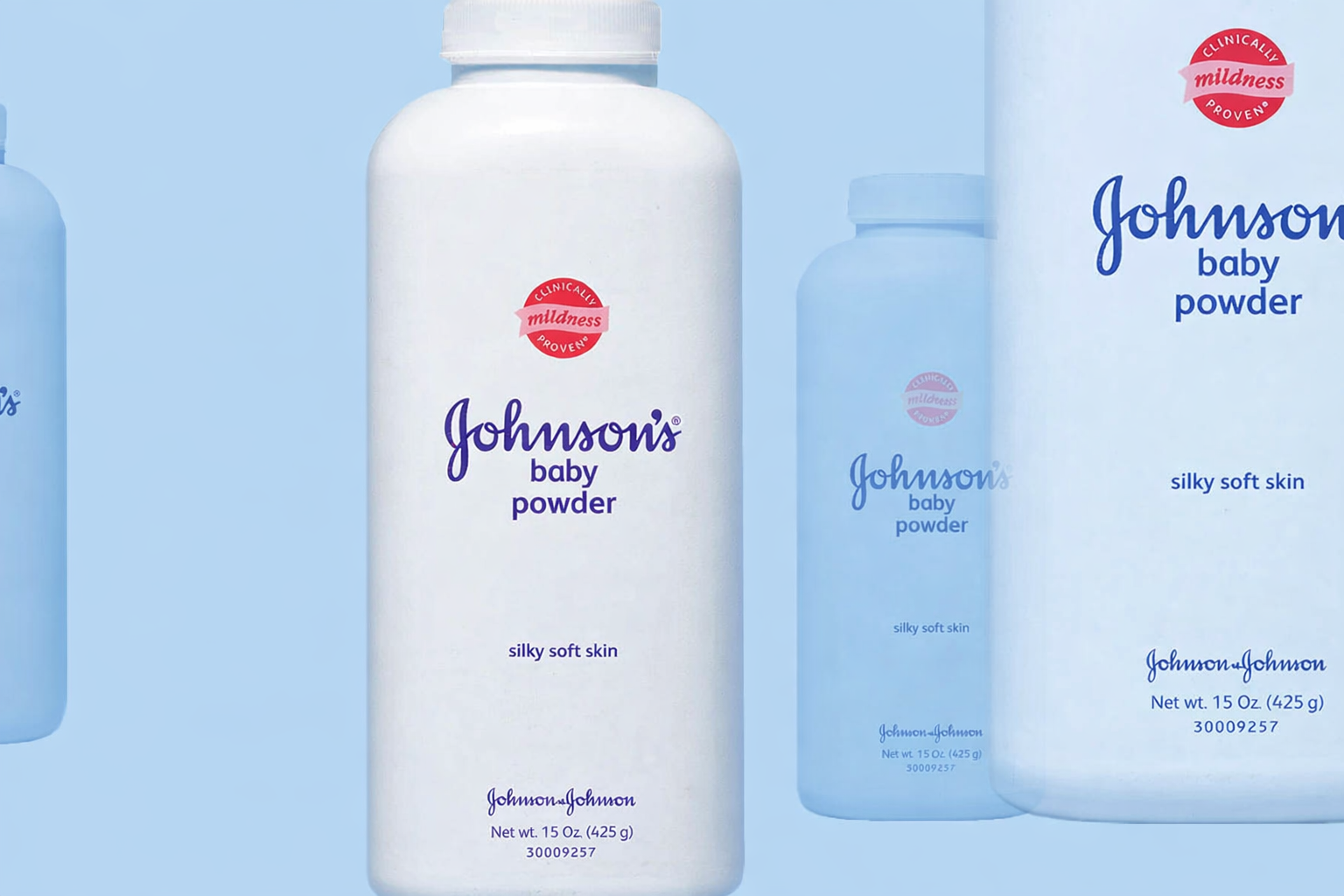
A Baltimore City jury has ordered Johnson & Johnson and related entities to pay more than $1.5 billion to a Maryland woman who alleged that long-term use of the company’s talc-based personal care products caused her to develop cancer, marking the largest single-plaintiff verdict the company has faced in decades of talc litigation.
The verdict stems from a lawsuit brought by a Maryland resident who claimed she developed peritoneal mesothelioma, a rare and aggressive cancer commonly associated with asbestos exposure, after years of using talc-based baby powder products. Jurors concluded that the products were a substantial contributing factor to her illness and that the companies involved failed to adequately warn consumers of potential risks. The total award included compensatory damages for medical harm and substantial punitive damages intended to penalize and deter corporate conduct the jury found unacceptable.
Johnson & Johnson has consistently denied that its talc products cause cancer or contain asbestos, maintaining that decades of internal testing and independent studies support their safety. The company has stated that it plans to appeal the Maryland verdict, arguing that the decision conflicts with scientific evidence and prior court rulings. Legal experts note that while large jury awards frequently draw national attention, they are often reduced or overturned during post-trial motions or on appeal, particularly when punitive damages are involved.
Despite the company’s defense, the Maryland verdict adds to mounting legal pressure from thousands of similar lawsuits filed across the United States. Plaintiffs in these cases allege that talc mined for consumer products was contaminated with asbestos, a known carcinogen, and that manufacturers either knew or should have known about the risks. Johnson & Johnson stopped selling talc-based baby powder in the United States in 2020 and transitioned away from talc globally in 2023, replacing it with cornstarch-based alternatives, though the company has repeatedly stated that the move was driven by commercial considerations rather than safety concerns.
The broader litigation landscape remains unsettled. Courts across the country have delivered mixed outcomes, with some juries siding with plaintiffs and awarding large damages, while others have ruled in favor of the company. Johnson & Johnson has attempted multiple times to resolve the litigation through large-scale settlement strategies, including efforts to channel claims into a subsidiary bankruptcy, approaches that have faced resistance from courts and claimants.
In recent months, additional jury verdicts in other states have reinforced the perception that talc litigation remains a significant legal and financial risk for the company. Legal analysts say the Maryland decision is particularly notable because of its size and because it involves a single plaintiff rather than a group action, increasing its symbolic impact even as appeals proceed.
The case also highlights the ongoing scientific and regulatory debate surrounding talc and asbestos contamination. While some studies and expert testimony presented in court have linked contaminated talc to certain cancers, other research has not established a definitive causal relationship, leaving juries to weigh competing interpretations of complex evidence.
As appeals move forward, the Maryland verdict is likely to influence settlement discussions, trial strategies, and investor scrutiny nationwide. Regardless of its final outcome, the decision underscores that talc-related litigation remains an unresolved and consequential chapter in the legal history of one of the world’s largest healthcare companies.