


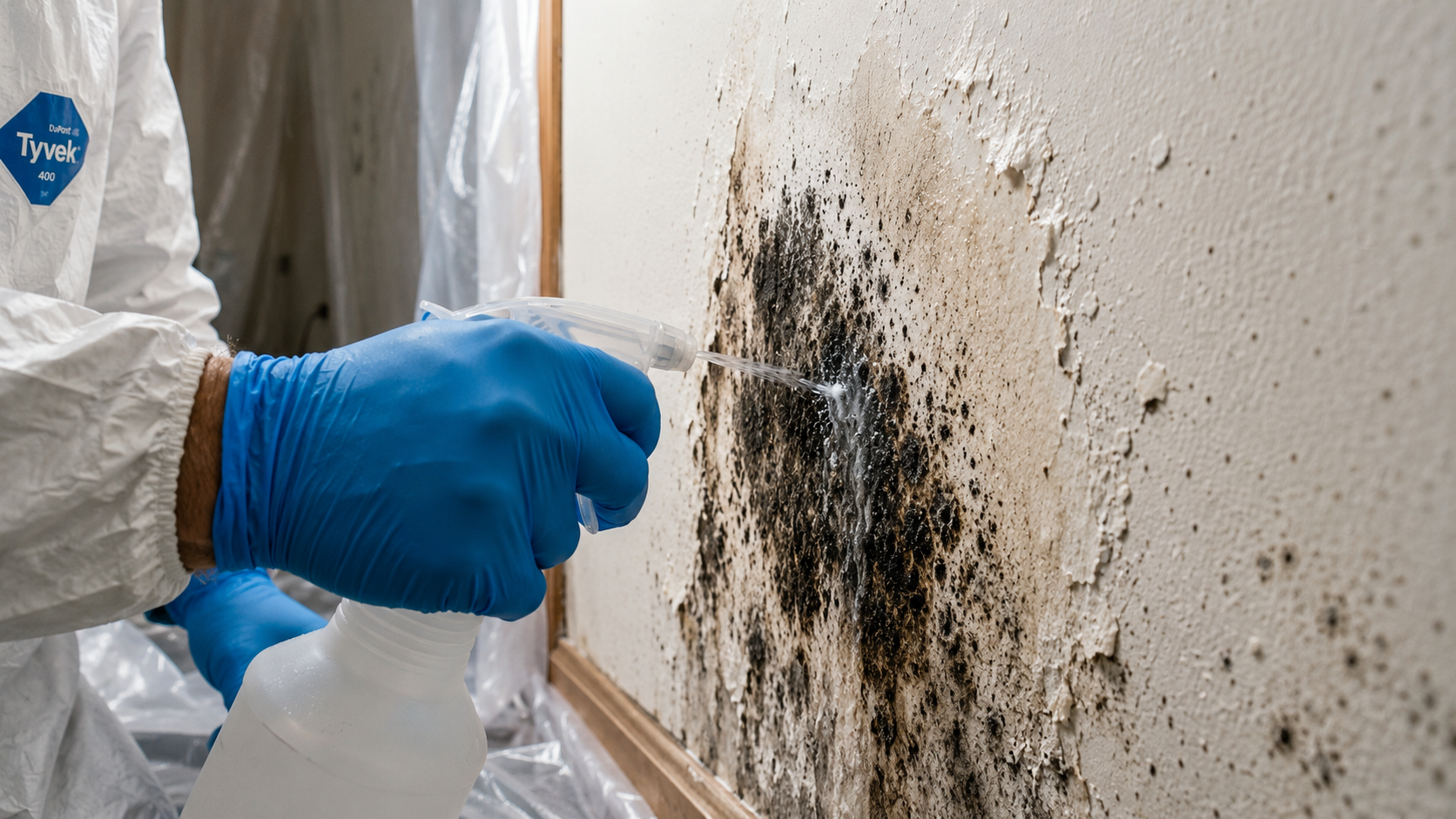
For many Southern Oregon residents, a runny nose, persistent cough, watery eyes, or overwhelming fatigue are often blamed on seasonal allergies, wildfire smoke, or another lingering cold. Yet for some households, the source of those symptoms may be much closer than they realize. Hidden behind drywall, beneath flooring, inside crawl spaces, or tucked away in attics, mold can quietly spread throughout a home while affecting both the structure of the building and the health of the people living inside it.
Mold is a naturally occurring fungus that exists almost everywhere in the environment. Outdoors, it plays an important role in breaking down organic matter. Indoors, however, mold becomes a concern when excessive moisture allows it to grow unchecked. Once moisture from a leaking roof, burst pipe, poor ventilation, flooding, or even prolonged humidity finds its way into a home, mold can begin colonizing within as little as 24 to 48 hours.
Southern Oregon’s climate creates several opportunities for mold to develop. Wet winters, aging homes, damp crawl spaces, plumbing leaks, and inadequate ventilation all contribute to conditions where mold can thrive. Homes that have experienced water damage from storms or plumbing failures may continue harboring mold long after visible signs of moisture have disappeared.
One of the most widely recognized varieties is commonly referred to as black mold. Although black mold has earned a frightening reputation over the years, health experts emphasize that any type of indoor mold has the potential to create health concerns when it is allowed to grow extensively. The color of the mold itself is far less important than the amount present and the conditions that allowed it to develop.
Many of the symptoms associated with mold exposure closely resemble seasonal allergies, making the problem difficult to recognize. Individuals living in mold-contaminated homes may experience frequent sneezing, chronic nasal congestion, watery or itchy eyes, persistent coughing, sore throats, headaches, skin irritation, or worsening asthma symptoms. Others report constant fatigue, poor sleep, difficulty concentrating, or what is often described as brain fog. While these symptoms can have many possible causes, medical professionals say one important clue is whether they improve after spending time away from home and return shortly after coming back.
For families who seem to be fighting unexplained illnesses month after month, the home itself may deserve a closer look.
Unlike mold growing on a shower curtain or bathroom grout, many household mold problems remain completely hidden. Colonies often develop behind walls, beneath carpeting, underneath vinyl flooring, inside insulation, around leaking windows, beneath kitchen sinks, within heating and cooling systems, or throughout crawl spaces and attics. In many cases, the only noticeable warning sign is a persistent musty odor that never seems to go away.
Homeowners frequently turn to inexpensive do-it-yourself mold testing kits, but experts caution that these products often create more confusion than answers. Mold spores naturally exist in nearly every indoor environment, meaning many home tests simply confirm what is already expected. They cannot reliably determine whether mold levels are unusually high or identify the underlying moisture problem that is allowing mold to grow.
Professional mold inspectors use specialized equipment designed to locate hidden moisture and contamination. Moisture meters, infrared thermal imaging cameras, humidity measurements, air sampling, surface testing, and detailed inspections of crawl spaces, attics, and wall cavities help identify both the presence of mold and the source of the moisture fueling its growth. Finding the moisture source is essential because removing visible mold without correcting the underlying water problem almost always results in mold returning.
Cleaning mold improperly can also make matters worse. Scrubbing or disturbing contaminated materials may release thousands of microscopic spores into the air, allowing mold to spread throughout the home. Large infestations often require containment barriers, HEPA air filtration, protective equipment, and the removal of contaminated drywall, insulation, carpeting, or other porous building materials before the affected areas can be safely restored.
Medical experts also stress that while mold exposure can aggravate asthma, allergies, and other respiratory illnesses, there is no single medical test that confirms mold is responsible for a person’s symptoms. Physicians generally evaluate a patient’s medical history, physical examination, allergy testing, lung function, and environmental exposures before determining whether indoor mold may be contributing to ongoing health concerns.
The most effective defense against mold is prevention. Repairing leaks quickly, maintaining roofs and plumbing, properly ventilating bathrooms and kitchens, keeping indoor humidity below 50 percent, and drying water-damaged materials immediately can significantly reduce the risk of mold growth. Routine inspections of crawl spaces, basements, attics, and areas around windows and foundations can also help homeowners catch problems before they become expensive repairs.
As Southern Oregon continues to experience wet winters, aging infrastructure, and changing weather patterns, mold remains an often-overlooked issue hiding inside homes across the region. For families struggling with unexplained allergy symptoms, persistent fatigue, or recurring respiratory problems, the answers may not always be found in a medicine cabinet. Sometimes, they may be hidden behind the very walls they call home.