


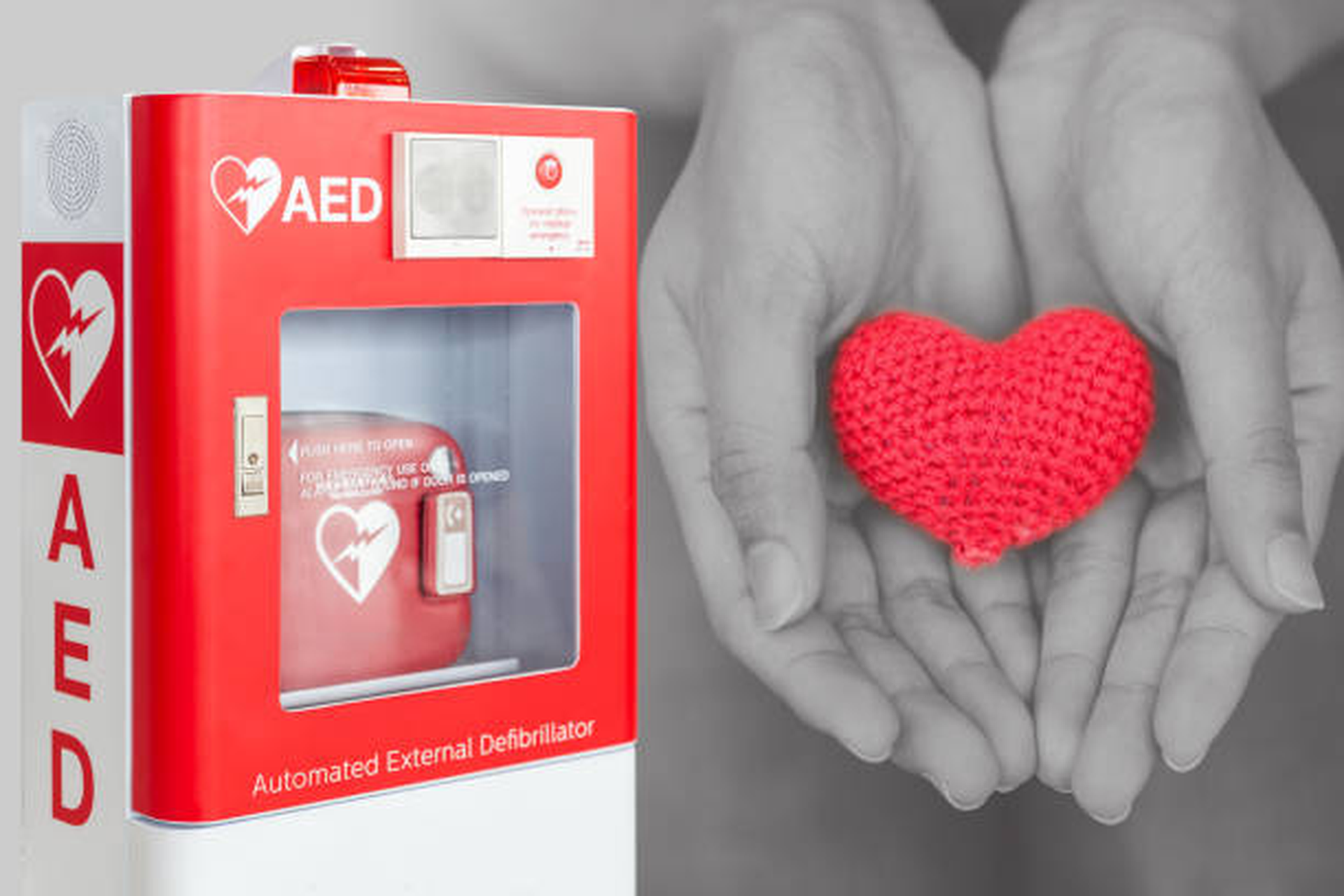
A targeted push to improve emergency survival rates is unfolding in southern Oregon, where a regional ambulance provider is working to place lifesaving equipment directly into the hands of the public. The initiative centers on increasing access to automated external defibrillators, commonly known as AEDs, across Josephine County; an area where geography and response times can create critical gaps during medical emergencies.
American Medical Response, a national emergency medical services provider, has announced plans to distribute six AED units to local organizations in Josephine County as part of a broader effort to strengthen early intervention during cardiac emergencies. The devices are designed for use by the general public and can deliver an electric shock to restore a normal heart rhythm during sudden cardiac arrest, a condition that remains one of the leading causes of death nationwide.
Medical research consistently shows that timing plays a decisive role in survival. When an AED is used within the first few minutes of a cardiac event, the chances of survival increase significantly. In many communities, however, that narrow window often closes before paramedics can arrive, particularly in rural or spread-out regions like much of southern Oregon. The program aims to bridge that gap by positioning AEDs in places where people gather, work, and travel.
Rather than distributing the devices randomly, the initiative is structured around an application process intended to identify areas of greatest need. Local nonprofits, public agencies, and community-based organizations are invited to apply, with selections based on factors such as whether a site already has an AED, how many people frequent the location, and whether the organization has the resources to obtain one independently. The goal is to ensure that each unit is placed where it can have the greatest impact.
The rollout is scheduled to take place in mid-May, following a review of applications submitted by late April. While the number of devices being distributed in this round is limited, the effort reflects a growing national emphasis on community-based emergency preparedness. Across the United States, similar programs have expanded in recent years as public health officials push to make AEDs as common and accessible as fire extinguishers.
In Josephine County, the initiative also includes a partnership with the local public health department, which plans to supplement the AED placements with Stop the Bleed kits. These kits are designed to help bystanders control severe bleeding in trauma situations, further broadening the range of emergencies that community members can respond to before professional help arrives. Together, the equipment represents a dual approach to two of the most time-sensitive medical crises: cardiac arrest and traumatic injury.
The effort highlights a broader shift in how emergency response is being viewed, moving beyond a model that relies solely on professional responders and toward one that empowers everyday citizens. Training and awareness remain key components of that shift, as AEDs are designed to be used safely by individuals with little or no medical background. Clear instructions and automated prompts guide users through each step, making rapid intervention more achievable even under stress.
For communities like those in Josephine County, where response times can vary depending on distance and terrain, the presence of an AED nearby can dramatically alter outcomes. Public health advocates have long argued that widespread placement of these devices is one of the most effective ways to reduce preventable deaths from cardiac arrest.
As applications are reviewed and devices are prepared for distribution, the initiative underscores a simple but urgent reality: in many emergencies, the first person on the scene is not a paramedic, but a bystander. Expanding access to the right tools in those first critical moments may ultimately prove to be the difference between life and death.