


State leaders and health care officials presented a detailed account this week of how new federal budget requirements will alter access to health care and food assistance in Oregon. Testimony before the Senate Interim Committee on Health Care, chaired by Senator Deb Patterson, outlined how federal mandates will create additional layers of bureaucracy, leaving rural communities particularly vulnerable.
According to agency representatives, the federal budget law imposes work and activity requirements on many applicants for health and nutrition assistance programs. These provisions will force states, including Oregon, to verify compliance more frequently and across multiple programs, despite inconsistent standards for what qualifies as work or community activity. Officials explained that this design increases complexity and cost while making access more difficult for people in areas where jobs are scarce or unemployment is high.
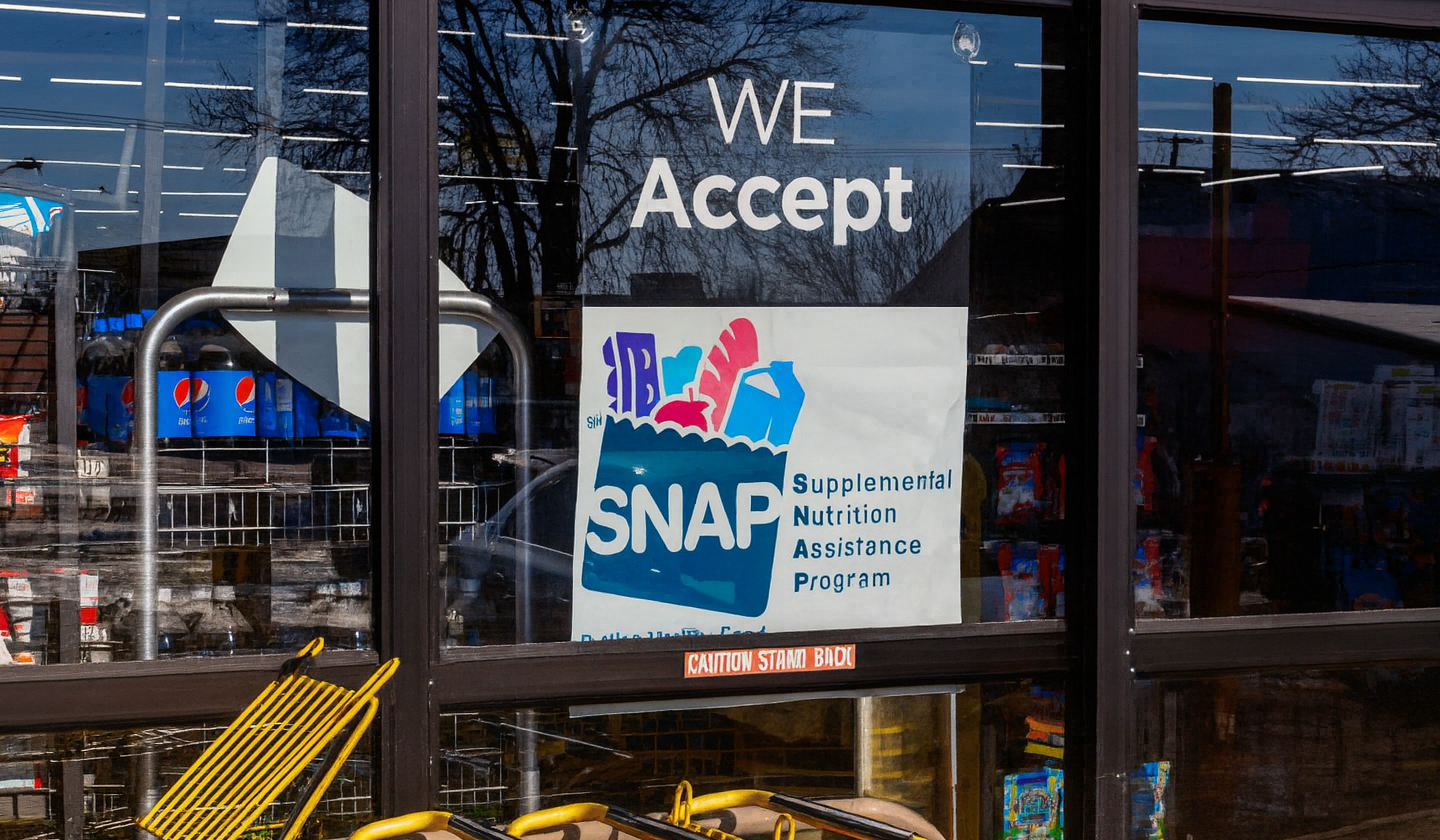
The Department of Human Services and the Oregon Health Authority emphasized the consequences for rural and frontier counties, where reliance on assistance is disproportionately high. Data presented to the committee showed that in at least eight of these counties, one in five residents currently depends on the Supplemental Nutrition Assistance Program (SNAP). Officials warned that residents in such areas will encounter more barriers to maintaining eligibility under the new rules.
Separate reductions to subsidies for private health insurance are expected to intensify the impact in rural Oregon. Projections indicated that seniors in isolated parts of the state could face premium increases of as much as $2,700 per month. These changes, officials noted, would be most acutely felt in counties with limited access to affordable health care providers and where travel distances already present obstacles to care.
In addition to increased costs for residents, the state itself will assume new administrative burdens. Oregon has long invested in simplifying benefit applications to streamline enrollment in programs such as Medicaid and SNAP. Under the federal law, however, Oregon must now commit additional resources to implement verification and compliance checks that are repetitive and, according to testimony, not aligned with state priorities of efficiency and accessibility.
During the hearing, state senators highlighted how the fiscal trade-offs of the federal budget affect different populations. Citing data from the Congressional Budget Office, members of the committee noted that the same legislation that reduces access to assistance for low-income households includes tax cuts that primarily benefit higher-income earners.
Amid these concerns, the committee sought to identify areas of resilience within Oregon’s health and human services system. Leaders from the Oregon Health Authority emphasized the importance of maintaining a person-centered approach to program administration. Medicaid Director Emma Sandoe explained that the agency continues to prioritize the experience of individuals navigating complex systems, recognizing that many clients face significant challenges even without added bureaucratic demands.
The testimony underscored the broader implications of federal budget decisions for state-level governance. Oregon now faces the dual challenge of managing increased costs for both households and the state budget, while also attempting to preserve access to critical services in communities already at risk of health care and food insecurity.
Legislators and agency leaders indicated that while Oregon cannot change federal law, the state will continue to evaluate ways to mitigate its impact. This may include adjustments to outreach strategies, improved coordination between agencies, and the use of state resources to limit disruptions in access to care and nutrition assistance.
The session closed with acknowledgment that the coming months will test the state’s capacity to adapt. Rural Oregonians, older adults, and those with low incomes are expected to be most affected by the new requirements and the reduction of federal support. The committee emphasized the importance of ongoing monitoring and reporting to ensure the effects are clearly documented and addressed where possible.