


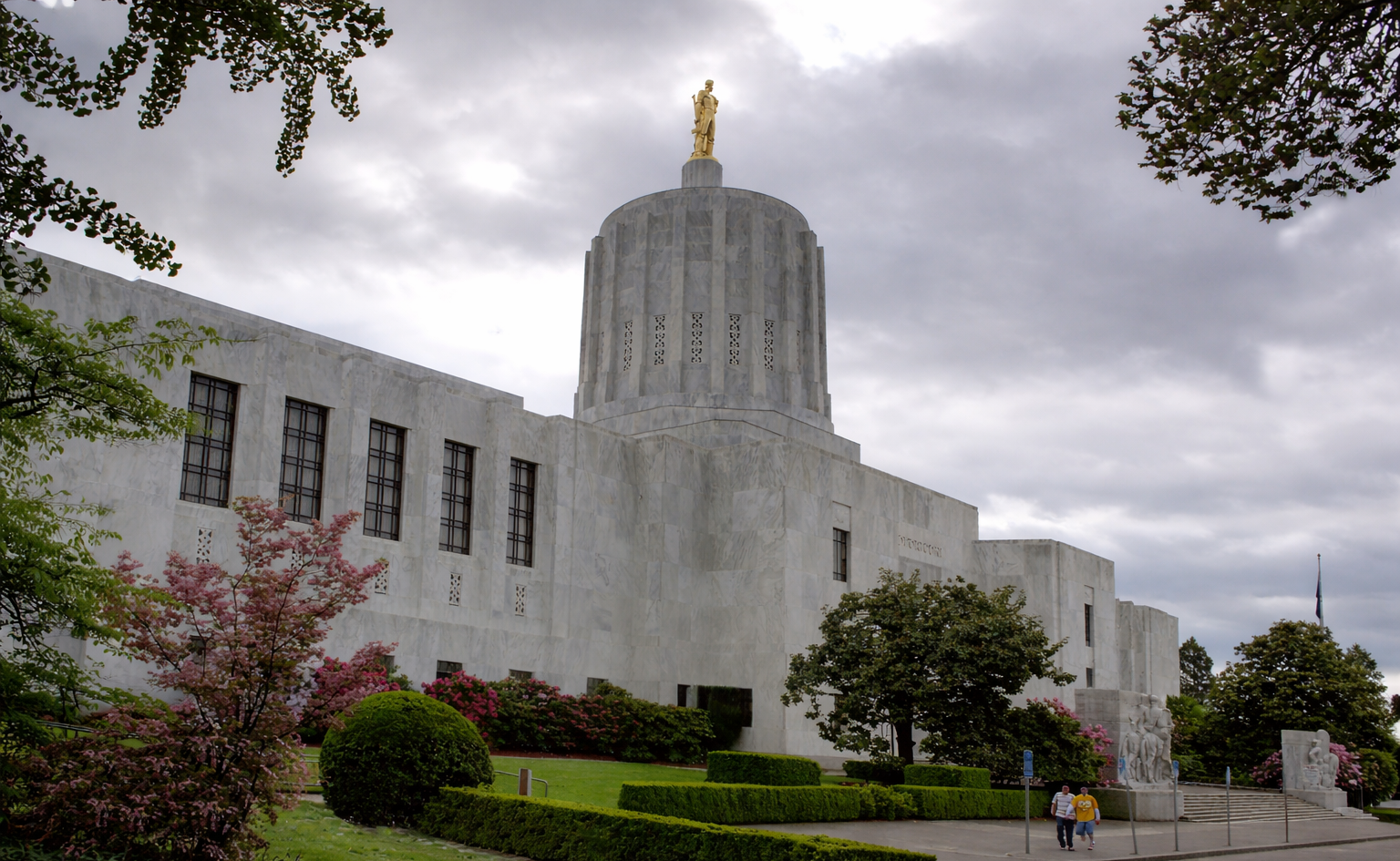
For thousands of Oregonians, the first paycheck issued after July 1 may look different, even though their hourly wage or salary has not changed. A scheduled update to Oregon’s wage garnishment laws will allow many workers subject to debt collection orders to retain a larger share of their disposable earnings, reflecting another phase of legislation approved by the Oregon Legislature in 2024.
The change stems from Senate Bill 1595, a broad debt collection reform measure enacted two years ago that established a series of gradual increases to the amount of wages protected from garnishment. While the legislation itself is not new, July 1 marks the next major milestone in its implementation, bringing expanded financial protections for workers whose earnings are subject to most civil debt collections.
Beginning with wages payable on or after July 1, Oregon law will require that employees retain the greater of 75 percent of their disposable earnings or $400 each week before most creditors may collect through wage garnishment. Disposable earnings refer to income remaining after mandatory deductions such as federal and state income taxes, Social Security, Medicare, and other legally required withholdings have been taken from a paycheck.
The new $400 weekly threshold replaces the previous protected amount of $338 per week, increasing the minimum portion of earnings that cannot be garnished for qualifying debts. Equivalent increases also apply to employees paid on biweekly, semimonthly, or monthly schedules, creating a consistent statewide standard regardless of payroll frequency.
For many working households, particularly those employed in lower-paying occupations or part-time positions, the adjustment may reduce the amount withheld from each paycheck when a garnishment is in place. The revised formula is designed to preserve a larger share of income for essential living expenses while still allowing lawful debt collection to continue within the limits established by Oregon law.
The updated protections generally apply to consumer debts that have resulted in civil judgments, including unpaid credit card balances, medical debt, personal loans, and other qualifying financial obligations. Separate federal and state laws continue to govern garnishments involving child support, spousal support, certain tax liabilities, and criminal restitution, meaning those collections are not affected by the July 1 change.
The increase arrives during a period when many Oregon households continue to face elevated housing costs, higher insurance premiums, and persistent increases in the price of groceries, utilities, transportation, and other necessities. Although the law does not erase existing debt or eliminate court-ordered garnishments, it changes the calculation used to determine how much income remains protected before creditors may collect.
For residents throughout Southern Oregon, including Josephine, Jackson, Douglas, Klamath, Curry, and Coos counties, the revised limits may carry added significance. Many communities across the region have experienced slower wage growth than larger metropolitan areas while continuing to confront many of the same increases in everyday living expenses. Workers balancing debt repayment alongside rising household costs could see modest but meaningful improvements in weekly cash flow once the updated exemption takes effect.
Employers and payroll administrators across Oregon will also be required to apply the revised calculations when processing qualifying wage garnishments. Businesses that receive garnishment orders must follow the updated state requirements beginning with wages payable on or after July 1, ensuring that employees retain the newly protected portion of their earnings before funds are remitted to creditors.
Senate Bill 1595 was structured to phase in several debt collection reforms over multiple years rather than taking effect all at once. Earlier provisions became effective during 2025, while this year’s adjustment represents another scheduled step in that process. Additional changes are already planned for July 2027, when Oregon will move away from fixed dollar exemption amounts and instead tie protected earnings to the state’s minimum wage. That approach is intended to allow the exemption to adjust automatically as minimum wage rates change over time rather than requiring future legislative action for routine increases.
Although the July 1 implementation does not create a new law, it introduces one of the most visible portions of an existing statute into everyday financial life. For Oregon workers whose wages are currently subject to garnishment, the revised exemption represents an increase in the amount of earned income that remains available for rent, mortgage payments, groceries, transportation, utilities, and other essential household expenses. As the updated formula takes effect statewide, both employees and employers will begin operating under a new standard that reflects Oregon’s continuing effort to balance lawful debt collection with greater protection for workers’ paychecks.
