


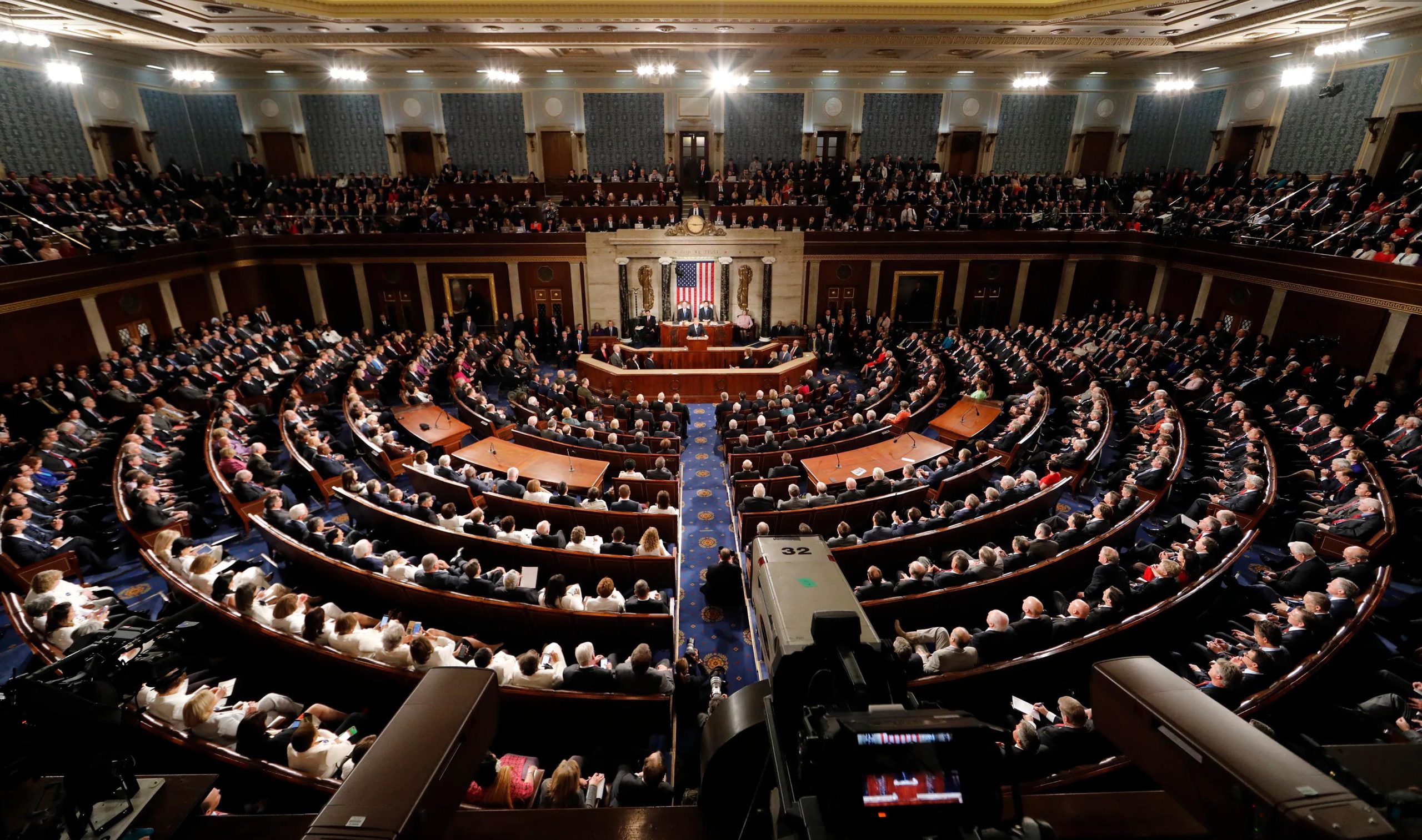
As the federal government shutdown drags into its third week, the U.S. Senate is preparing to take a significant step aimed at partially reopening the government. Lawmakers are expected to vote Thursday on advancing a year-long appropriations bill to fund the Department of Defense, signaling a shift in strategy among Republican leaders to restart portions of government operations piece by piece.
The proposed legislation focuses exclusively on funding the Pentagon for the remainder of the fiscal year. By separating defense spending from broader budget negotiations, Senate leaders hope to build momentum for a more incremental path to restoring government services. This approach reflects growing pressure on lawmakers from multiple sectors, including defense contractors, military families, and national security officials, who have warned of mounting disruptions caused by the prolonged funding lapse.
The shutdown, now entering its third week, has already forced thousands of civilian federal employees to go without pay, delayed key operations, and strained government services nationwide. In the defense sector, the impact is particularly acute. While active-duty military personnel continue to work, many support staff have been furloughed, training schedules disrupted, and contract approvals delayed. These interruptions raise concerns about readiness, ongoing operations, and long-term planning for major defense programs.
Senate Republicans are framing the Pentagon funding bill as a practical step to address urgent national security needs while broader negotiations over the federal budget continue. By advancing a single appropriations measure, they aim to sidestep the current political stalemate and at least partially reduce the shutdown’s impact. This strategy diverges from earlier efforts to pass an all-encompassing budget package, which stalled amid disagreements between the parties over spending priorities and policy riders.
Democratic leaders have expressed cautious interest in considering stand-alone funding bills, depending on their scope and the overall negotiation process. Some argue that reopening government in stages could reduce leverage to reach a comprehensive deal, while others see targeted measures as a way to provide immediate relief in critical areas such as defense, veterans’ services, and disaster relief.
The Pentagon appropriations bill is expected to draw bipartisan support, though the outcome of the vote will depend on whether it can clear procedural hurdles in the closely divided Senate. If advanced, the legislation would still need to pass the House of Representatives and receive the president’s signature to become law. House leaders have signaled interest in selective funding measures, but the details of their cooperation remain uncertain.
As the shutdown stretches on, the economic and operational ripple effects continue to grow. Federal workers face missed paychecks, government contractors confront stalled projects, and communities reliant on federal programs see increasing strain. The Pentagon funding vote represents one of the most concrete steps taken by Congress so far to break the deadlock, though it does not address the full scope of the shutdown.
If approved, the measure could serve as a model for additional targeted bills in the coming weeks. For now, it underscores a tactical shift on Capitol Hill: rather than waiting for a comprehensive budget breakthrough, lawmakers are testing whether a piecemeal approach can move the needle toward reopening parts of the government while larger debates remain unresolved.