


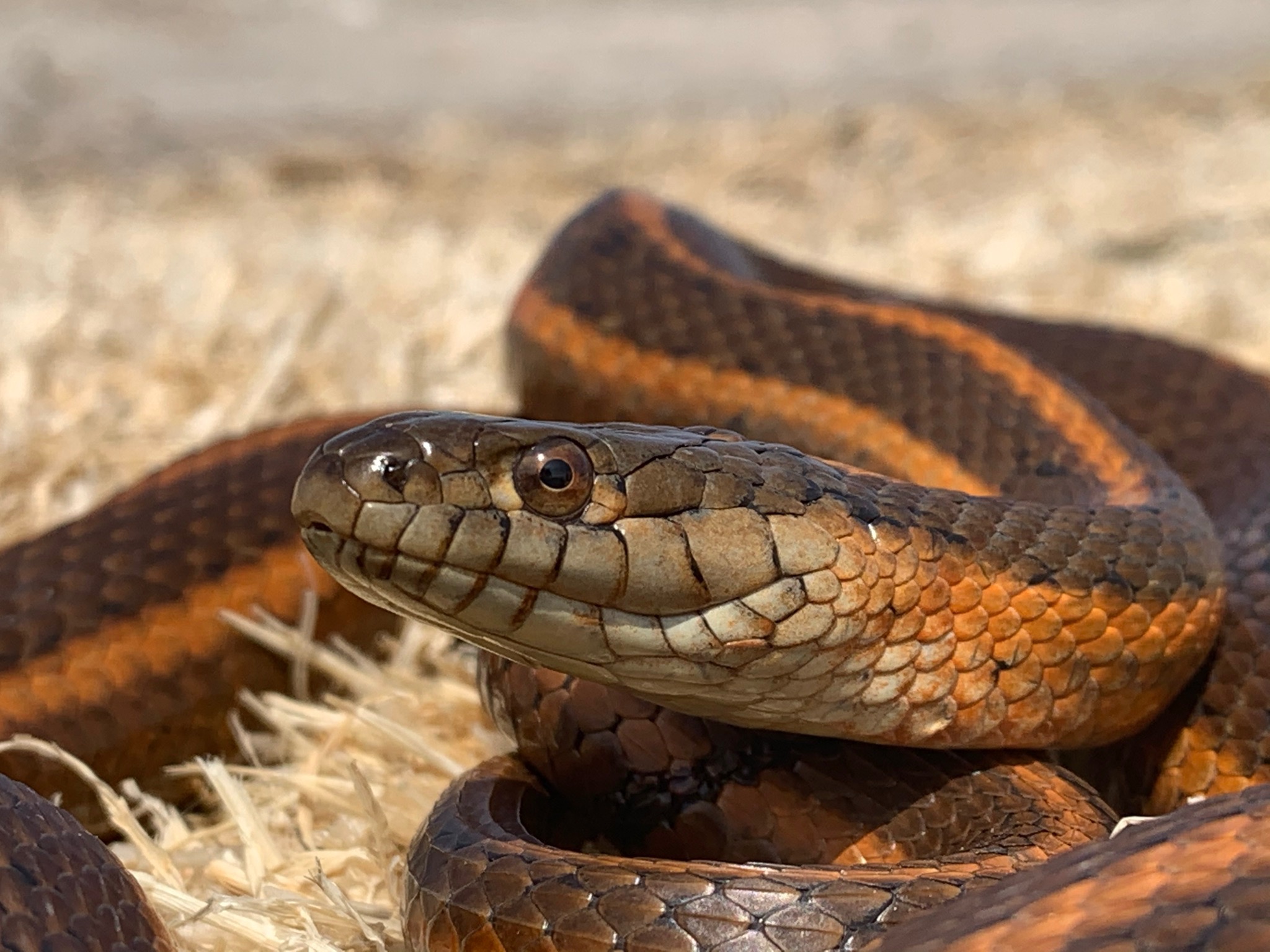
I was working in the yard last week when I uncovered a small garden snake sliding through. It startled me at first, but after a second look I realized it was harmless. The moment did get me thinking though. Back when I lived in other states, I had stumbled across far less friendly snakes—some venomous, some downright dangerous. Now that I’ve made Southern Oregon home, I realized I wasn’t entirely sure which types of snakes actually live here and what I should be aware of. That curiosity sent me down a rabbit hole of research, and the results are worth sharing with anyone who spends time outdoors in this part of the state.
The first thing to know is that not all snakes are created equal. The most common ones you’ll see here are garter snakes. They’re small, quick, and usually striped, and they pose no threat to people or pets. In fact, they’re actually quite useful in gardens since they feed on slugs, insects, and other critters that most of us would rather not have chewing through our plants. Running into one of these shouldn’t cause alarm—it’s simply part of the neighborhood.
The real concern for residents is the western rattlesnake, more specifically the Great Basin rattlesnake that inhabits this region. Unlike the garden snake, a rattlesnake encounter can turn serious. These snakes are usually found in drier, rocky areas or among tall grass where they can hide, but they do occasionally venture closer to homes. They aren’t naturally aggressive and generally prefer to be left alone. The familiar buzzing rattle at the end of their tail serves as a clear warning sign. If you hear it, the smartest thing you can do is stop, stay calm, and slowly back away.
For gardeners, hikers, and pet owners, a little bit of prevention goes a long way. Wearing gloves and boots when working outdoors, especially in areas with brush, piles of wood, or tall grass, can prevent accidental bites. Keeping your yard tidy by trimming vegetation and clearing debris makes it less appealing for snakes looking for cover. If you hike with dogs, keeping them leashed in open areas reduces the risk of them charging into tall grass where a rattlesnake might be resting. Cats, too, are often curious enough to get themselves into trouble if they encounter one.
If a rattlesnake does show up too close for comfort, the best option is to give it space to leave on its own. Trying to kill or catch a snake is not only dangerous but also unnecessary, as most bites happen when people attempt to handle them. In cases where removal is absolutely needed, calling wildlife control or a licensed snake handler is the safest bet.
In the rare event of a bite, quick action is vital. For humans, staying calm, immobilizing the affected limb, and seeking medical attention right away gives doctors the best chance to administer antivenom effectively. For pets, rushing them to a veterinarian without delay can mean the difference between life and death.
Southern Oregon’s snakes are simply part of the landscape, playing their role in keeping ecosystems balanced. Knowing which ones are harmless and which ones require caution makes all the difference. With a little awareness and preparation, we can work in our gardens, hike the trails, and let our pets roam safely—while respecting the reptiles that have lived here far longer than we have.