


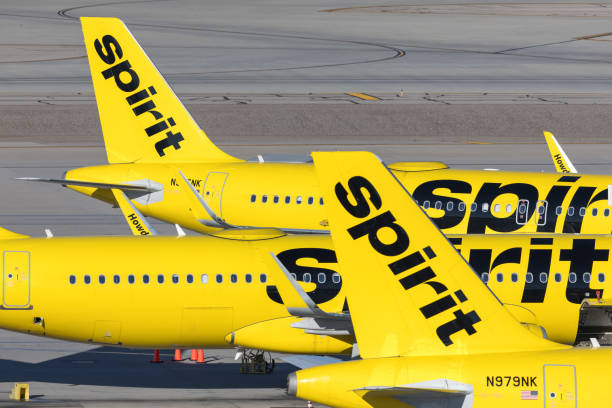
Spirit Airlines is preparing to furlough nearly 1,800 flight attendants before the end of the year, a move that underscores the depth of the challenges facing the low-cost carrier as it navigates bankruptcy. The decision, tied directly to the company’s filing for Chapter 11 protection earlier this year, reflects an effort to reduce expenses and align staffing with what the airline anticipates will be a decline in demand for flights during the coming months.
The airline, known for its budget fares and no-frills service, has long operated on razor-thin margins. But rising fuel costs, intense competition, and shifting travel patterns have put immense pressure on Spirit’s financial stability. Industry analysts point to a broader trend within the airline sector, where carriers that depend heavily on leisure travelers and ultra-low-cost business models have struggled to keep pace with changing consumer expectations and volatile market conditions.
Spirit’s workforce reduction represents one of the largest single cuts among U.S. airlines in recent years. The company said the furloughs are necessary to ensure that flight scheduling matches staffing levels, a common strategy for airlines looking to preserve cash during times of financial strain. For the affected employees, however, the news delivers a sharp blow at a time when inflation and economic uncertainty are already weighing heavily on household budgets.
The announcement also highlights the vulnerability of front-line airline workers, who often face the direct consequences of shifts in corporate strategy and financial distress. Cabin crew members are essential not only for in-flight service but also for passenger safety, and large-scale furloughs raise concerns about morale and the long-term ability to retain trained staff once operations stabilize.
Spirit’s bankruptcy filing earlier this year signaled that the company was seeking to restructure its debt while continuing operations. Unlike liquidation, Chapter 11 allows a business to keep running while it negotiates with creditors, but it typically requires significant cost-cutting measures. Reducing labor expenses is often one of the most immediate levers available to airline executives under such circumstances.
The broader industry context offers a mixed picture. While major carriers like Delta, United, and American have reported relatively stable earnings and robust demand for international and business travel, low-cost airlines have been disproportionately affected by softer domestic leisure travel demand and rising operational costs. Spirit, in particular, has faced challenges competing with larger carriers that have expanded their low-fare offerings while maintaining more diverse revenue streams.
For travelers, the near-term impact may include fewer route options and potential schedule adjustments as the airline scales back. While Spirit has indicated that it plans to continue operating flights throughout the bankruptcy process, the reduction in staff suggests that capacity will shrink in tandem. This could ripple into certain markets where Spirit is a key competitor, potentially driving up fares as supply contracts.
Looking ahead, the company’s ability to emerge from bankruptcy will depend heavily on whether it can successfully renegotiate its debt obligations and adapt its business model to a shifting travel landscape. For employees, the uncertainty remains significant. While furloughs differ from permanent layoffs—leaving open the possibility of rehiring should conditions improve—the timing and scale of Spirit’s cuts reflect the difficult road ahead for both the airline and its workforce.
As the end of the year approaches, the story of Spirit Airlines is becoming a test case for the resilience of low-cost carriers in an industry still recovering from the shocks of the pandemic and now struggling with new financial realities. The outcome will not only shape the future of Spirit but may also influence how other airlines approach cost control, labor relations, and market competition in the years to come.