


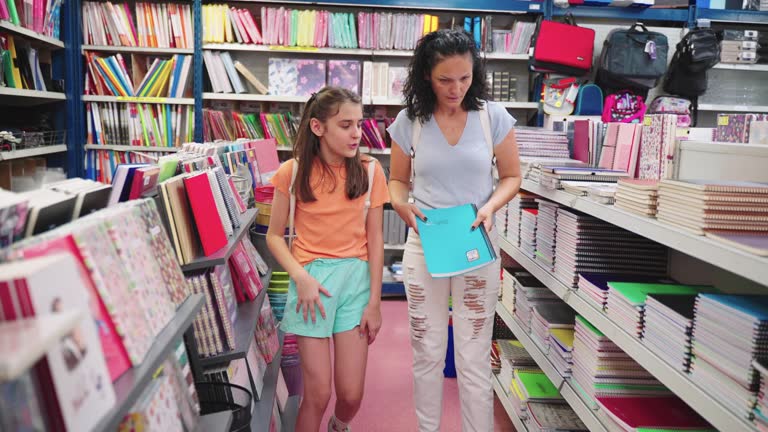
For many Southern Oregon families, the end of summer brings not just the excitement of a new school year but also the stress of fitting back-to-school shopping into already stretched budgets. Between classroom supply lists, new shoes, and clothes that children have outgrown since June, the expenses can mount quickly. With electricity, gas, and grocery costs already pushing households to their limits, finding ways to save on school essentials has become more important than ever.
The first and most effective strategy is to start early and plan ahead. While the school year may feel weeks away, retailers like Walmart and Amazon have already rolled out seasonal discounts, and waiting until the last minute often means higher prices and fewer choices. Shopping early allows families to compare prices, avoid impulse purchases, and spread out spending over several weeks instead of one painful hit to the bank account. This is particularly valuable for families juggling rising monthly bills, as smaller purchases feel less overwhelming than one large shopping trip.
Clothing is often the most expensive part of back-to-school preparation, but there are ways to keep it manageable. National retailers such as Walmart are known for value-priced basics, while Amazon offers competitive pricing on everything from jeans to backpacks, often with free shipping if purchased with Prime. By focusing on staple items—such as plain shirts, sturdy pants, and versatile shoes—parents can avoid spending money on trendy pieces that may fall out of favor quickly or wear out before the year ends. Shopping clearance sections, especially online where the selection is broader, can also help stretch each dollar further.
For families with multiple children, bulk buying becomes an effective tool. Many school supplies like pencils, notebooks, and binders come in multipacks that can be split between kids, saving money over buying items individually. Amazon in particular offers “subscribe and save” options that can lower prices on items children will need throughout the year, such as pens, paper, and printer ink. While this may feel like a small saving at first, the cumulative effect over months adds up.
Another overlooked tactic is reusing and recycling from previous years. Notebooks with unused pages, backpacks in good condition, and lunchboxes that are still functional do not need replacing. In the current economic climate, there is no shame in handing down clothing between siblings or passing along supplies to friends or neighbors. Many Southern Oregon schools also hold supply swap events, where families can exchange gently used items at no cost. Attending one of these community events can cut supply costs in half while also fostering a sense of shared support.
Timing purchases around seasonal sales remains crucial. The end of July and the first week of August traditionally feature price cuts on both clothes and supplies, but online retailers frequently extend deals beyond those dates. Monitoring daily flash sales and using price-tracking tools ensures families never pay more than they need to.
Ultimately, saving money on back-to-school shopping is less about one big trick and more about layering strategies. Shopping early, buying in bulk, reusing what is available, and resisting last-minute splurges together create meaningful savings. For Southern Oregon families already navigating higher costs of living, these practical steps can make the difference between financial strain and a smooth start to the school year.