


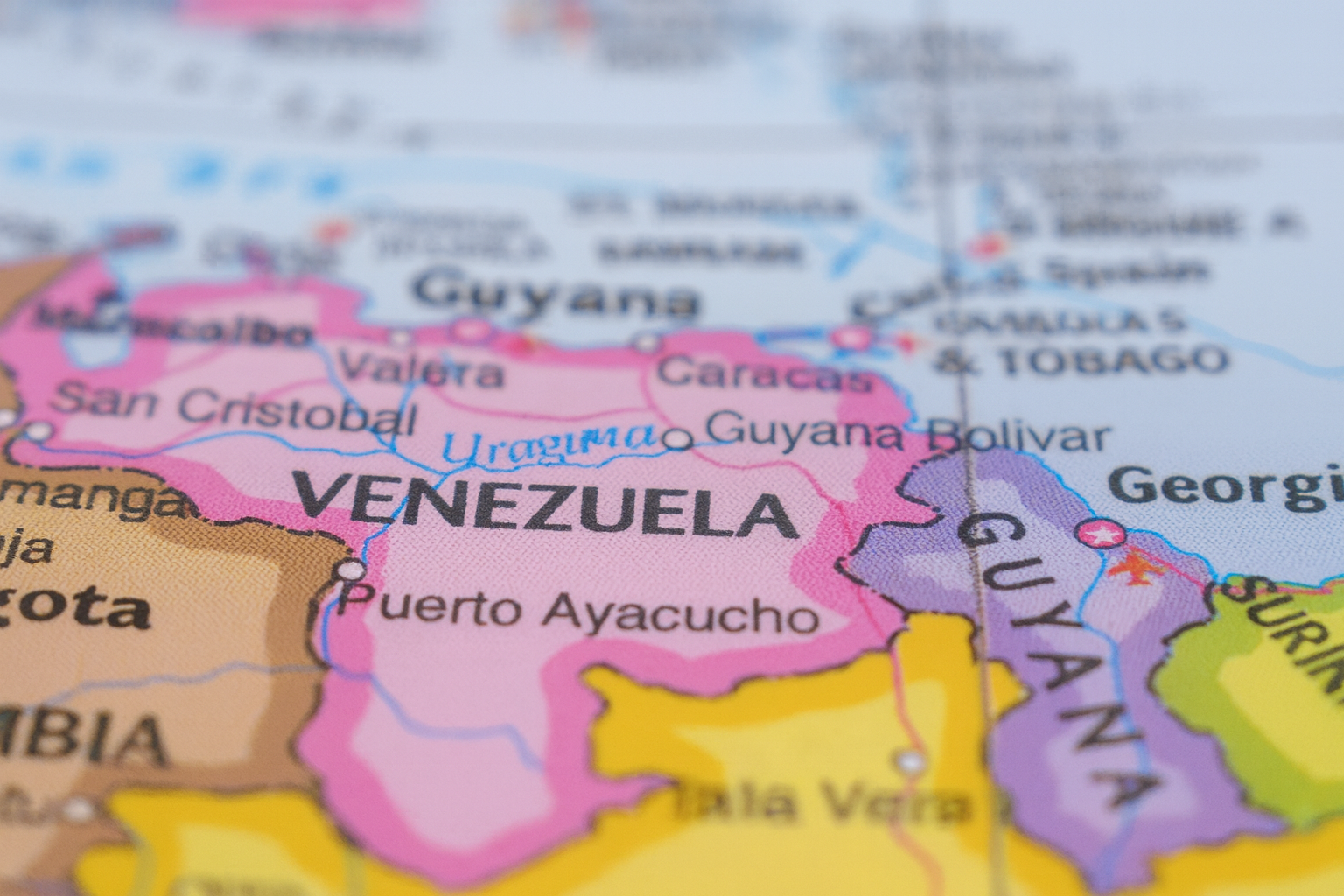
President Donald Trump’s announcement on October 15 that the United States may soon launch on-land military strikes against Venezuela has intensified international concern and raised serious questions about the direction of U.S. foreign policy in South America. The statement comes in the wake of six confirmed U.S. naval strikes on vessels near Venezuelan waters over the past six weeks—operations that have reportedly left more than two dozen people dead and prompted the Venezuelan government to seek intervention from the United Nations Security Council.
The attacks, described by U.S. officials as part of a broader campaign against narcotics trafficking, mark one of the most aggressive American military actions in the Caribbean in recent years. Since early September, U.S. naval forces have targeted what they claim to be drug-smuggling vessels linked to criminal and terrorist networks operating out of Venezuela. In the latest strike, two survivors were reportedly detained aboard a U.S. Navy vessel, signaling a potential shift from isolated maritime operations to broader, more sustained military engagement.
Venezuela’s government has condemned the operations as illegal acts of aggression, calling them violations of national sovereignty and maritime law. The administration of President Nicolás Maduro has formally petitioned the United Nations to declare the U.S. strikes unlawful and to demand accountability for what it describes as “extrajudicial killings” of Venezuelan citizens. Regional leaders and international human-rights groups have also expressed alarm, warning that continued escalation could destabilize the entire Caribbean region and ignite a wider conflict.
Analysts remain divided on what has triggered this sudden shift in U.S. posture toward Venezuela. Some point to renewed efforts by Washington to combat drug-trafficking networks believed to be using Venezuelan ports as transit hubs for narcotics bound for North America. Others suggest the strikes reflect broader political motivations aimed at pressuring the Maduro regime economically and militarily. The presence of U.S. intelligence operatives in the region, confirmed this week by Trump himself, appears to support the theory that Washington has expanded its objectives beyond simple drug interdiction.
Foreign policy observers have also noted that the timing of the escalation coincides with a period of heightened political tension in the United States. With a presidential election approaching, Trump’s strong rhetoric and military posturing may be designed to demonstrate decisive leadership on national security and international drug enforcement. However, the absence of clear evidence linking the targeted vessels to narcotics operations has led some legal experts to question the legitimacy of the U.S. actions under both domestic and international law.
In response to the growing controversy, the Venezuelan government has accused the United States of using the “war on drugs” as a pretext for regime change. While no formal declaration of war has been made, the repeated use of force in or near Venezuelan waters raises complex questions about the scope of presidential authority, the role of Congress in authorizing military action, and the applicability of international humanitarian law to non-state combatants operating in maritime zones.
Within Washington, some members of Congress are reportedly seeking clarification on the administration’s legal justification for the strikes and its long-term strategic goals in Venezuela. Defense analysts caution that expanding operations to land targets would represent a significant escalation, potentially drawing the United States into another prolonged conflict in Latin America—a region already wary of U.S. interventionism.
For Venezuelans, the human toll continues to grow as families mourn the victims of the recent naval attacks and brace for what could become a broader confrontation. The combination of military pressure, covert operations, and intensifying political rhetoric has created a volatile atmosphere with no clear diplomatic exit.
As the situation evolves, the international community is watching closely to determine whether the United States will proceed with ground operations or step back under global pressure. For now, the region remains on edge, uncertain whether the latest display of American power is a tactical maneuver in the war on drugs or the early stages of a deeper geopolitical conflict that could reshape U.S.–Latin American relations for years to come.